
Prescribing Patterns and Real-World Clinical Usage of Adjuvant Abemaciclib for Early-Stage, High-Risk, Estrogen Receptor-Positive Breast Cancer
JCO Oncol Adv. 2026 Jan;3(1):e2500076.
PURPOSE
Based
on improved invasive disease-free survival in the monarchE trial, the US Food and Drug Administration (FDA) approved abemaciclib for adjuvant treatment of high-risk, estrogen receptor-positive (ER+), human epidermal growth factor receptor 2 (HER2)–negative breast cancer (BC) in combination with endocrine therapy. This study examines real-world prescribing patterns and clinical experiences with adjuvant abemaciclib at an academic cancer center in the United States.
METHODS
This is a retrospective single-institution cohort study that included patients diagnosed between January 2021 and August 2023 with lymph node-positive, stage II-III ER+/HER2– BC at the University of Pittsburgh Medical Center who would have met eligibility criteria for the monarchE trial. We assessed tumor, provider, and patient factors associated with abemaciclib prescribing using multivariable logistic regression.
RESULTS
Four hundred sixty-eight patients met monarchE eligibility criteria: 271 (58%) were eligible for abemaciclib under the 2021 FDA approval indications, 324 (69%) met monarchE cohort 1, and 144 (31%) met cohort 2 eligibility criteria only. In the entire cohort, 162 (35%) received a prescription, which was higher in patients meeting FDA approval indications (44%) and lower in those meeting only cohort 2 eligibility (20%). Prescribing increased from 28% in 2021 to 42% in 2022 (P = .0097). Younger age at diagnosis, higher nodal burden, and higher tumor size were significantly associated with abemaciclib prescribing. Patient refusal was the primary reason for nonprescription (55%). Among those prescribed abemaciclib, 81% experienced toxicities, 47% required dose modifications, and 20% discontinued treatment before completion, primarily due to diarrhea. Abemaciclib prescription was associated with a 66% lower risk of recurrence after adjustment for age, BMI, nodal status, and other variables.
CONCLUSION
Adjuvant abemaciclib prescribing was low despite its proven benefits. Further research is needed to address prescribing barriers and understand decision-making factors.
BACKGROUND
Over 90% of breast cancer (BC) cases are diagnosed at an early stage, with approximately 70% being estrogen receptor-positive (ER+) and human epidermal growth factor receptor 2 (HER2)–negative.1 CDK4/6 inhibitors (CDK4/6i) combined with endocrine therapy (ET) have improved outcomes in ER+/HER2– BC.2,3 After demonstrated improvements in metastatic disease outcomes,2,4–6 CDK4/6i were tested in the adjuvant setting.1,7–9
The monarchE trial (ClinicalTrials.gov identifier: NCT03155997) evaluated abemaciclib with adjuvant ET in patients at high risk of distant recurrence. This randomized phase III study examined the addition of 2 years of abemaciclib to standard ET in patients with high-risk features assigned to one of two cohorts. Cohort 1 included patients with N2+ disease, or N1 with T3+, grade 3, or Ki-67 ≥20%. Cohort 2 included N1 patients with central Ki-67 ≥20%.1 At preplanned interim analysis with a median 15.5 months of follow-up, statistically significant improvements in invasive disease-free survival (IDFS; 92.2% v 88.7%; hazard ratio [HR], 0.75 [95% CI, 0.60 to 0.93]; P = .01) and distant relapse-free survival (DRFS; 93.6% v 90.3%; HR, 0.72 [95% CI, 0.56 to 0.92]; P = .01) were demonstrated with the addition of abemaciclib to ET.1 Ki-67 was prognostic but abemaciclib benefit was consistent regardless of Ki-67 status.10 On the basis of these results, the US Food and Drug Administration (FDA) approved abemaciclib for adjuvant treatment of early BC in patients with N2+ disease or N1 with Ki-67 ≥20% and grade 3 or T3 tumor on October 12, 2021.11 In an update published in 2024, at a median follow-up of 54 months, there was a 7.6% and 6.7% absolute improvement in IDFS and DRFS, respectively, in the abemaciclib + ET versus ET alone arm.12 Treatment effect was observed across all subgroups, with higher overall event rates in patients with Ki-67 ≥20% tumors, but a similar treatment benefit across Ki-67 subgroups. Notably, efficacy data of cohort 2 have not been reported. The FDA approval was expanded on March 3, 2023, to include patients with high-risk, early-stage, ER+/HER2-, LN+ BC without requiring a Ki-67 index of ≥20%.
CONTEXT
Key Objective
In a real-world, postapproval setting, how often is adjuvant abemaciclib prescribed for high-risk stage II to III estrogen receptor–positive (ER+)/human epidermal growth factor receptor 2 (HER2)– breast cancer (BC); which factors drive prescribing; what dosing/toxicity patterns occur; and how prescription relates to recurrence?
Knowledge Generated
Among 468 eligible patients, 35% received abemaciclib (44% US Food and Drug Administration-eligible; 20% monarchE cohort-2 only), with prescribing rising from 28% to 42% between 2021 and 2022; younger age, larger tumors, and higher nodal stage were associated with use. Toxicities occurred in 81% (diarrhea 65%); 47% required dose reductions and 20% discontinued; prescription was associated with a 66% lower adjusted recurrence risk, with no overall-survival difference.
Relevance (Y. Chavarri-Guerra)
This study provides real-world evidence on the adoption, safety profile, and early outcomes of adjuvant abemaciclib in patients with high-risk ER+/HER2– early BC following regulatory approval. By identifying clinical factors associated with prescribing patterns, assessing toxicity management, and reporting recurrence outcomes, this analysis contributes to understanding how trial-based recommendations translate into clinical practice outside of controlled settings.*
Plain Language Statement (Y. Chavarri-Guerra)
This study looked at how often a drug called abemaciclib is used after BC surgery to help prevent cancer recurrence in patients with high-risk, estrogen receptor–positive, HER2-negative disease. Authors reviewed data from an institution between 2021 and 2023 and found that only about one third of eligible patients received abemaciclib, with younger patients and those with more advanced tumors being more l ikely to receive it. The most common side effect was diarrhea, and about half needed a lower dose. Researchers found out that those who received abemaciclib were less likely to have a cancer recurrence.†
*Relevance section written by JCO Oncology Advances Yanin Chavarri-Guerra, MD, MSc, FASCO.
†Plain Language Summary written by JCO Oncology Advances Yanin Chavarri-Guerra, MD, MSc, FASCO.
Given the substantial improvements in IDFS and DRFS with the addition of abemaciclib to ET, understanding patterns of real-world uptake and prescribing practices is important. In this single-institution retrospective cohort study, we aim to determine the percentage of eligible patients prescribed abemaciclib since its approval and identify patient demographics, tumor characteristics, and provider factors associated with prescribing. Additionally, we seek to describe patterns of dose reductions, drug discontinuation, and toxicities for patients prescribed abemaciclib.
METHODS
Selection Criteria
This was a single-institution retrospective cohort study of patients diagnosed with stage II to III, lymph node-positive ER+/HER2– BC at the University of Pittsburgh Medical Center (UPMC) Hillman Cancer Center, using Cancer Registry data from patients diagnosed between January 1, 2021 and August 31, 2023. Patients were included in our analysis if they initiated ET on or after July 12, 2021. High-risk status was determined by monarchE inclusion criteria for two cohorts: (1) American Joint Committee on Cancer (AJCC) nodal status N2+, N1 and tumor grade 3, or N1 and T3+ (ie, cohort 1) or (2) N1, neither tumor grade 3 nor T3+, and Ki-67 (%) ≥20 (ie, cohort 2). Under the 2021 FDA approval guidelines, patients were eligible for abemaciclib if their tumors were N2+ or N1 and Ki-67% ≥20 and either grade 3 or T3+. Additional information regarding abemaciclib prescribing, including initial prescription dose, dose reductions, toxicities, and early discontinuations, was extracted from the electronic health records (EHRs).
Demographic and Clinical Characteristics
Demographic and clinical characteristics were abstracted from the EHR. Sociodemographic factors included age at diagnosis, race (Black or White), and insurance (private, Medicare, Medicare Advantage, or government [Medicaid or Veterans Administration]) by medical record review. On the basis of residential address at diagnosis, patients were also characterized as residing in urban/metropolitan (codes 1-3) or rural/nonmetropolitan (codes 4-9) counties based on the 2013 USDA Rural-Urban Commuting Codes (RUCC). Census-tract level neighborhood socioeconomic deprivation was estimated using the Neighborhood Deprivation Index (NDI) and incorporated 13 covariates that capture different aspects of socioeconomic status13,14 using data from 2020 American Community Survey 5-year estimates. NDI was derived using the approach developed by Powell et al that utilizes factor analysis,15,16 and NDI was categorized into quintiles (weighted across all US census tracts).
Clinical cancer characteristics and treatment information were obtained including overall AJCC tumor stage (I, II, III), nodal stage (N1, N2, N3), tumor size (T1, T2, T3, T4), Nottingham grade (I, II, III), Ki-67 (% of cells staining), and receipt of any chemotherapy (no, yes [includes neoadjuvant, adjuvant, and both]).
Statistical Analysis
Pearson’s χ2 tests and multivariable logistic regression models were used to evaluate the relationship between tumor-, provider-, and patient-level factors, and receiving a prescription for abemaciclib. Pearson’s χ2 test was used to evaluate change in prescribing of adjuvant abemaciclib by year of diagnosis. Adjustment covariates were selected a priori, and models were adjusted for age at diagnosis, race/ethnicity, BMI category (<25, 25-29.9, 30-34.9, and ≥35), nodal status, tumor size, tumor grade, Ki-67 category (<20%, ≥20%), and receipt of chemotherapy. Odds ratios (ORs) and 95% CIs were derived for association estimates, and corresponding P values were extracted.
Patients were followed through July 15, 2025, for death and recurrence. Kaplan-Meier curves were used to estimate OS and DFS among patients who received or did not receive an abemaciclib prescription. OS included deaths from all causes. DFS included all reported recurrences (ie, local, regional, and distant). Patients lost to follow-up were censored in all analyses, and those who had never been disease-free were excluded in analyses of DFS. Log-rank tests evaluated the difference between these curves. Cox proportional hazards models examined impact of abemaciclib prescription on OS and DFS and adjusted for age, BMI, tumor size, nodal status, Ki-67%, and receipt of chemotherapy. HRs and 95% CI were extracted from models, and P value obtained from corresponding Z-test. All statistical analyses were performed in R 4.3.3.
RESULTS
Patients
A total of 468 patients met monarchE trial inclusion criteria and were included in our cohort. Patient and tumor characteristics are reported in Table 1. Median age was 61 years, most patients were White (93%) and lived in urban/metropolitan areas (RUCC 1-3, 78.4%), and about half of the patients were obese (BMI ≥30, 50%). Most patients had a NDI of 2-4, while 13.9% were in the lowest NDI (Quintile 1, least deprivation), with 10.6% in the highest NDI (Quintile 5, most deprivation). Approximately half of the patients had private insurance (n = 215, 46%). Of the patients included in the study, 347 (74%) had tumor size categorized as T1-T2 and 119 (26%) had T3-T4 tumors. Within the cohort, 320 patients (68%) had N1, while 148 (32%) had N2 or higher nodal involvement. Regarding tumor grade, 27 patients (6%) had grade 1 tumors, 276 (59%) had grade 2 tumors, and 151 (32.2%) had grade 3 tumors. Among these patients, 271 (58%) met the eligibility criteria for abemaciclib therapy on the basis of the 2021 FDA approval (Fig 1), while 324 patients (69%) met monarchE cohort 1 and 144 (31%) met only cohort 2 inclusion criteria.
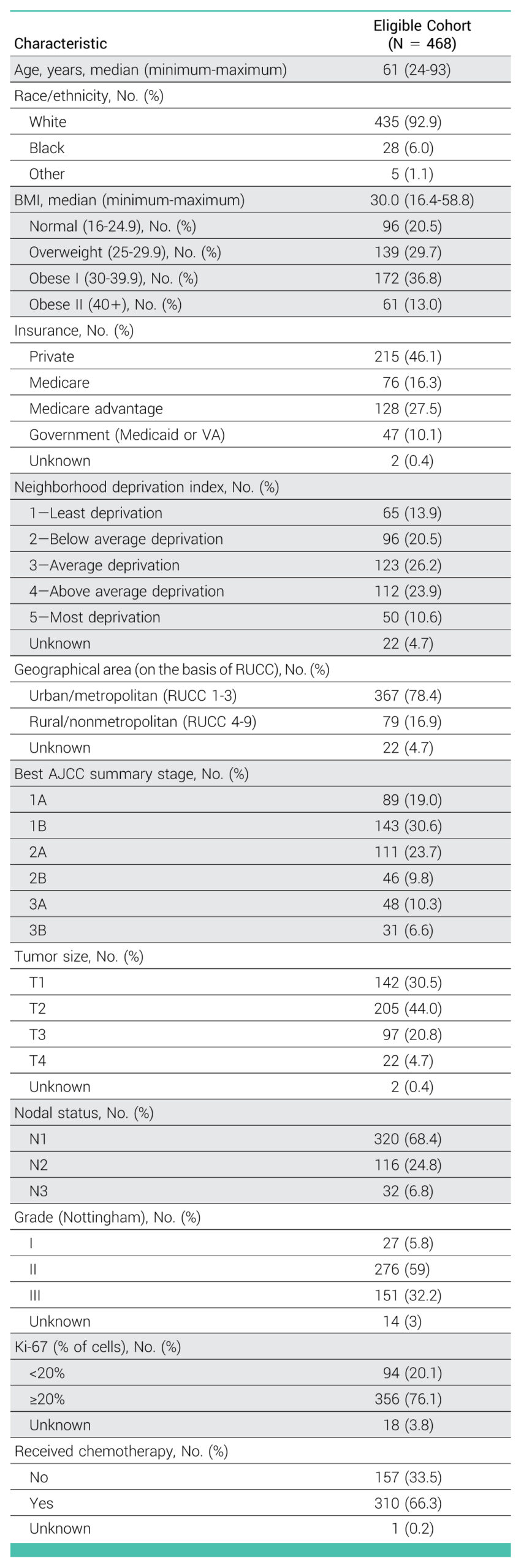
Table 1. Patient and Tumor Characteristics (N = 468)
Abbreviations: AJCC, American Joint Committee on Cancer; RUCC, Rural-Urban Commuting Codes; VA, Veterans Affairs.
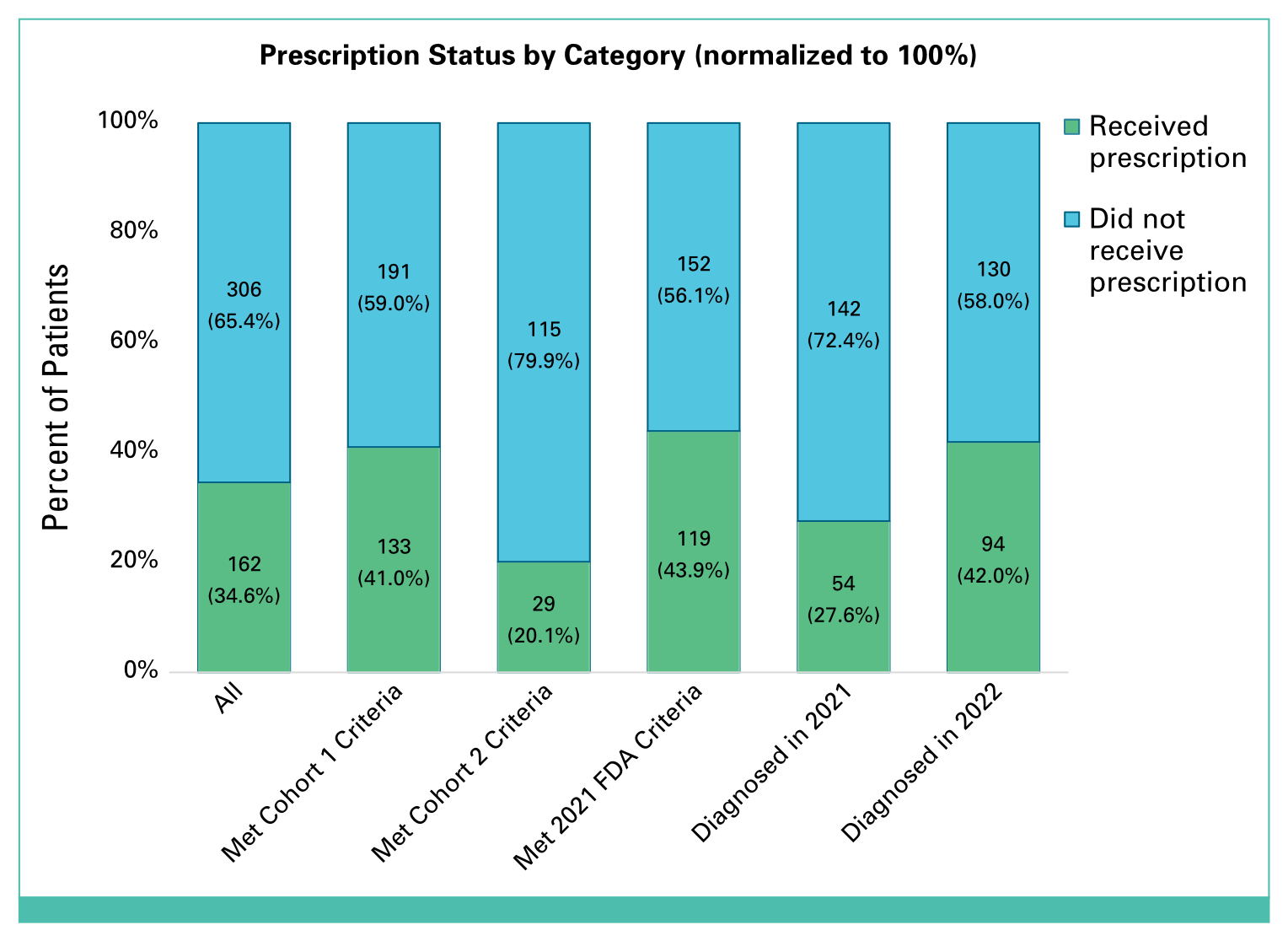
Fig 1. Abemaciclib prescribing by groups, showing the percentage prescribed per category/cohort (N = 468). FDA, US Food and Drug Administration.
Abemaciclib Prescription Patterns
Overall, 35% of the entire cohort (162 out of 468 patients) received a prescription for abemaciclib. Among patients eligible under the 2021 FDA guidelines, 44% (119 of 271) were prescribed abemaciclib (Fig 1). Furthermore, of the patients who met the monarchE cohort 1 and cohort 2 inclusion criteria, 41% (133 of 324) and 20% (29 of 144) were prescribed abemaciclib, respectively. Prescriptions increased from 28% in 2021 to 42% in 2022 (P = .0097), indicating a trend toward increased adoption of abemaciclib over time.
Predictors of Abemaciclib Prescription
Multivariable logistic regression analysis identified several factors significantly associated with receiving an abemaciclib prescription (Fig 2 and Data Supplement, Table S1). Age at diagnosis, nodal status, and tumor size were all associated with statistically significantly increased prescription rates (P < .05). Specifically, younger age, larger tumor size, and higher nodal burden were all significantly associated with receipt of abemaciclib prescriptions. Patients with T4 tumors had the highest rate of prescription at 59% compared with 23% of patients with T1 tumors, and tumor size was associated with increased likelihood of receiving abemaciclib (T3 v Tl: OR, 2.01 [95% CI, 1.03 to 3.95], P = .043; T4 v T1: OR, 5.71 [95% CI, 1.86 to 18.28], P = .0026). Similarly, patients with N2 or N3 disease were more likely to receive abemaciclib than patients with N1 disease (P < .01). There was no significant difference in prescribing on the basis of race/ethnicity, tumor grade, Ki-67 index, type of insurance, socioeconomic status (measured by NDI), or chemotherapy receipt after adjustment for other patient- and tumor-level covariates. For the subset of patients who did not receive abemaciclib and had a documented reason for nonprescription (n = 80), the most common reason was patient refusal (n = 44, 55%; Fig 3).
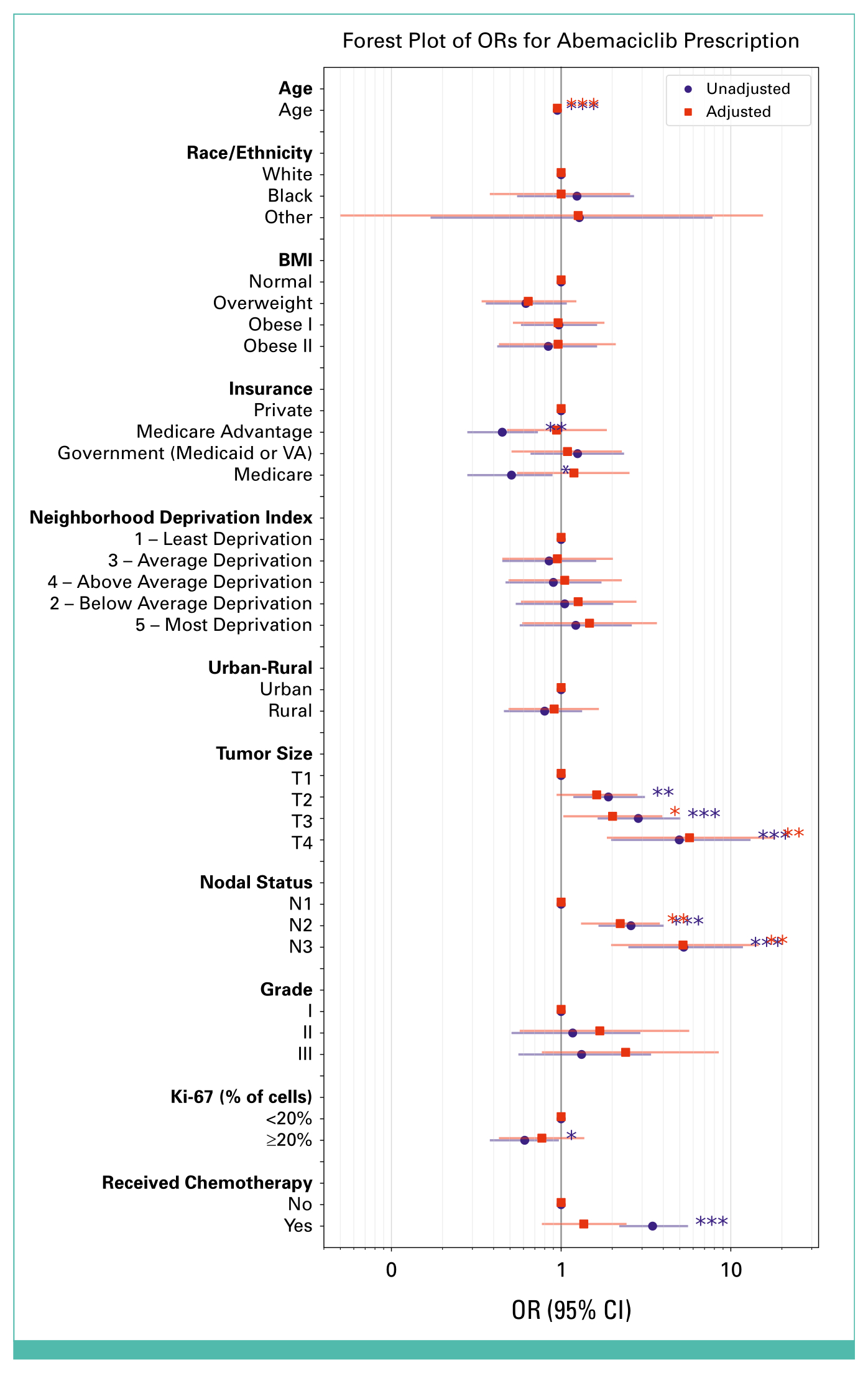
Fig 2. Forest plot showing the odds ratios from multivariate logistic regression for various factors associated with receipt of abemaciclib prescription (reference levels are shown at OR = 1.0; N = 468). *P < .05, **P < .01, ***P < .001. OR, odds ratio.
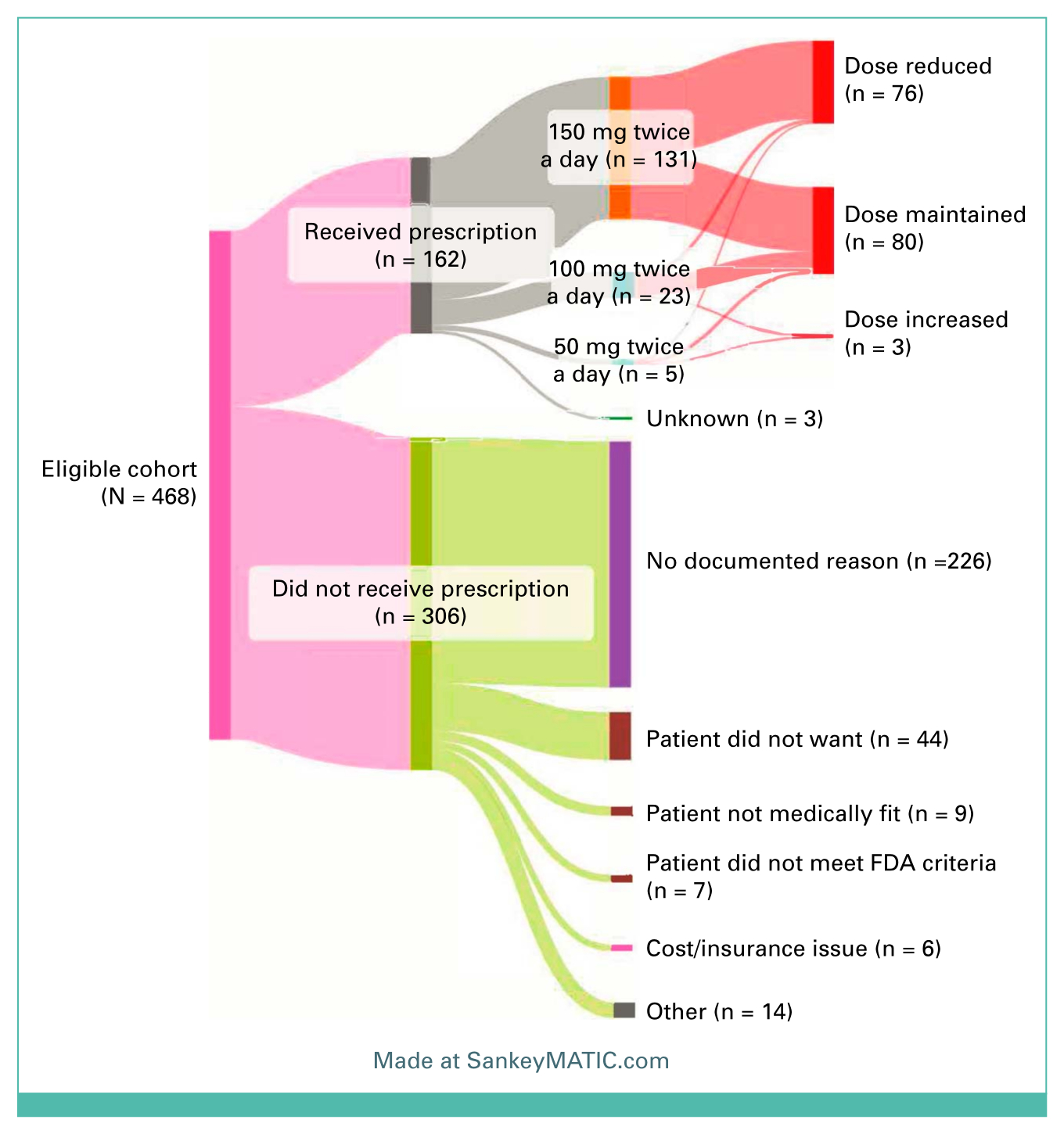
Fig 3. Sankey plot of doses for patients who did receive abemaciclib and reasons for patients who did not receive abemaciclib.
Dose Modifications, Toxicity, and Treatment Discontinuation
Among the 162 patients prescribed abemaciclib, 81% (n = 131) experienced at least one adverse event (AE), most commonly diarrhea (65%), fatigue (25%), and leukopenia (14%). Among those who started treatment, almost half (n = 76) underwent dose modifications due to AEs or other clinical considerations (Table 2). Treatment discontinuation due to AEs occurred in 20% (n = 33) of patients, with diarrhea being the primary reason for both dose modifications (n = 27) and discontinuations (n = 10). Among the patients who discontinued treatment, 54.5% (n = 18/33) did not have a previous dose reduction. At the study cutoff date of April 1, 2024, most patients (80%) who had initiated abemaciclib therapy had either completed the planned 2-year course of treatment or were still receiving therapy.
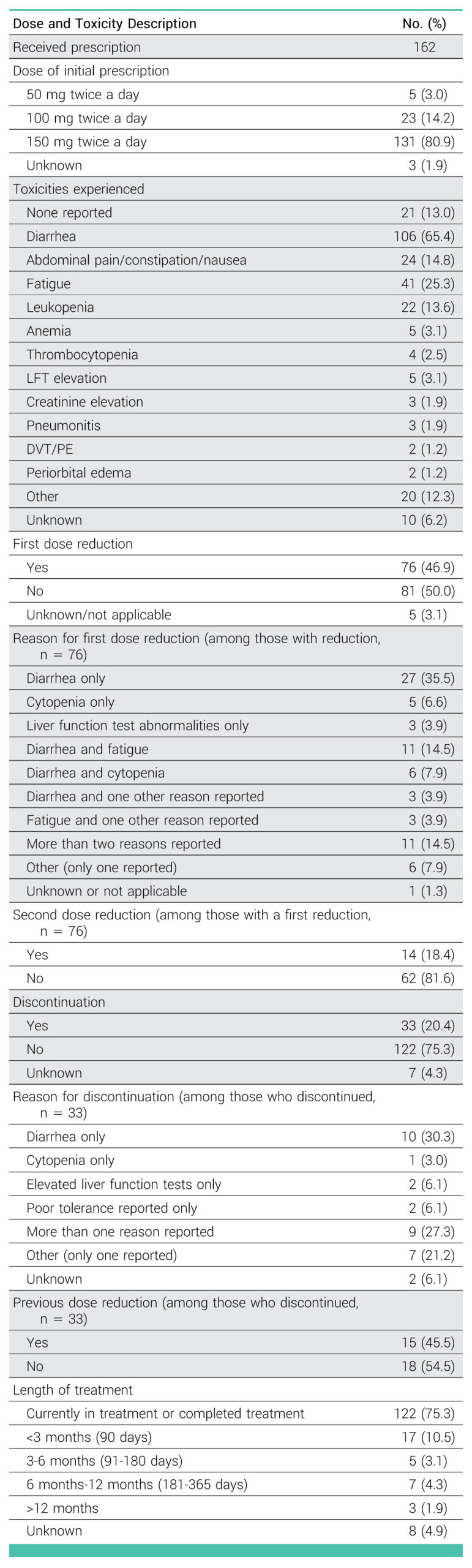
Table 2. Descriptive Statistics Related to Abemaciclib Toxicities and Dose Modifications
Abbreviations: DVT, deep vein thrombosis; LFT, liver function tests; PE, pulmonary embolism.
Of the 33 patients who discontinued abemaciclib before the intended treatment duration (Data Supplement, Table S2), only three patients discontinued ET concurrently; none of the patients restarted ET during the follow-up period. Three patients switched to a different ET agent at the time of abemaciclib discontinuation. Four patients changed to a different ET agent later in the follow-up period. Among the 29 patients who started at a lower dose of 50 mg or 100 mg twice a day (Data Supplement, Table S3), only three patients later increased their dose.
Survival Analysis of the Abemaciclib Cohort
Among the 468 patients included in this analysis, there were 24 deaths (5%) and 26 recurrences (6%) through July 17, 2025 (Data Supplement, Table S4). Most recurrences were distant (n = 23, 88%). Among the deaths, 18 and 6 occurred in the not prescribed (6%) and prescribed groups (4%), respectively (Data Supplement, Table S5). There was no association between abemaciclib prescription status and OS (Fig 4, Data Supplement, Table S5 and S6). However, from Cox proportional hazards models, age at diagnosis increased mortality risk (P = .038), and patients with higher BMI (ie, overweight and obese) had lower risk of mortality compared with those with normal BMI (<25 kg/m2; P < .05 for both; Data Supplement, Table S6). Because this was an unexpected finding on the basis of previous literature not showing differences in outcomes based on BMI,17,18 we conducted additional analyses to evaluate whether BMI may have an effect on toxicities, starting dose, and dose reductions and/or discontinuations. In this descriptive analysis (due to small sample sizes), we observed that among overweight patients, the discontinuation rate was 14%, while this rate was 22% among normal weight patients, although this pattern did not hold up in obese patients with BMI 30-39 (Data Supplement, Table S7). Unfortunately, our sample size was too small to examine the joint effect of BMI and abemaciclib discontinuation on recurrence patterns. Additionally, we observed that overweight patients were more likely to have a first dose at 150 mg (87% v 70% in normal weight patients; Data Supplement, Table S7).
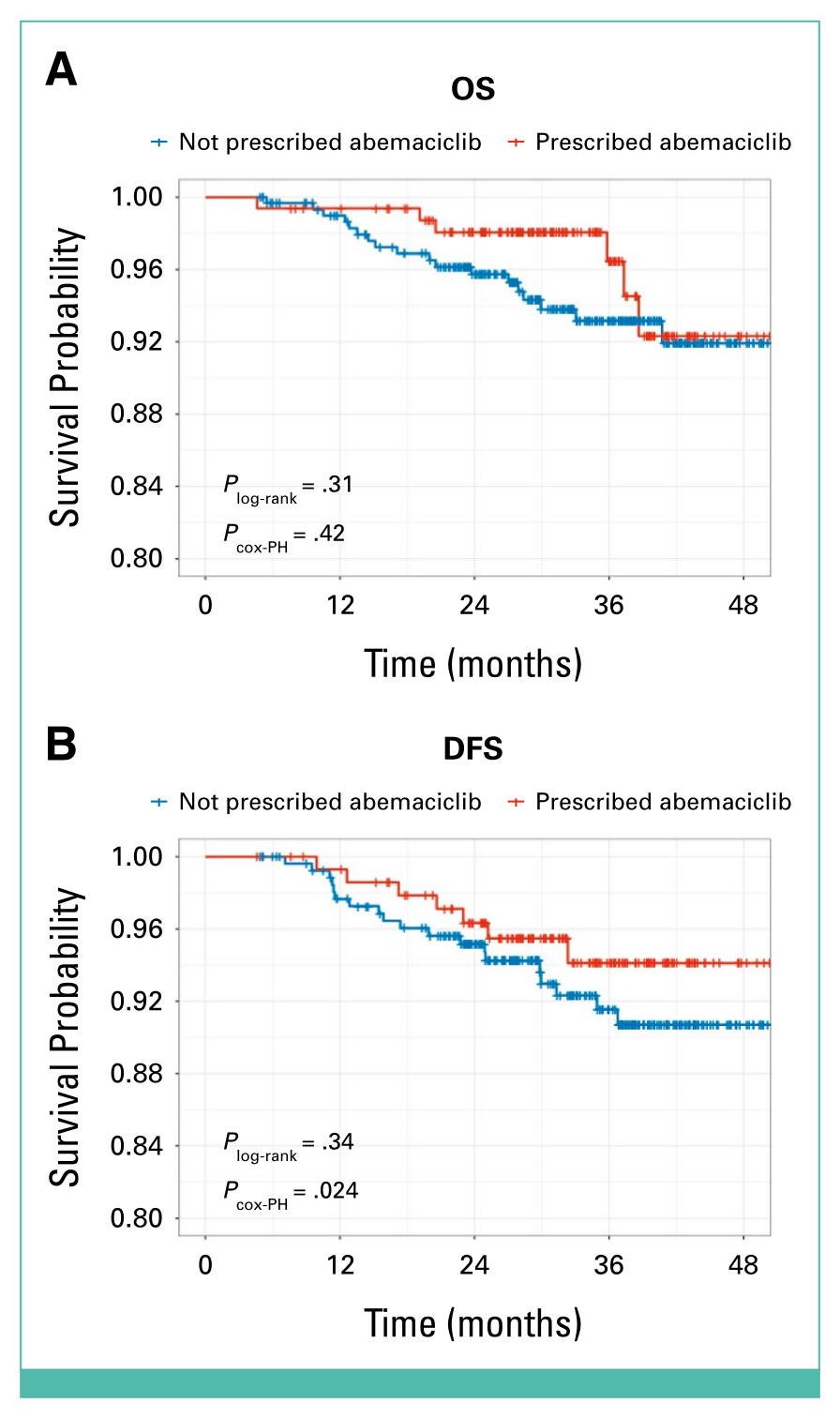
Fig 4. Impact of abemaciclib prescription on (A) OS and (B) DFS. Kaplan-Meier plots showing survival curves by abemaciclib prescription status. P value from log-rank test (Plog-rank) comparing survival curves by prescription status. P value (Pcox-PH) obtained from Cox proportional hazards models examined impact of abemaciclib prescription on OS and DFS and adjusted for the following covariates: age, BMI, tumor size, nodal status, Ki-67%, and receipt of chemotherapy. DFS, disease-free survival; OS, overall survival.
Among the recurrences, 19 and 7 occurred in the not prescribed (6%) and prescribed groups (4%), respectively. Although the number of recurrences and deaths were small, we observed that among those with a recurrence, one death occurred among those prescribed abemaciclib (1/7), while 10 deaths occurred among those not prescribed abemaciclib (10/19; Plog-rank = .15). From Cox proportional hazard models, abemaciclib prescription was associated with a 66% lower risk of recurrence (HR, 0.34 [95% CI, 0.14 to 0.87], P = . 024) after adjustment for age, BMI, nodal status, and other variables. As expected, higher nodal status was associated with higher risk of recurrence (P < .05).
DISCUSSION
In this single-institution retrospective study, adjuvant abemaciclib prescribing was overall low at 35%, but increased over time within the study time frame. Younger age, higher nodal status, and larger tumor size were associated with higher prescription rates, indicating provider decisions on the basis of clinical risk of BC recurrence1 and likelihood of tolerability.19 Similar trends were observed in a larger Flatiron Health database study, where 60% of over 3,000 eligible patients did not receive adjuvant abemaciclib.20,21 Increased prescribing over the study period could indicate increased provider awareness or decreased patient refusal, among others; however, most patient charts in the EHR did not contain specific mention of abemaciclib nor any discussion related to its use, and as such, we are unable to ascertain the reasons for this trend.
The original 2021 FDA approval of abemaciclib included Ki-67% ≥20 as a requirement for high-risk status in patients with N1 disease.11 Although Ki-67 is prognostic, patients benefited from abemaciclib regardless of Ki-67-high versus Ki-67-low status,10 albeit those with Ki-67-high tumors had a lower HR (0.63 v 0.70), indicating a larger magnitude of benefit. Since our study began, the FDA has updated their approval criteria to remove the Ki-67 requirement22; however, most patients in our cohort would have been prescribed abemaciclib under the original guidelines. Thus, we analyzed prescribing patterns separately in patients meeting monarchE cohort 1 and 2 eligibilities as well as the 2021 FDA approval criteria. The highest rate of prescribing was seen in those patients meeting FDA approval criteria (44%) followed by cohort 1 eligibility (41%), while those meeting cohort 2 eligibility only (N1 and Ki-67 ≥20%) lower rates of prescribing (20%). This indicates that most providers prescribing adjuvant abemaciclib are adhering to the FDA approval criteria; however, there are providers prescribing it variably also for patients who meet other inclusion criteria on the basis of monarchE cohorts.
The reasons for not prescribing adjuvant abemaciclib for eligible patients cannot be fully elucidated from our study: most patients (74%) did not have a documented reason in the medical record for nonprescription. Qualitative research is needed to better understand prescribing barriers. In patients whose medical record contained documentation of a discussion regarding adjuvant abemaciclib (n = 80), the most common documented reason for nonprescription was patients declining treatment (44/80 [55%]). Other reasons included poor performance status, cost/insurance concerns, as well as patients not strictly meeting FDA approval criteria. This highlights the importance of patient perceptions of the risks versus benefits of recommended treatments and the role of shared decision making in determining adjuvant treatment plans. Patients may underestimate survival benefits of adjuvant therapy,23 suggesting a need to better communicate abemaciclib’s benefits relative to its manageable toxicity profile.24 Another important consideration is the added cost of 2 years of abemaciclib treatment, which was estimated to be approximately $80,000, and not cost-effective in one US-based study.25 Our preliminary findings did note, however, that the type of insurance and socioeconomic status (as measured by Neighborhood Deprivation Index) did not seem to be associated with abemaciclib prescribing, contrary to previous literature,26 likely reflecting our small sample size and single-institution nature of our study.
The addition of CDK4/6i to ET results in increased rates of AEs. As seen in previous studies, 81% of patients in our cohort reported at least one AE attributed to abemaciclib on the basis of review of their medical record, with the most common being diarrhea. Despite this, only approximately 20% of patients discontinued abemaciclib early due to AEs, which is comparable with the rate of discontinuations due to AEs in monarchE (16.6%).1 The 80% completion/continuation rate despite high toxicity suggests tolerability with supportive care and dose adjustments. On the basis of previous work, dose reductions do not appear to compromise efficacy,27 and approximately 50% of patients in our cohort underwent at least one dose reduction, somewhat higher than seen on the monarchE study (41.2%).1 Interestingly, 54.5% of patients in our cohort (Table 2) had no dose reduction before discontinuing treatment, suggesting a role for improved provider communication and shared decision making around dose reductions before choosing to discontinue therapy completely.
Interestingly, despite the small sample size, we found that abemaciclib prescription was associated with a 66% lower risk of BC recurrence, although no difference in overall survival was detected. We also observed that older age at diagnosis increased mortality risk, and patients who were overweight or obese had lower risk of mortality compared with those with normal BMI. This is in contrast to previous reports17,18 from both monarchE and the PALLAS trial that found no differences in outcomes on the basis of BMI. However, there was a small decrease observed in the incidence of certain side effects and toxicities in patients with higher BMI, including grade 3 or higher neutropenia,17,18 and patients who were overweight or obese also had fewer discontinuations of their CDK4/6i. Given the limited sample size in our study, we were only able to conduct exploratory analyses: our data indicate that patients with BMI 25-29 were more likely to start at the highest dose of abemaciclib and may have had fewer abemaciclib discontinuations due to toxicities. These differences may explain the effect of BMI we observed on mortality rates; however, given the limited nature of our study, this should be further examined in future long-term studies.
Our study has several limitations. First, this is a single-institution retrospective study with a relatively small number of patients in our cohort. Despite this, early uptake data can identify prescribing barriers. Even within our small cohort, abemaciclib prescriptions are lower than the total patients eligible, supporting and contributing to a body of literature that in totality helps identify key factors for underutilization.28,29 We do note that lack of documentation (74% of patients) for reasons for not prescribing abemaciclib is a key challenge to answering this question, which can help guide future prospective works. Second, our cohort was majority White (93%). Because of the small number of non-White patients, our analyses comparing White and Black patients are underpowered and cannot be used to draw firm conclusions. Our study did not show any significant difference in the rate of abemaciclib prescription for White patients compared with Black patients in an exploratory analysis, although previous research has demonstrated that Black patients with early-stage high risk ER+/HER2– BC have worse outcomes compared with White patients,30 possibly due to higher rates of treatment toxicity.31,32 Third, even after detailed chart reviews, we were not able to identify reasons for nonprescription of abemaciclib in most patients (74% of those who were not prescribed abemaciclib). Finally, with the presentation and publication of results of the NATALEE trial,9,33 some providers may have begun prescribing ribociclib, another CDK4/6i, to patients in the adjuvant setting, which is not captured in our study. Ribociclib, in addition to ET, for the treatment of patients with high-risk early BCs was approved by the FDA on September 17, 2024,34 after the cutoff date of our study, and therefore, this should not have significantly affected our analysis.
In summary, this single-institution retrospective study reveals that adjuvant abemaciclib prescribing, although overall low, increased from 2021 to 2022. Prescription patterns show strong alignment with current FDA approval and literature, as providers more frequently prescribed abemaciclib to younger patients and those with higher-risk disease features (increased nodal involvement and larger tumor size), consistent with the FDA approval and MonarchE trial findings. Considering the benefit of adjuvant abemaciclib in patients with high-risk ER+/HER2– early BC, and observed reduced risk of recurrence, even in our small cohort, further research is required to address prescribing barriers and improve our understanding of factors that influence physician and patient decisions.
REFERENCES
Johnston SRD, Harbeck N, Hegg R, et al: Abemaciclib combined with endocrine therapy for the adjuvant treatment of HR+, HER2-, node-positive, high-risk, early breast cancer (monarchE). J Clin Oncol 38:3987-3998, 2020 | |
Goetz MP, Toi M, Campone M, et al: MONARCH 3: Abemaciclib as initial therapy for advanced breast cancer. J Clin Oncol 35:3638-3646, 2017 | |
Takahashi N, Shimizu C, Shimomura A, et al: Role of abemaciclib in primary breast cancer: A narrative review of MonarchE. Transl Breast Cancer Res 3:3, 2022 | |
Finn RS, Crown JP, Lang I, et al: The cyclin-dependent kinase 4/6 inhibitor palbociclib in combination with letrozole versus letrozole alone as first-line treatment of oestrogen receptor-positive, HER2-negative, advanced breast cancer (PALOMA-1/TRIO-18): A randomised phase 2 study. Lancet Oncol 16:25-35, 2015 | |
Slamon DJ, Neven P, Chia S, et al: Phase III randomized study of ribociclib and fulvestrant in hormone receptor-positive, human epidermal growth factor receptor 2-negative advanced breast cancer: MONALEESA-3. J Clin Oncol 36:2465-2472, 2018 | |
Tripathy D, Im SA, Colleoni M, et al: Ribociclib plus endocrine therapy for premenopausal women with hormone-receptor-positive, advanced breast cancer (MONALEESA-7): A randomised phase 3 trial. Lancet Oncol 19:904-915, 2018 | |
Loibl S, Marmé F, Martin M, et al: Palbociclib for residual high-risk invasive HR-positive and HER2-negative early breast cancer-the Penelope-B trial. J Clin Oncol 39:1518-1530, 2021 | |
Gnant M, Dueck AC, Frantal S, et al: Adjuvant palbociclib for early breast cancer: The PALLAS trial results (ABCSG-42/AFT-05/BIG-14-03). J Clin Oncol 40:282-293, 2022 | |
Slamon D, Lipatov O, Nowecki Z, et al: Ribociclib plus endocrine therapy in early breast cancer. N Engl J Med 390:1080-1091, 2024 | |
Harbeck N, Rastogi P, Martin M, et al: Adjuvant abemaciclib combined with endocrine therapy for high-risk early breast cancer: Updated efficacy and Ki-67 analysis from the monarchE study. Ann Oncol 32:1571-1581, 2021 | |
Royce M, Osgood C, Mulkey F, et al: FDA approval summary: Abemaciclib with endocrine therapy for high-risk early breast cancer. J Clin Oncol 40:1155-1162, 2022 | |
Rastogi P, O’Shaughnessy J, Martin M, et al: Adjuvant abemaciclib plus endocrine therapy for hormone receptor-positive, human epidermal growth factor receptor 2-negative, high-risk early breast cancer: Results from a preplanned monarchE overall survival interim analysis, including 5-year efficacy outcomes. J Clin Oncol 42:987-993, 2024 | |
Diez Roux AV: Neighborhoods and health: What do we know? What should we do? Am J Public Health 106:430-431, 2016 | |
Diez Roux AV, Mair C: Neighborhoods and health. Ann N Y Acad Sci 1186:125-145, 2010 | |
Powell-Wiley TM, Ayers C, Agyemang P, et al: Neighborhood-level socioeconomic deprivation predicts weight gain in a multi-ethnic population: Longitudinal data from the Dallas Heart Study. Prev Med 66:22-27, 2014 | |
Kind AJH, Buckingham WR: Making neighborhood-disadvantage metrics accessible—The neighborhood atlas. N Engl J Med 378:2456-2458, 2018 | |
Desmedt C, Borgquist S, Garcia-Estevez L, et al: Impact of body mass index (BMI) on efficacy and safety of abemaciclib in breast cancer patients (pts) treated in the monarchE trial. J Clin Oncol 43, 2025 (suppl 16; abstr 520) | |
Pfeiler G, Hlauschek D, Mayer EL, et al: Impact of BMI in patients with early hormone receptor-positive breast cancer receiving endocrine therapy with or without palbociclib in the PALLAS trial. J Clin Oncol 41:5118-5130, 2023 | |
Goetz MP, Okera M, Wildiers H, et al: Safety and efficacy of abemaciclib plus endocrine therapy in older patients with hormone receptor-positive/human epidermal growth factor receptor 2-negative advanced breast cancer: An age-specific subgroup analysis of MONARCH 2 and 3 trials. Breast Cancer Res Treat 186:417-428, 2021 | |
Sandoval-Leon A, O’Shaughnessy J, Liepa A, et al. Poster Number 42: Exploring the Treatment Gap in High-Risk HR+, HER2- Early Breast Cancer (EBC): Eligible Patients Not Receiving Abemaciclib in the US. 42nd Annual Miami Breast Cancer Conference – Abstracts 39:23-24, 2025 | |
Tolaney SM, Sammons S, Sandoval-Leon A, et al: Exploring the treatment gap and outcome risks in patients with node-positive, high-risk, HR-positive, HER2-negative early breast cancer: Analyses of real-world data. ESMO Open 11:106021, 2026 | |
Center for Drug Evaluation and Research: FDA Expands Early Breast Cancer Indication for Abemaciclib with Endocrine Therapy. US FDA. 2023. https://www.fda.gov/drugs/resources-information-approved-drugs/fda-expands-early-breast-cancer-indication-abemaciclib-endocrine-therapy | |
Tawfık B, Jacobson K, Brown-Glaberman U, et al: Developing questions to assess and measure patients’ perceived survival benefit from adjuvant endocrine therapy in breast cancer: A mixed methods pilot study. Clin Exp Med 24:36, 2024 | |
Rugo HS, Huober J, García-Sáenz JA, et al: Management of abemaciclib-associated adverse events in patients with hormone receptor-positive, human epidermal growth factor receptor 2-negative advanced breast cancer: Safety analysis of MONARCH 2 and MONARCH 3. Oncologist 26:e53-e65, 2021 | |
Talwar A, Deshmukh A, Trivedi M, et al: Abstract 4364: Cost-effectiveness analysis of abemaciclib and endocrine therapy combination for the adjuvant treatment of HR+/HER2-, node-positive, high-risk, early breast cancer. Cancer Res 83:4364, 2023 (suppl 7) | |
Goyal RK, Candrilli SD, Abughosh S, et al: Social determinants of health and other predictors in initiation of treatment with CDK4/6 inhibitors for HR+/HER2– metastatic breast cancer. Cancers 16:12, 2024 | |
Hamilton EP, Kim JH, Eigeliene N, et al: Efficacy and safety results by age in monarchE: Adjuvant abemaciclib combined with endocrine therapy (ET) in patients with HR+, HER2-, node-positive, high-risk early breast cancer (EBC). J Clin Oncol 41, 2023 (suppl 16; abstr 501) | |
Carter GC, Sheffield KM, Gossai A, et al. Abstract P2-08-12: Initial real world treatment patterns and outcomes of abemaciclib for the treatment of HR+,HER2- metastatic breast cancer. Cancer Res 80:P2-08-12, 2020 (suppl 4) | |
Cuyun Carter G, Sheffield KM, Gossai A, et al: Real-world treatment patterns and outcomes of abemaciclib for the treatment of HR+, HER2- metastatic breast cancer. Curr Med Res Opin 37: 1179-1187, 2021 | |
Roy AM, Patel A, Catalfamo K, et al: Racial and ethnic disparity in preoperative chemosensitivity and survival in patients with early-stage breast cancer. JAMA Netw Open 6:e2344517, 2023 | |
Hu X, Walker MS, Stepanski E, et al: Racial differences in patient-reported symptoms and adherence to adjuvant endocrine therapy among women with early-stage, hormone receptor-positive breast cancer. JAMA Netw Open 5:e2225485, 2022 | |
Reeder-Hayes KE, Troester MA, Wheeler SB: Adherence to endocrine therapy and racial outcome disparities in breast cancer. Oncologist 26:910-915, 2021 | |
Slamon DJ, Stroyakovskiy D, Yardley DA, et al: Ribociclib and endocrine therapy as adjuvant treatment in patients with HR+/HER2- early breast cancer: Primary results from the phase III NATALEE trial. J Clin Oncol 41, 2023 (suppl 17; abstr LBA500) | |
Center for Drug Evaluation and Research: FDA Approves Ribociclib With an Aromatase Inhibitor and Ribociclib and Letrozole Co-Pack for Early High-Risk Breast Cancer. US FDA. 2024. https://www.fda.gov/drugs/resources-information-approved-drugs/fda-approves-ribociclib-aromatase-inhibitor-and-ribociclib-and-letrozole-co-pack-early-high-risk |