
Multimodal De-Escalation Strategies in Early Breast Cancer
Am Soc Clin Oncol Educ Book. 2025 Jun;45(3):e473462.
OVERVIEW
The excellent cure rates documented in clinical trials today constitute a very high bar for attempts to de-escalate therapy for early-stage breast cancer (EBC). Moreover, any therapy de-escalation must be made in the context of an optimal multimodal treatment concept as deescalation of one modality should not be met by escalation of another. In surgery, omission of sentinel lymph node biopsy can now be safely offered for patients with low-risk hormone receptor–positive/human epidermal growth factor receptor 2–negative (HER2–) disease. After neoadjuvant therapy, adapting surgical and/or radiation therapy (RT) treatment steps to systemic treatment response has already become a reality, yet technical quality assurance is mandatory. Increased use of novel targeted agents in eBC requires adaptation of RT timing that has been addressed by current consensus recommendations. Last but not least, omission of chemotherapy (CTx) is a key question for patients and their physicians in hormone receptor–positive/HER2– EBC. In patients with zero to three involved lymph nodes, gene expression assays safely allow CTx omission. Endocrine response assessment, that is, Ki67 determination, after a short 4-week endocrine therapy before surgery adds important information, particularly for premenopausal patients. The overall goal of therapy de-escalation is to reduce treatment burden without compromising patient outcomes. Thus, de-escalation concepts overall, as well as biomarkers used for therapy de-escalation, need to be evidence-based and validated by prospective clinical trials.
INTRODUCTION
Breast cancer is the most common cancer in women around the globe, with an estimated 2.3 million new cases, and leading cause of cancer mortality in women worldwide, with 666,000 deaths, as per statistics for 2022.1 In early breast cancer (EBC), early detection and improvements in systemic therapy have led to substantial improvements in chances for cure over the past few decades. Women diagnosed after 2000 have a 20% lower risk for recurrence than those diagnosed in the 1990s.2 Current multimodal therapy concepts aim at deescalation and individualization of treatment components without compromising outcomes.
SURGERY
How Much Axillary Surgery Is Needed?
For over 100 years, axillary surgery for breast cancer was based on the Halstedian concept that breast cancer was a locoregional disease that spread via the lymphatic system and thus cured by resection.3,4 It has now become clear that breast cancer biology is the major driver of both systemic and locoregional recurrence. Surgical de-escalation of axillary node staging was demonstrated to be safe in multiple clinical trials (z0111 trial, AMAROS trial, IBCSG 23-01).5–7 Thus, a sentinel lymph node biopsy (SLNB) is now the standard of care for women with early-stage breast cancer. There have been recent clinical trials demonstrating that omission of SLNB altogether does not change oncologic outcomes for a subset of patients with breast cancer.8 Yet, there are still circumstances where extensive axillary surgery (an axillary lymph node dissection) is beneficial for local disease control. Here, we provide a review of the historical context of axillary staging and an exploration of the current evidence of de-escalating axillary surgery in the context of integrating radiation therapy and improved, modern systemic therapy.
Historical Perspective of Axillary Surgery
Radical mastectomy, the standardized operation for breast cancer for most of the 20th century, was a surgical removal of the breast, chest wall muscles, and contents of the axilla that left women disfigured and with significant morbidity. By the mid-1960s with new information about cancer biology and behavior, as well as significant dissatisfaction with results of the radical mastectomy, the National Surgical Adjuvant Breast and Bowel Project (NSABP) initiated a clinical trial to understand the impact of de-escalation of surgery on oncologic outcomes.9 The B-04 began in 1971 with random assignment of women to a radical mastectomy, total mastectomy with regional irradiation, or total mastectomy alone. The researchers compared these three groups, separating the analysis into women with clinically node-positive and clinically node-negative axillary lymph nodes. There was no statistically significant difference in overall or disease-free survival (DFS) among women with negative nodes and among women with positive nodes. This trial demonstrated that de-escalation of radical breast and axillary surgeries did not compromise oncologic outcomes for patients.10 Simultaneously, the Milan I trial compared radical mastectomies with more conservative treatments (quadrantectomy and axillary dissection with radiation therapy [RT] to the ipsilateral breast) for women with clinically node-negative breast cancer and found no difference in DFS (77% for radical mastectomy and 80% for more conservative treatments) or overall survival (OS; 83% v 85%). In turn, this trial influenced a movement toward less invasive axillary surgery for those with clinically nodenegative breast cancer.11
PRACTICAL APPLICATIONS
- In early-stage breast cancer (EBC), multimodal therapy de-escalation strategies are feasible without compromising outcomes but need to be discussed by a multidisciplinary team.
- In hormone receptor–positive/human epidermal growth factor receptor 2–negative (HER2–) EBC, sentinel lymph node biopsy (SLNB) can safely be omitted in patients 50 years and older with cT1 cN0 G1/2 tumors according to the INSEMA and SOUND trial results.
- After neoadjuvant therapy, dual tracer mapping and retrieval of ≥three sentinel lymph nodes lower the false-negative rate of SLNB to <10%.
- After neoadjuvant therapy, radiotherapy may be minimized in individual patients if systemic therapy has achieved excellent tumor control.
- In hormone receptor–positive/HER2– EBC, with zero to three involved lymph nodes, the use of gene expression assays and endocrine response assessment allows omission of chemotherapy in pre- and postmenopausal patients.
Further De-Escalation of Axillary Surgery
Eventually, effective locoregional and systemic therapies opened the door to new surgical approaches to the axilla including the less morbid SLNB. The NSABP B32 studied women with node-negative breast cancer and compared two groups: those who underwent a SLNB and axillary lymph node dissection (ALND) and those who underwent a SLNB only followed by ALND only if sentinel nodes were positive. They found no differences in survival, DFS, or regional control but did find that ALND was associated with higher rates of complications (nerve palsies, neuropathies, and lymphedema).12 These findings were similar to other studies which were subsequently completed. The American College of Surgeons Oncology Group Z0011 trial in 2012 randomly assigned early-stage breast cancer patients into two groups: SLNB alone and SLNB with ALND. They found no statistically significant differences in local recurrence, DFS, or OS. They did, however, find that ALND was associated with higher rates of complications: lymphedema (23% v 5%), wound infections (4.7% v 2.8%), and increased pain and numbness. This trial showed that SLNB alone was sufficient for controlling low-volume disease.13,14 Similarly, the AMAROS trial, published in 2014, randomly assigned women with early-stage breast cancer with a positive SLNB to receive with ALND or axillary RT. Their results also found no difference in survival and found that ALND is associated with higher rates of complications.5 Ultimately, the IBCSG 23-01 trial, published in 2013, focused specifically on patients with low-volume disease. They compared patients with and without axillary dissection and found no statistically significant difference in 10-year DFS rate (76.8% in no axillary dissection and 74.9% in axillary dissection).7 Altogether, because of lack of increases in survival and increases in complications, these trials led to significant reductions in ALNDs performed for early-stage breast cancer (Table 1).
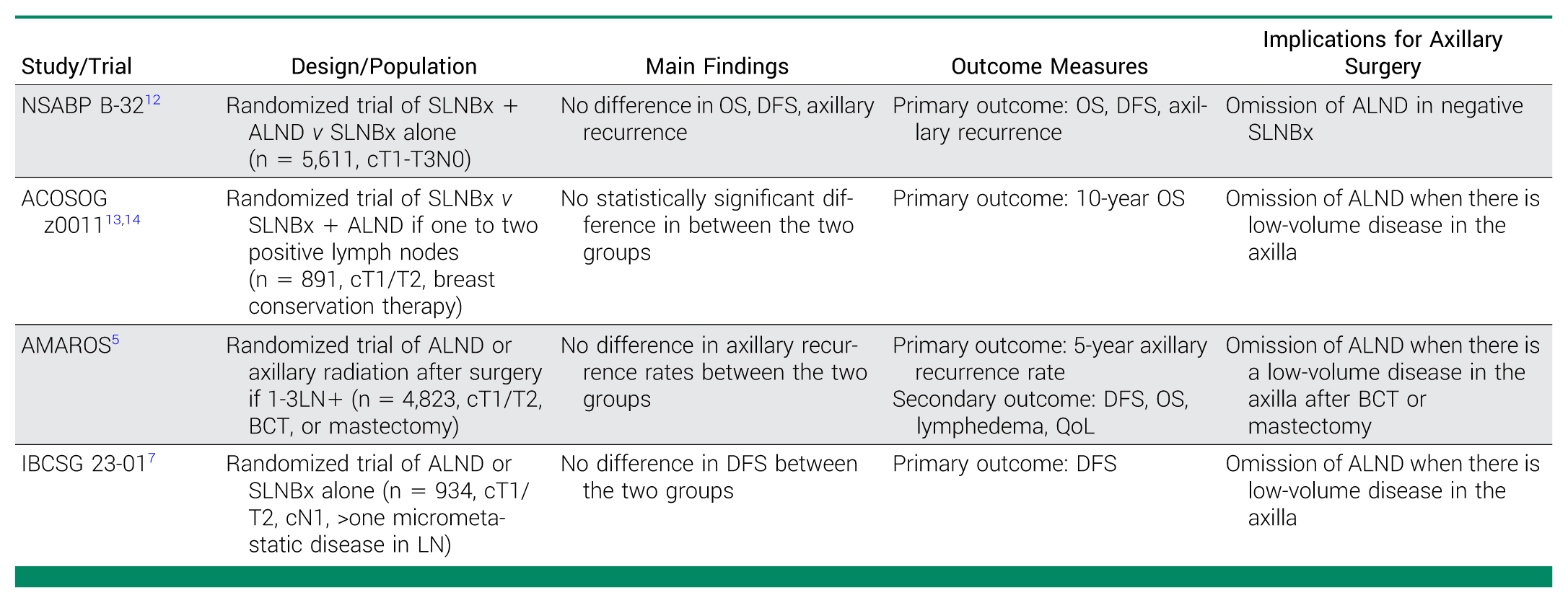
Table 1. Key Studies Informing Omission De-Escalation of Axillary Surgery
Abbreviations: ALND, axillary lymph node dissection; BCT, breast conserving therapy; DFS, disease-free survival; LN, lymph node; OS, overall survival; QoL, quality of life; SLNB, sentinel lymph node biopsy.
Omission of Axillary Surgery
With the advent of novel systemic therapies and highly effective and targeted radiation therapies, there are increasingly fewer indications for axillary surgery to help improve oncologic outcomes. However, axillary surgery can still be beneficial in helping guide adjuvant treatment plans. Recent studies have increasingly challenged the necessity of axillary surgery in patients with early-stage breast cancer with clinically node-negative disease at all. The SOUND trial demonstrated that patients with early-stage breast cancer and negative axillary ultrasound could safely omit SLNB, achieving a comparable 5-year DFS with those who underwent SLNB.8 Patients who were randomly assigned in the SOUND trial had tumors up to 2 cm in size, lack of involvement of axillary nodes on clinical examination, and a negative axillary US. They all underwent breast conservation surgery and radiation and were randomly assigned to either SLNB or radiation alone without axillary staging. Similarly, the INSEMA trial, which included over 5,000 patients who had either T1 or T2 tumors and were node-negative according to clinical examination and imaging, showed no significant difference in invasive disease-free survival (iDFS) between patients who underwent SLNB and those who did not, reinforcing a de-escalation approach in well-selected populations.15 These patients were similarly randomly assigned to either axillary staging or not. These findings align with the Choosing Wisely campaign, which advocates against unnecessary medical interventions, promoting a shift toward minimizing surgical procedures that do not affect OS, local control, or recurrence rates.16 Importantly, these trials emphasize the role of preoperative imaging and patient selection criteria in safely omitting axillary surgery without compromising oncologic outcomes. Although all histologic subtypes of breast cancers were included in these trials, most women represented had hormone receptor–positive disease. This is an important consideration as early-stage, node-positive patients who have more aggressive biology require more aggressive systemic and radiation therapies, and thus, omission of axillary staging is not routinely used for all patients.
Axillary Surgery in the Neoadjuvant Setting
In the neoadjuvant setting, axillary management is evolving, particularly for patients who change from being clinically node-positive to node-negative after systemic therapy. Performing a SLNB after neoadjuvant chemotherapy (CTx) often allows patients to avoid the morbidity of axillary lymph node dissections; however, maintaining a low false-negative rate (FNR) with a SLNB is critical to appropriately manage adjuvant therapies. The Alliance 1071 trial demonstrated that SLNB after neoadjuvant CTx in initially node-positive patients resulted in a FNR of 12.6%, which exceeded the predefined acceptability threshold. With the use of dual tracer mapping and retrieval of ≥three sentinel lymph nodes, the FNR was appropriately below 10% in this trial.17 It was also found that if the clipped node (the node that was biopsied with a clip placed prior to systemic therapy) was removed at the time of SLNB, the FNR was the lowest at the time of surgery.6 The SENTINA trial similarly reported an FNR of 14.2% in patients who had SLNB after neoadjuvant CTx.18 By contrast, the SN FNAC trial demonstrated a significantly lower FNR of 8.4%, meeting the threshold of clinical acceptability; this improvement was attributed to stricter protocol adherence, including the mandatory use of immunohisto-chemistry and evaluation of nodal response by size.19 All three trials concur that the use of dual tracer mapping and retrieval of ≥three sentinel lymph nodes lower the FNR to <10%, supporting technical optimization when considering SLNB in this setting. These findings support a tailored approach to axillary surgery in patients undergoing neoadjuvant therapy, balancing oncologic safety with morbidity reduction. As of now, there are no longterm data to demonstrate the absolute oncologic safety of SLNB after neoadjuvant CTx, but early data suggest that it does not change overall or disease-free survival. Currently, there is an ongoing Alliance 11202 clinical trial that is evaluating omitting axillary lymph node dissection in patients who have minimal residual nodal disease after neoadjuvant CTx. This could significantly affect the extent of axillary surgery performed if the results show that regional nodal irradiation (RNI) alone is effective at controlling axillary recurrences without the addition of axillary lymph node dissection. These trial results are highly anticipated.
RT
Integrating RT Into the Current Concepts of Primary Systemic Therapy
The role of RT in the context of primary systemic therapy (PST) is a subject of intense debate, particularly regarding de-escalation strategies for postoperative RT. On the one hand, studies such as the RAPCHEM aim to evaluate the feasibility of reducing or omitting RT after a favorable response to PST,20 whereas the NRG Oncology/NSABP B-51/RTOG 1304 trial further supports selective de-escalation.21 These findings suggest a move toward minimizing RT in cases where systemic therapy has achieved excellent tumor control, reflecting a broader shift toward individualized, risk-adapted treatment approaches.
Conversely, data from the Early Breast Cancer Trialists’ Collaborative Group (EBCTCG) meta-analysis challenge this perspective, suggesting that even patients at lower risk of recurrence—such as those with pN0 disease who have not undergone PST—derive survival benefits from postmastectomy RT (PMRT) and RNI.22 The EBCTCG findings raise critical questions about whether the omission of RT after PST might inadvertently compromise long-term disease control, especially in cases where tumor burden or biology may still pose a residual risk. Adding to the complexity, the recently presented SUPREMO trial at 2024 SABCS indicates that PMRT can be safely omitted in some pN1 patients, particularly those with favorable characteristics. Yet, the trial’s findings must be balanced against the broader evidence base, which underscores the difficulty of universally applying deescalation strategies (Table 2). A key concern is the generalizability of these trial results to contemporary clinical practice. As surgical management of the axilla continues to de-escalate, many patients in trials such as SUPREMO, who underwent more extensive axillary surgery, might now receive less aggressive surgical staging. This evolving standard raises the possibility that omitting RT in these cases could result in undertreatment, given the potential for residual nodal disease to go undetected. Thus, the risk of excessive de-escalation must be carefully weighed against potential oncologic compromise. Beyond the debate over whether to administer RT lies the challenge of defining appropriate treatment volumes, whether to include PMRT, RNI, or internal mammary node irradiation, within the evolving framework of PST. This controversy reflects a broader tension in the field: the absence of validated biomarker-driven tools in RT23 limits the ability to predict individual patient benefits, particularly in the context of PST. While systemic therapy has seen significant advances in personalization, RT decision making remains dependent on clinical and pathologic features, which may not fully capture the complexity of patient and tumor biology. In this context, future clinical trials aiming to test de-escalation strategies should be designed with a comprehensive, integrative perspective. Rather than approaching surgery, systemic therapy, and RT in isolation, de-escalation efforts should account for the interplay between all three modalities. This multidisciplinary design is essential to avoid overlapping reductions in treatment intensity that could collectively result in undertreatment and to ensure that modern deescalation strategies remain safe, evidence-based, and applicable to real-world clinical practice.
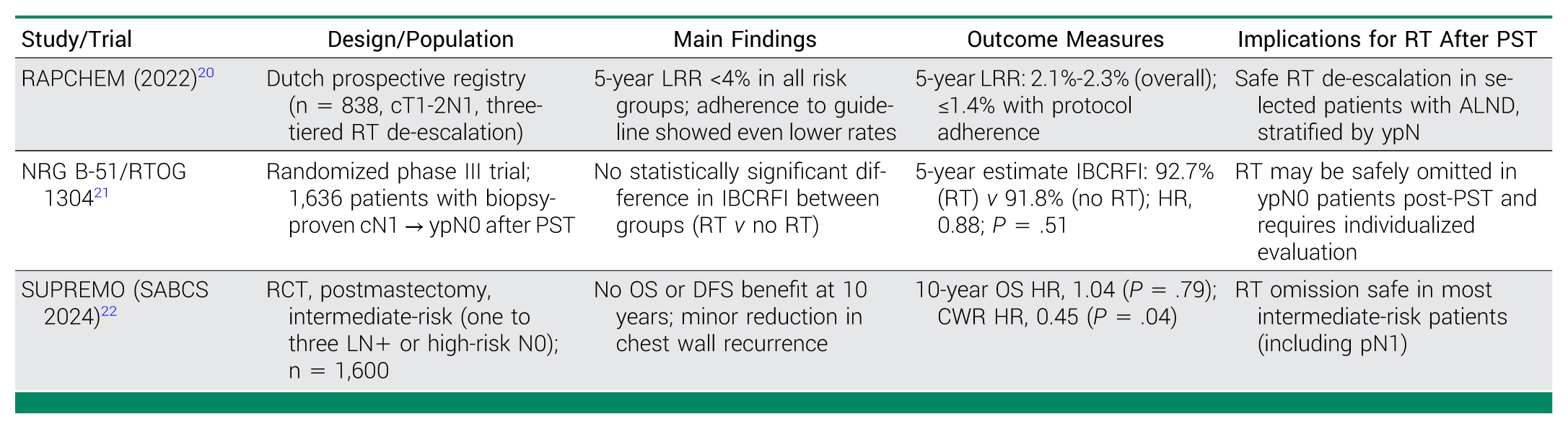
Table 2. Key Studies Informing Radiotherapy De-Escalation in Early Breast Cancer
Abbreviations: ALND, axillary lymph node dissection; CWR, chest wall recurrence; DFS, disease-free survival; HR, hazard ratio; IBCRFI, ipsilateral breast cancer recurrence-free interval; LN, lymph node; LRR, locoregional recurrence; OS, overall survival; PST, primary systemic therapy; RCT, randomized control trial; RT, radiation therapy.
Integrating RT With Modern Systemic Therapies: Safety and Synergy With Targeted Agents
The management of breast cancer has undergone a significant transformation over the past two decades with the advent of novel systemic therapies, including immune checkpoint inhibitors (ICIs), cyclin-dependent kinase 4 and 6 (CDK4/6) inhibitors, and antibody-drug conjugates (ADCs).24 These agents have improved survival outcomes across different breast cancer subtypes and stages. However, this rapid progress has introduced challenges in determining the optimal timing, combination, and sequencing of RT and systemic treatments, especially in the neoadjuvant, postoperative, and metastatic settings.25 We provide an in-depth analysis of the current evidence on integrating RT with modern systemic agents, addressing both efficacy and safety considerations (Table 3).
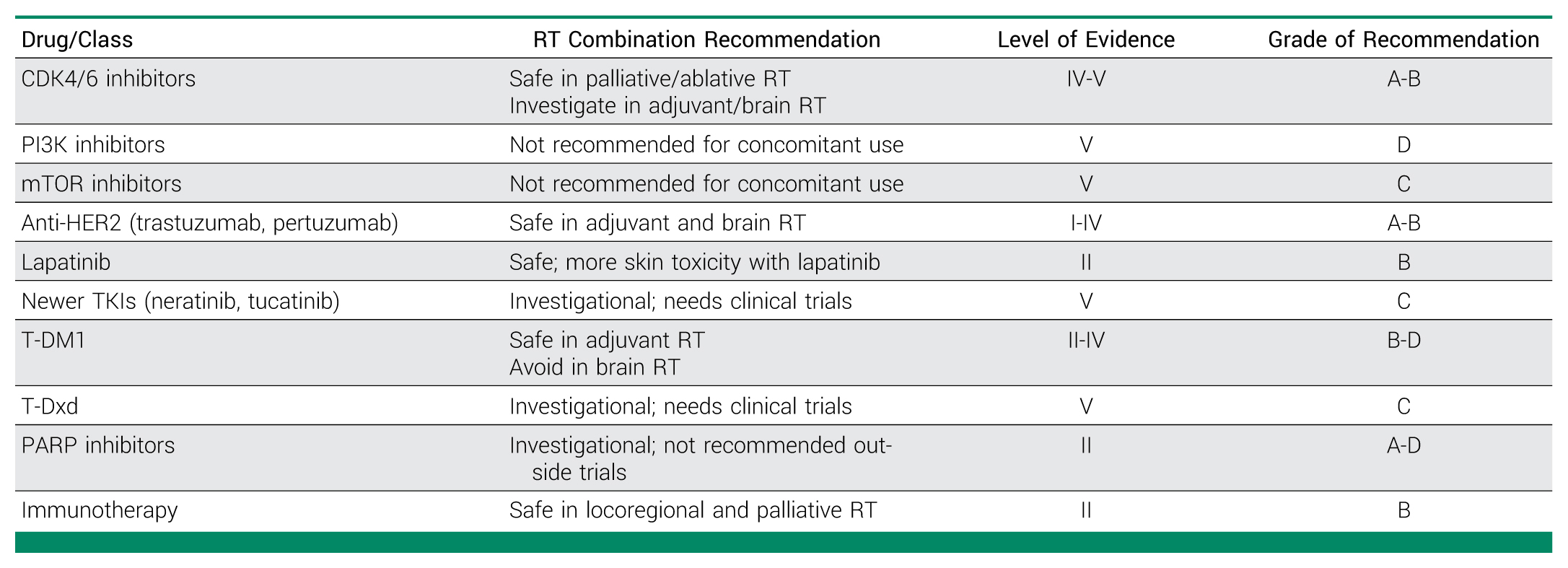
Table 3. Safety of Integrating Radiotherapy With Systemic Treatments in Breast Cancer (adapted from the ESTRO-endorsed recommendations)25
Abbreviations: ESTRO, European Society for Radiotherapy and Oncology; CDK4/6, cyclin-dependent kinase 4 and 6; HER2, human epidermal growth factor receptor 2; mTOR, mammalian target of rapamycin; PARP, poly (ADP-ribose) polymerase; PI3K, phosphatidylinositol 3-kinase; RT, radiation therapy; T-DM1, trastuzumab emtansine; T-Dxd, trastuzumab deruxtecan; TKIs, tyrosine kinase inhibitors.
RT After PST and Adjuvant Escalation Strategies
PST has become a cornerstone in the treatment of locally advanced and high-risk early-stage breast cancer. In addition to facilitating breast-conserving surgery by down-staging tumors, PST allows for the in vivo assessment of treatment response. Pathologic complete response (pCR) is the primary end point in most neoadjuvant trials and strongly correlates with improved long-term outcomes.26,27 In triple-negative breast cancer (TNBC), the KEYNOTE-522 trial demonstrated that the addition of the ICI pembrolizumab to standard CTx significantly improved pCR rates, event-free survival (EFS), and OS.28–30 The CREATE-X trial further showed that the addition of adjuvant capecitabine significantly improved disease-free survival and OS in patients with residual TNBC.31 Similarly, the OlympiA trial demonstrated that adjuvant olaparib, a poly ADP ribose polymerase (PARP) inhibitor, reduced recurrence in patients with germline BRCA1/2 mutations and residual disease.32 The integration of RT in this setting is an area of active research. In a post hoc analysis of KEYNOTE-522, an EFS benefit was observed in patients who received pembrolizumab with either concurrent or sequential postoperative RT, and the addition of pembrolizumab to adjuvant RT was generally well tolerated.33 Although prospective data on capecitabine and RT are lacking, current evidence offers inconclusive findings on toxicity, prompting cautious use.34,35 Similarly, the radiosensitizing properties of PARP inhibitors may increase normal tissue toxicity when combined with RT, and current guidelines recommend their use with RT be confined to clinical trials or prospective registration cohorts.25 In human epidermal growth factor receptor 2–positive (HER2+) BC, neoadjuvant regimens combining trastuzumab and pertuzumab with CTx have demonstrated strong efficacy.36 For patients with residual disease after PST, adjuvant escalation with T-DM1 is recommended.37 The APHINITY trial confirmed the safety of combining pertuzumab and trastuzumab in the adjuvant setting, even when administered concomitantly with RT, as no increased cardiac toxicity was reported.36 Retrospective studies with small cohorts support the safety of this combination.38,39 Available data suggest that T-DM1 combined with RT has an overall good safety profile although slightly higher rates of pneumonitis and skin toxicity have been reported compared with trastuzumab.37,40,41 In high-risk hormone receptor–positive HER2-negative (HER2–) breast cancer, CDK4/6 inhibitors such as palbociclib, ribociclib, and abemaciclib have transformed systemic therapy.42 Preclinical data suggest that CDK4/6 inhibition enhances radiosensitivity by promoting apoptosis in cancer cells.43 However, pivotal adjuvant trials did not permit concomitant RT, and retrospective studies have highlighted potential hematologic toxicities when CDK4/6 inhibitors are used concurrently with RT.44 As a result, current recommendations advise withholding CDK4/6 inhibitors during RT in early-stage disease. Altogether, these findings underscore the importance of carefully weighing the benefits of adjuvant systemic therapy escalation against the potential risks of combining these agents with RT. Sequencing and timing are critical in ensuring safety and efficacy in patients receiving curative-intent multimodal therapy.
Integration of Targeted Agents With RT: Considerations and Challenges
The integration of targeted therapies with RT not only offers opportunities for enhanced efficacy but also presents challenges, particularly concerning increased toxicity. Insights from the metastatic setting, where RT is increasingly administered with ablative intent involving higher doses and greater technical complexity, can inform cautious integration strategies in early-stage disease. Several drugs currently used in advanced settings, such as newer ADCs, are now moving to earlier treatment lines. Thus, understanding potential toxicities observed in advanced disease becomes critical for safely managing therapy in contexts with expected prolonged survival.25,45–50 Therefore, high-quality data collection regarding RT integration with modern systemic therapies is crucial, even in trials not primarily designed to test RT effects. Clear reporting guidelines on RT administration in such trials are essential to ensure reliable interpretation and applicability of findings.51
SYSTEMIC TREATMENT
Which Biomarkers Are Evidence-Based for De-Escalating Systemic Therapy Without Compromising Outcomes?
Systemic therapy concepts in EBC are subtype-specific. In HER2+ and triple-negative disease, systemic therapy mostly starts in the neoadjuvant setting and is individualized based on pCR status. Recently, a randomized, noncomparative, multicenter, open-label, phase II PHERGain study showed that an 18fluorodeoxyglucose positron emission tomography-based, pCR-adapted strategy can identify a group of patients with HER2+ EBC who can safely omit CTx and receive exclusive dual HER2 blockade with trastuzumab and pertuzumab, without compromising long-term outcomes.52 In luminal-like, that is, hormone receptor–positive, HER2– EBC, treatment decisions are based on tumor burden, that is, nodal involvement, and tumor biology.53–55 While endocrine therapy (ET) is always indicated in hormone receptor–positive HER2– EBC, additional information is needed to answer the questions of (1) who needs CTx in addition to ET and (2) who needs more than CTx and ET. For the latter question, two CDK 4/6 inhibitors have been approved for high-risk node-negative and node-positive hormone receptor–positive HER2– EBC. Adjuvant abemaciclib added to ET significantly reduced risk of recurrence (improvement in iDFS and distant relapse-free survival [DRFS]) when used in a high-risk patient population, that is, those with large primary tumors (≥5 cm) and nodal involvement, and/or substantial nodal burden (≥four nodes involved).56 Addition of ribociclib to adjuvant ET also demonstrated a significant improvement in iDFS, extending the benefit to a broader population of patients, including stage II node-negative and node-positive, as well as stage III EBC.57 Moreover, olaparib is available for gBRCAmut HER2– EBC.58 While CTx is currently indicated in patients with ≥four involved lymph nodes, the indication is not clear in patients with zero to three involved lymph nodes. In a substantial proportion of these patients, CTx may be unnecessary overtreatment and could be safely omitted without compromising chances for cure. Next to clinicopathologic features such as tumor size and histologic grade, biomarkers can be used for CTx decision making. While several biomarkers have been evaluated, only a few (ie, gene expression assays [GEAs] and endocrine response assessment) are recommended in current international guidelines (Tables 4 and 5).53–55
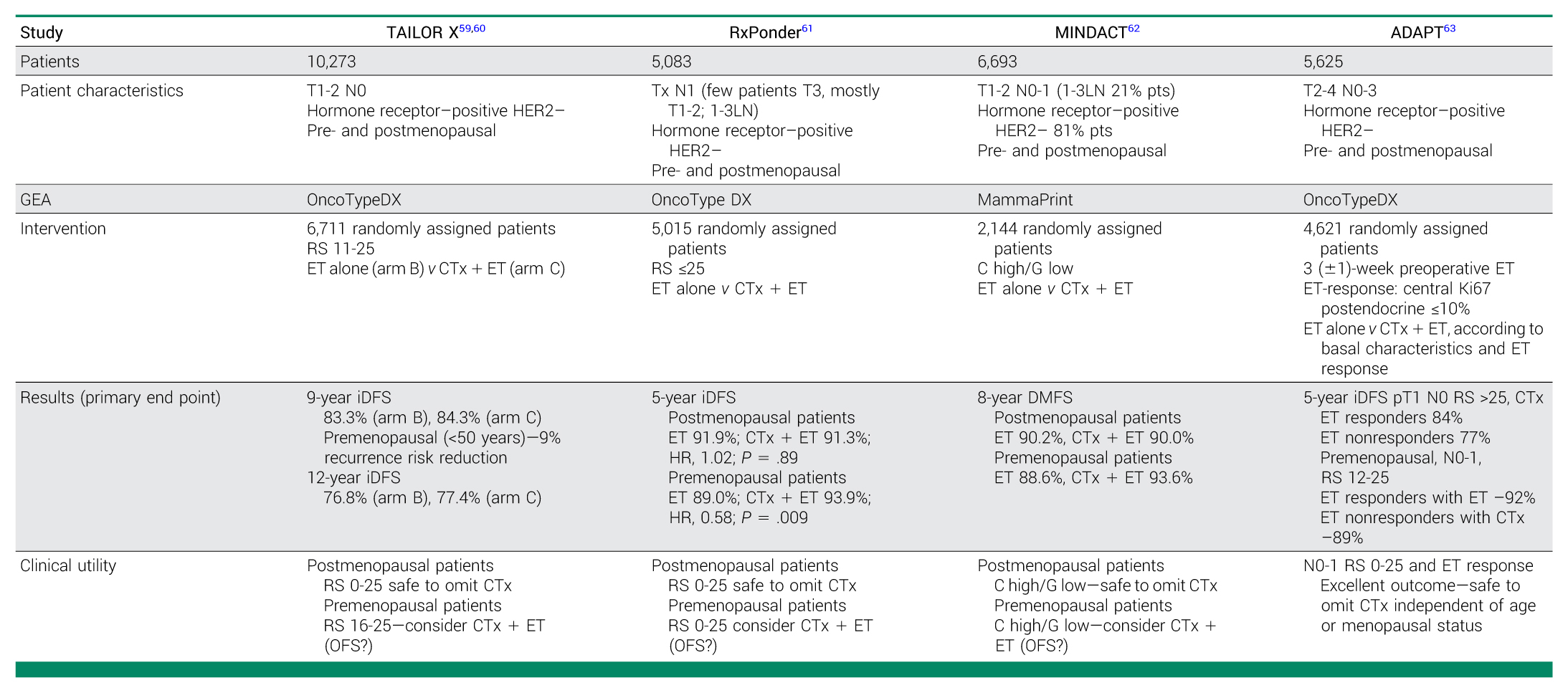
Table 4. Validation of First-Generation GEA in Key Prospective Therapy Trials
Abbreviations: C, clinical; CTx, chemotherapy; DMFS, distant metastasis-free survival; ET, endocrine therapy; G, genomic; GEA, gene expression assay; HER2–, human epidermal growth factor receptor 2–negative; HR, hazard ratio; iDFS, invasive disease–free survival; LN, lymph node; OFS, ovarian function supression; RS, Oncotype DX Recurrence Score.
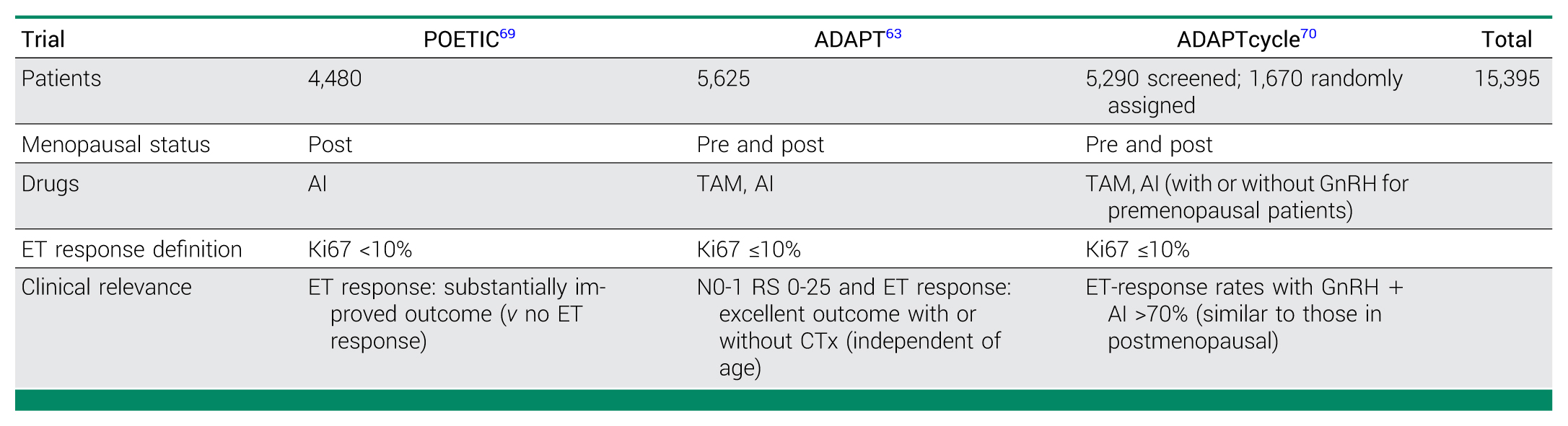
Table 5. Prospective Trials of Endocrine Response Assessment
Abbreviations: AI, aromatase inhibitor; CTx, chemotherapy; ET, endocrine therapy; GnRH, gonadotropin – releasing hormone; RS, Oncotype DX Recurrence Score; TAM, tamoxifen.
GEAs
The concept of GEAs is to test whether genes frequently associated with risk of recurrence in EBC can facilitate the decision on most appropriate treatment. Two of them, Oncotype DX and MammaPrint, have been validated for CTx decision making in patients with up to three involved lymph nodes by prospective therapy trials (Table 4). The landmark trial TAILORx (N = 10,273) randomly assigned N0 patients with intermediate risk score for disease recurrence, as per Oncotype DX (Oncotype DX Recurrence Score [RS], 11-25) to receive either ET alone or CTx followed by ET. The study demonstrated that for postmenopausal patients (older than 50 years at the time of trial enrollment), CTx can be safely avoided, with any RS below 25, whereas in premenopausal patients (age 50 years or younger), CTx may derive benefit for those already with RS 16-25.59 With longer follow-up, noninferiority of the ET arm was maintained, demonstrating almost no difference in event rates, namely, invasive disease-free survival (iDFS), DRFS, and OS, between the arms.60 In the MINDACT trial (N = 6,693), N0-1 patients with discordant risk assessments between traditional clinicopathologic criteria and genomic test result were randomly assigned between ET only and CTx followed by ET. With the noninferior distant metastasis-free survival of patients receiving only ET and only modest absolute benefit of adding CTx (with the benefit again more pronounced in younger women), the trial demonstrated possibility to identify patients who can safely forgo CTx despite high clinical risk features.62 The RxPonder trial (N = 5,083) showed that among node-positive patients (N1, ie, one to three involved lymph nodes), adding CTx to ET did not significantly improve iDFS in postmenopausal women with Oncotype DX RS below 25, whereas premenopausal patients had a notable benefit from the addition of CTx.61 Whether the observed CTx benefit in young women is due to CTx efficacy or rather due to its indirect endocrine effects in patients receiving mostly tamoxifen alone will be addressed by the ongoing OFSET trial (ClinicalTrials.gov identifier: NCT05879926), where premenopausal women are randomly assigned to optimal ET, including ovarian suppression, or CTx followed by ET.64 Finally, the ADAPT trial validated Oncotype DX’s clinical utility by correlating RS with dynamic changes in tumor proliferation after short-term presurgical ET. The trial showed that combining Oncotype DX scores with postendocrine Ki67 response improved risk stratification and identified additional patients who could safely avoid CTx, particularly among premenopausal patients.63 Other, second-generation GEAs, such as PROSIGNA and ENDOPREDICT, have been validated by prospectively planned retrospective analyses of mostly ET trials. These included more than 3,500 node-negative and node-positive pre- and postmenopausal patients from five validation trials (ABCSG 6 and ABCSG 8, GEICAM/9906, TransATAC, the study by Constantinidou et al65) for ENDOPREDICT and over 2,400 patients from two validation studies (Trans-ATAC and ABCSG8) for PROSIGNA.65–68 While ENDOPREDICT includes clinical data in its risk calculation, PROSIGNA focuses more on gene expression and molecular subtype classification. Both predict risk of distant recurrence, up to 10 years, with strong performance especially beyond five years (ENDOPREDICT), and therefore may serve in guiding decisions on extended adjuvant treatment.66
Endocrine Response Assessment
Determination of dynamic Ki67 after short preoperative induction ET is frequently used in drug development, with a Ki67 decrease under ET being associated with endocrine response. The Peri-Operative Endocrine Therapy—Individualising Care (POETIC) trial (N = 4,480) for the first time showed in a large open-label, randomized trial that this Ki67 decrease after induction ET is associated with favorable outcomes in postmenopausal patients with hormone receptor – positive EBC even without adjuvant CTx. While the 2-week preoperative ET per se did not affect patient outcomes, patients whose Ki67 did now drop <10% had a significantly higher risk of recurrence than those with a Ki67 drop to <10% (hazard ratio, 2.10; P < .0001).69 The WSG ADAPT hormone receptor–positive/HER2– trial (N = 2,290 in the ET subtrial) demonstrated that endocrine response assessment by dynamic Ki67 testing is feasible in clinical routine and—when combined with RS—can spare CTx for more than half of patients with up to three involved lymph nodes. The trial is a phase II/III multicenter study, which combined Oncotype DX RS with a presurgical endocrine response (measured by Ki67 after 3 weeks of preoperative ET) to guide therapy decisions. It included patients with hormone receptor–positive/HER2– EBC with both node-negative and node-positive diseases, stratified based on clinical and genomic risk. The trial demonstrated that patients with low RS and a favorable endocrine response (Ki67 ≤10%) could safely avoid CTx, independent of age or menopausal status. As this combined approach was able to identify additional patients who could safely forgo adjuvant CTx, particularly among premenopausal patients, ADAPT highlights the important contribution of functional tumor assessment in treatment decision making and emphasizes importance of combining genomic and dynamic factors for optimal personalized therapy concepts. Patients with an RS of ≤25 and endocrine response had an excellent 5-year distant disease-free survival of >95%, independent of their age, just with ET therapy alone.63 The WSG-ADAPTcycle trial builds on the results of ADAPT and evaluates whether CDK 4/6i + ET can replace CTx followed by ET in patients with intermediate-high clinical risk hormone receptor–positive HER2– EBC selected by combining tumor burden, Oncotype DX results, and endocrine response assessment.70
Combined analysis of the ADAPT and ADAPTcycle trials showed that endocrine response rates according to ET type are quite robust, with about 40% with tamoxifen and 80% with aromatase inhibitor (AI). Interestingly, premenopausal women receiving gonadotropin-releasing hormone (GnRH) + AI have similar endocrine response rates to postmenopausal women with AI.71 Recommended endocrine agents for this short preoperative induction ET are thus AI + GnRH for premenopausal and AI for postmenopausal women; the recommended duration is at least 4 weeks in premenopausal and 2 weeks in postmenopausal women. The overall concordance between local and central Ki67 determination in ADAPTcycle is high, with the highest agreement observed in AI-treated patients.70 This corresponds well with previous observations that the overall agreement between pathologists is highest for low Ki67 levels ≤10%.72 As a reminder, although Ki67 has known variability between centers, the high concordance of identifying endocrine response, that is, low Ki67 between local and central assessments in this context, supports its reliability when standardized protocols are followed. Endocrine response is associated with an improved outcome compared with tumors that did not respond to short preoperative ET (Table 5). In ADAPT, the highest prognostic impact was observed in young premenopausal patients. Given the low additional cost of endocrine response assessment, it is well suited as a prognostic marker in hormone receptor–positive HER2– EBC, particularly for resource-constrained environments. Yet, its highest clinical utility has been shown in the context of gene expression testing in the ADAPT trial. Here, it adds to the information provided by Oncotype DX assessment and enables omission of CTx even in young women with low nodal burden without compromising outcomes (Table 6). Therefore, presurgical endocrine response assessment provides dynamic, functional insights into tumor biology that static genomic or clinical features alone cannot offer. By identifying patients who can safely avoid CTx despite intermediate clinical or genomic risk, this low-cost real-time assessment of endocrine sensitivity adds a layer of precision to treatment decisions, potentially improving outcomes while reducing overtreatment, and provides an inexpensive alternative to genomic testing in situations where GEAs are not available nor reimbursed.
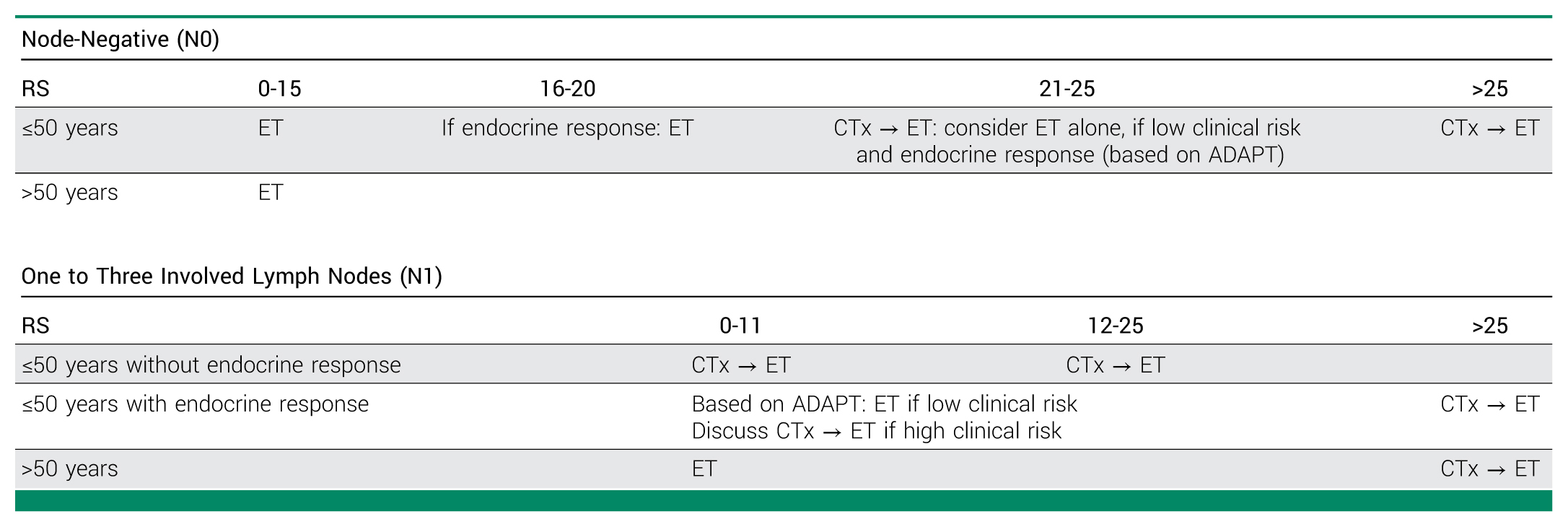
Table 6. Proposed Algorithms for CTx Decision Making in N0 and N1 Hormone Receptor–Positive HER2– EBC Based on the Information From TAILORx,59,60 RxPONDER,61 and ADAPT63
NOTE. Endocrine response assessment: Short preoperative induction ET and determination of Ki67 in the surgical specimen; endocrine response defined as postendocrine Ki67post ≤10%. Recommended induction ET: (1) premenopausal patients: 4 weeks of TAM/AI + GnRH. (2) Postmenopausal patients: 2-4 weeks of AI or TAM. Low clinical risk: tumor size ≤3 cm, grade 1-2, node-negative or micrometastatic (N0 or N1mi). High clinical risk: tumor size >3 cm, or high grade (grade 3), or more than one to three positive nodes, or unfavorable age or receptor profile. Abbreviations: AI, aromatase inhibitor; CTx, chemotherapy; EBC, early-stage breast cancer; ET, endocrine therapy; GnRH, gonadotropin – releasing hormone; HER2–, human epidermal growth factor receptor 2–negative; RS, Oncotype DX Recurrence Score; TAM, tamoxifen.
CLINICAL IMPLICATIONS AND FUTURE DIRECTIONS
De-escalation of axillary surgery has significantly improved patients’ quality of lives without sacrificing oncologic outcomes. However, there are still times when axillary staging is helpful to guide additional therapies. There are still certain gaps that remain in the neoadjuvant systemic therapy and axillary surgery. The results of the Alliance 11202 trial investigating safe omission of ALND with minimal residual disease after neoadjuvant CTx are anxiously being awaited by the surgical community. The debate over de-escalation of postoperative RT after PST remains unresolved, with evidence pointing in both directions. The way forward will require integrating clinical, pathological, and molecular factors into a multifactorial framework, guided by prospective trials and multidisciplinary collaboration, to optimize outcomes while balancing efficacy and toxicity. The safety profile of concurrent RT and systemic therapies depends on multiple factors, including drug halflife, dose schedule, and mechanism of action. Guidelines from the European Society for Radiotherapy and Oncology and other expert panels underscore the importance of tailoring treatment strategies to tumor subtype, treatment goals, and patient characteristics.25 Despite significant advancements, gaps remain in evidence regarding the optimal use of RT with novel systemic therapies. Prospective, randomized trials are crucial to refine sequencing and combination strategies.51 Moreover, research into biomarkers of response and toxicity holds the potential to enable more precise, individualized treatments. Integrating RT with modern systemic therapies requires a multidisciplinary approach to balance the promising synergistic effects against the risk of unique toxicities. Collaborative efforts among all breast cancer specialists, supported by robust clinical evidence, will be essential to optimize treatment strategies and improve patient outcomes while minimizing adverse effects. In hormone receptor–positive/HER2– eBC with limited nodal burden, current clinical trials address the question whether CTx can be replaced by optimal ET in premenopausal patients (OFFSET, PROOFS) or even by a CDK 4/6 inhibitor (ADAPTcycle).64,70 This endocrine-based strategy may ultimately even allow omission of CTx in patients with a larger tumor burden but highly endocrine sensitive disease. In the other subtypes, GEAs have recently been evaluated retrospectively in clinical trial cohorts and are now moving toward prospectively planned clinical trials. An example in HER2+ disease is the HER2DX test which provides both estimation of relapse risk and prediction of pCR probability. It is currently being evaluated in the DEFINITVE trial in 44 centers in seven European countries regarding its clinical validity to allow treatment de-escalation.73 Next to baseline biomarkers, modern de-escalation approaches involve imaging-based early response assessment such as the PHERGAIN trial in HER2+ eBC.52 Given the overall goal of therapy de-escalation, that is, reducing treatment burden without compromising outcomes, all de-escalation concepts need to be evidence-based and validated by prospective clinical trials.
REFERENCES
Bray F, Laversanne M, Sung H, et al: Global cancer statistics 2022: GLOBOCAN estimates of incidence and mortality worldwide for 36 cancers in 185 countries. CA Cancer J Clin 74:229-263, 2024 | |
Early Breast Cancer Trialists’ Collaborative Group: Reductions in recurrence in women with early breast cancer entering clinical trials between 1990 and 2009: A pooled analysis of 155 746 women in 151 trials. Lancet 404:1407-1418, 2024 | |
Halsted WS: I. A clinical and histological study of certain adenocarcinomata of the breast: And a brief consideration of the supraclavicular operation and of the results of operations for cancer of the breast from 1889 to 1898 at the Johns Hopkins Hospital. Ann Surg 28:557-576, 1898 | |
Halsted WS: I. The results of radical operations for the cure of carcinoma of the breast. Ann Surg 46:1-19, 1907 | |
Donker M, van Tienhoven G, Straver ME, et al: Radiotherapy or surgery of the axilla after a positive sentinel node in breast cancer (EORTC 10981-22023 AMAROS): A randomised, multicentre, open-label, phase 3 non-inferiority trial. Lancet Oncol 15:1303-1310, 2014 | |
Giuliano AE, McCall L, Beitsch P, et al: Locoregional recurrence after sentinel lymph node dissection with or without axillary dissection in patients with sentinel lymph node metastases: The American College of Surgeons Oncology Group Z0011 randomized trial. Ann Surg 252:426-433, 2010 | |
Galimberti V, Cole BF, Zurrida S, et al: Axillary dissection versus no axillary dissection in patients with sentinel-node micrometastases (IBCSG 23-01): A phase 3 randomised controlled trial. Lancet Oncol 14:297-305, 2013 | |
Gentilini OD: The SOUND randomized clinical trial results-reply. JAMA Oncol 10:677-678, 2024 | |
Fisher B, Anderson S, Bryant J, et al: Twenty-year follow-up of a randomized trial comparing total mastectomy, lumpectomy, and lumpectomy plus irradiation for the treatment of invasive breast cancer. N Engl J Med 347:1233-1241, 2002 | |
Fisher B, Jeong JH, Anderson S, et al: Twenty-five-year follow-up of a randomized trial comparing radical mastectomy, total mastectomy, and total mastectomy followed by irradiation. N Engl J Med 347:567-575, 2002 | |
Veronesi U, Cascinelli N, Mariani L, et al: Twenty-year follow-up of a randomized study comparing breast-conserving surgery with radical mastectomy for early breast cancer. N Engl J Med 347: 1227-1232, 2002 | |
QKrag DN, Anderson SJ, Julian TB, et al: Sentinel-lymph-node resection compared with conventional axillary-lymph-node dissection in clinically node-negative patients with breast cancer: Overall survival findings from the NSABP B-32 randomised phase 3 trial. Lancet Oncol 11:927-933, 2010 | |
Giuliano AE, Ballman KV, McCall L, et al: Effect of axillary dissection vs no axillary dissection on 10-year overall survival among women with invasive breast cancer and sentinel node metastasis: The ACOSOG Z0011 (Alliance) randomized clinical trial. JAMA 318:918-926, 2017 | |
Bartels SAL, Donker M, Poncet C, et al: Radiotherapy or surgery of the axilla after a positive sentinel node in breast cancer: 10-year results of the randomized controlled EORTC 10981-22023 AMAROS trial. J Clin Oncol 41:2159-2165, 2023 | |
Reimer T, Stachs A, Veselinovic K, et al: Axillary surgery in breast cancer—Primary results of the INSEMA trial. N Engl J Med 392:1051-1064, 2025 | |
Society of Surgical Oncology: Choosing Wisely. 2016. https://www.choosingwisely.org/clinician-lists/ssosentinel-node-biopsy-in-node-negative-women-70-and-over/ | |
Boughey JC, Ballman KV, McCall LM, et al: Tumor biology and response to chemotherapy impact breast cancer-specific survival in node-positive breast cancer patients treated with neoadjuvant chemotherapy: Long-term follow-up from ACOSOG Z1071 (Alliance). Ann Surg 266:667-676, 2017 | |
Kuehn T, Bauerfeind I, Fehm T, et al: Sentinel-lymph-node biopsy in patients with breast cancer before and after neoadjuvant chemotherapy (SENTINA): A prospective, multicentre cohort study. Lancet Oncol 14:609-618, 2013 | |
Boileau JF, Poirier B, Basik M, et al: Sentinel node biopsy after neoadjuvant chemotherapy in biopsy-proven node-positive breast cancer: The SN FNAC study. J Clin Oncol 33:258-264, 2015 | |
de Wild SR, de Munck L, Simons JM, et al: De-escalation of radiotherapy after primary chemotherapy in cT1-2N1 breast cancer (RAPCHEM; BOOG 2010-03): 5-year follow-up results of a Dutch, prospective, registry study. Lancet Oncol 23:1201-1210, 2022 | |
Mamounas EP, Bandos H, White JR, et al: Omitting regional nodal irradiation after response to neoadjuvant chemotherapy. N Engl J Med 392:2113-2124, 2025 | |
Early Breast Cancer Trialists’ Collaborative Group (EBCTCG): Radiotherapy to regional nodes in early breast cancer: An individual patient data meta-analysis of 14 324 women in 16 trials. Lancet 402:1991-2003, 2023 | |
Meattini I, Coles CE, Tramm T, et al: Biomarker-directed radiotherapy in breast cancer: A narrative review. JAMA Oncol 11:329-339, 2025 | |
Corti C, Batra-Sharma H, Kelsten M, et al: Systemic therapy in breast cancer. Am Soc Clin Oncol Educ Book 44:e432442, 2024 | |
Meattini I, Becherini C, Caini S, et al: International multidisciplinary consensus on the integration of radiotherapy with new systemic treatments for breast cancer: European Society for Radiotherapy and Oncology (ESTRO)-endorsed recommendations. Lancet Oncol 25:e73-e83, 2024 | |
Cortazar P, Zhang L, Untch M, et al: Pathological complete response and long-term clinical benefit in breast cancer: The CTNeoBC pooled analysis. Lancet 384:164-172, 2014 | |
von Minckwitz G, Untch M, Blohmer JU, et al: Definition and impact of pathologic complete response on prognosis after neoadjuvant chemotherapy in various intrinsic breast cancer subtypes. J Clin Oncol 30:1796-1804, 2012 | |
Schmid P, Cortes J, Pusztai L, et al: Pembrolizumab for early triple-negative breast cancer. N Engl J Med 382:810-821, 2020 | |
Pusztai L, Denkert C, O’Shaughnessy J, et al: Event-free survival by residual cancer burden with pembrolizumab in early-stage TNBC: Exploratory analysis from KEYNOTE-522. Ann Oncol 35: 429-436, 2024 | |
Schmid P, Cortes J, Dent R, et al: Overall survival with pembrolizumab in early-stage triple-negative breast cancer. N Engl J Med 391:1981-1991, 2024 | |
Masuda N, Lee SJ, Ohtani S, et al: Adjuvant capecitabine for breast cancer after preoperative chemotherapy. N Engl J Med 376:2147-2159, 2017 | |
Tutt ANJ, Garber JE, Kaufman B, et al: Adjuvant olaparib for patients with BRCA1- or BRCA2-mutated breast cancer. N Engl J Med 384:2394-2405, 2021 | |
McArthur HL, Cortés J, Dent RA, et al: Neoadjuvant pembrolizumab + chemotherapy vs placebo + chemotherapy followed by adjuvant pembrolizumab vs placebo for early TNBC: Post hoc analysis of adjuvant radiation therapy in the phase 3 KEYNOTE-522 study. Cancer Res 83, 2023 (suppl 5; abstr PD3-01) | |
Sherry AD, Mayer IA, Ayala-Peacock DN, et al: Combining adjuvant radiotherapy with capecitabine in chemotherapy-resistant breast cancer: Feasibility, safety, and toxicity. Clin Breast Cancer 20: 344-352.e1, 2020 | |
De Santis MC, La Rocca E, Vitullo A, et al: Comment on “combining adjuvant radiotherapy with capecitabine in chemotherapy-resistant breast cancer: Feasibility, safety, and toxicity». Clin Breast Cancer 20:e623-e624, 2020 | |
von Minckwitz G, Procter M, de Azambuja E, et al: Adjuvant pertuzumab and trastuzumab in early HER2-positive breast cancer. N Engl J Med 377:122-131, 2017 | |
von Minckwitz G, Huang CS, Mano MS, et al: Trastuzumab emtansine for residual invasive HER2-positive breast cancer. N Engl J Med 380:617-628, 2019 | |
Aboudaram A, Loap P, Loirat D, et al: Pertuzumab and trastuzumab combination with concomitant locoregional radiotherapy for the treatment of breast cancers with HER2 receptor overexpression. Cancers (Basel) 13:4790, 2021 | |
Ajgal Z, de Percin S, Diéras V, et al: Combination of radiotherapy and double blockade HER2 with pertuzumab and trastuzumab for HER2-positive metastatic or locally recurrent unresectable and/or metastatic breast cancer: Assessment of early toxicity. Cancer Radiother 21:114-118, 2017 | |
Bellon JR, Tayob N, Yang DD, et al: Local therapy outcomes and toxicity from the ATEMPT trial (TBCRC 033): A phase II randomized trial of adjuvant trastuzumab emtansine versus paclitaxel in combination with trastuzumab in women with stage I HER2-positive breast cancer. Int J Radiat Oncol Biol Phys 113:117-124, 2022 | |
Krop IE, Im SA, Barrios C, et al: Trastuzumab emtansine plus pertuzumab versus taxane plus trastuzumab plus pertuzumab after anthracycline for high-risk human epidermal growth factor receptor 2-positive early breast cancer: The phase III KAITLIN study. J Clin Oncol 40:438-448, 2022 | |
O’Sullivan CC, Clarke R, Goetz MP, et al: Cyclin-dependent kinase 4/6 inhibitors for treatment of hormone receptor-positive, ERBB2-negative breast cancer: A review. JAMA Oncol 9:1273-1282, 2023 | |
Meattini I, Livi L, Lorito N, et al: Integrating radiation therapy with targeted treatments for breast cancer: From bench to bedside. Cancer Treat Rev 108:102417, 2022 | |
Becherini C, Visani L, Caini S, et al: Safety profile of cyclin-dependent kinase (CDK) 4/6 inhibitors with concurrent radiation therapy: A systematic review and meta-analysis. Cancer Treat Rev 119: 102586, 2023 | |
Kroeze SGC, Pavic M, Stellamans K, et al: Metastases-directed stereotactic body radiotherapy in combination with targeted therapy or immunotherapy: Systematic review and consensus recommendations by the EORTC-ESTRO OligoCare consortium. Lancet Oncol 24:e121-e132, 2023 | |
Cortés J, Kim SB, Chung WP, et al: Trastuzumab deruxtecan versus trastuzumab emtansine for breast cancer. N Engl J Med 386:1143-1154, 2022 | |
Bardia A, Hurvitz SA, Tolaney SM, et al: Sacituzumab govitecan in metastatic triple-negative breast cancer. N Engl J Med 384:1529-1541, 2021 | |
Bouziane J, Loap P, Cao K, et al: Concurrent use of trastuzumab deruxtecan and radiation therapy in HER2-positive and HER2-low metastatic breast cancer: A single-center experience and review of the literature. Am J Clin Oncol 47:580-584, 2024 | |
Chun SJ, Kim K, Kim YB, et al: Risk of radionecrosis in HER2-positive breast cancer with brain metastasis receiving trastuzumab emtansine (T-DM1) and brain stereotactic radiosurgery. Radiother Oncol 199:110461, 2024 | |
Salvestrini V, Kim K, Caini S, et al: Safety profile of trastuzumab-emtansine (T-DM1) with concurrent radiation therapy: A systematic review and meta-analysis. Radiother Oncol 186:109805, 2023 | |
Kaidar-Person O, Meattini I, Boersma LJ, et al: Essential requirements for reporting radiation therapy in breast cancer clinical trials: An international multi-disciplinary consensus endorsed by the European Society for Radiotherapy and Oncology (ESTRO). Radiother Oncol 195:110060, 2024 | |
Pérez-García JM, Cortés J, Ruiz-Borrego M, et al: 3-year invasive disease-free survival with chemotherapy de-escalation using an (18)F-FDG-PET-based, pathological complete response-adapted strategy in HER2-positive early breast cancer (PHERGain): A randomised, open-label, phase 2 trial. Lancet 403:1649-1659, 2024 | |
NCCN breast cancer (2.2025). https://www.nccn.org | |
Loibl S, André; F, Bachelot T, et al: Early breast cancer: ESMO Clinical Practice Guideline for diagnosis, treatment and follow-up. Ann Oncol 35:159-182, 2024 | |
Park-Simon TW, Müller V, Albert US, et al: Arbeitsgemeinschaft gynäkologische onkologie recommendations for the diagnosis and treatment of patients with early breast cancer: Update 2024. Breast Care 19:165-182, 2024 | |
Johnston SRD, Toi M, O’Shaughnessy J, et al: Abemaciclib plus endocrine therapy for hormone receptor-positive, HER2-negative, node-positive, high-risk early breast cancer (monarchE): Results from a preplanned interim analysis of a randomised, open-label, phase 3 trial. Lancet Oncol 24:77-90, 2023 | |
Slamon D, Lipatov O, Nowecki Z, et al: Ribociclib plus endocrine therapy in early breast cancer. N Engl J Med 390:1080-1091, 2024 | |
Garber J: GS1-09: OlympiA: A phase 3, multicenter, randomized, placebo-controlled trial of adjuvant olaparib after (neo)adjuvant chemotherapy in patients w/germline BRCA1 & BRCA2 pathogenic variants & highrisk HER2-negative primary breast cancer: Longerterm follow. Paper presented at San Antonio Breast Cancer Symposium, San Antonio, TX, December 10-14, 2024 | |
Sparano JA, Gray RJ, Makower DF, et al: Adjuvant chemotherapy guided by a 21-gene expression assay in breast cancer. N Engl J Med 379:111-121, 2018 | |
Sparano J, Gray RJ, Makower D, et al: Trial assigning individualized options for treatment (TAILORx): An update including 12-year event rates. Cancer Res 83, 2023 (suppl 5; abstr GS1-05) | |
Kalinsky K, Barlow WE, Gralow JR, et al: 21-gene assay to inform chemotherapy benefit in node-positive breast cancer. N Engl J Med 385:2336-2347, 2021 | |
Piccart M, van’t Veer LJ, Poncet C, et al: 70-gene signature as an aid for treatment decisions in early breast cancer: Updated results of the phase 3 randomised MINDACT trial with an exploratory analysis by age. Lancet Oncol 22:476-488, 2021 | |
Nitz UA, Gluz O, Kümmel S, et al: Endocrine therapy response and 21-gene expression assay for therapy guidance in HR+/HER2– early breast cancer. J Clin Oncol 40:2557-2567, 2022 | |
Evaluating the addition of adjuvant chemotherapy to ovarian function suppression plus endocrine therapy in premenopausal patients with pN0-1, ER-positive/HER2-negative breast cancer and an oncotype recurrence score less than or equal to 25 (OFSET). https://clinicaltrials.gov/study/NCT05879926 | |
Constantinidou A, Marcou Y, Toss MS, et al: Clinical validation of EndoPredict in pre-menopausal women with ER-positive, HER2-negative primary breast cancer. Clin Cancer Res 28:4435-4443, 2022 | |
Sestak I, Martín M, Dubsky P, et al: Prediction of chemotherapy benefit by EndoPredict in patients with breast cancer who received adjuvant endocrine therapy plus chemotherapy or endocrine therapy alone. Breast Cancer Res Treat 176:377-386, 2019 | |
Dowsett M, Sestak I, Lopez-Knowles E, et al: Comparison of PAM50 risk of recurrence score with oncotype DX and IHC4 for predicting risk of distant recurrence after endocrine therapy. J Clin Oncol 31:2783-2790, 2013 | |
Gnant M, Filipits M, Greil R, et al: Predicting distant recurrence in receptor-positive breast cancer patients with limited clinicopathological risk: Using the PAM50 Risk of Recurrence score in 1478 postmenopausal patients of the ABCSG-8 trial treated with adjuvant endocrine therapy alone. Ann Oncol 25:339-345, 2014 | |
Smith I, Robertson J, Kilburn L, et al: Long-term outcome and prognostic value of Ki67 after perioperative endocrine therapy in postmenopausal women with hormone-sensitive early breast cancer (POETIC): An open-label, multicentre, parallel-group, randomised, phase 3 trial. Lancet Oncol 21:1443-1454, 2020 | |
Hamann M, Gluz O, Christgen M, et al: 121P Endocrine response assessment in HR+ HER2- early breast cancer: Concordance of central versus local Ki67 measurements in the ADAPTcycle trial. ESMO Open 9:103109, 2024 | |
Gluz O: Endocrine therapy and ovarian suppression still an effective treatment strategy in HR+, HER2-, early breast cancer. Paper presented at San Antonio Breast Cancer Symposium, San Antonio, TX, December 5-9, 2023 | |
Mengel M, Von Wasielewski R, Wiese B, et al: Inter-laboratory and inter-observer reproducibility of immunohistochemical assessment of the Ki-67 labelling index in a large multi-centre trial. J Pathol 198:292-299, 2002 | |
Tolaney SM, Tung N, Wolff AC, et al: HER2DX genomic test in early-stage HER2-positive breast cancer. ESMO Open 9:103987, 2024 |