
Navigating Treatment Decisions in Early-Stage Hormone Receptor–Positive Breast Cancer
Am Soc Clin Oncol Educ Book. 2026 Jun;46(3):e520488.
OVERVIEW
Treating patients with early-stage hormone receptor–positive, human epidermal growth factor receptor 2–negative breast cancer is increasingly complex, driven by a growing array of therapeutic options, heterogeneous clinical benefit across patient subgroups, and the risk of treatment-related and financial toxicity. Major advances in tumor biology–guided care have improved risk stratification and helped identify patients most likely to benefit from chemotherapy, especially with the use of genomic assays. In this article, we examine key challenges and ongoing controversies in managing this breast cancer subtype, including the use of genomic assays in premenopausal women with node-positive disease, tailoring treatment in locally advanced tumors with favorable biology, and the current and emerging roles of circulating tumor DNA as a prognostic and predictive biomarker.
USE OF GENOMIC SCORES IN NODE-POSITIVE PREMENOPAUSAL DISEASE: WHEN TO TEST AND HOW TO ACT
When and how to use genomic assays in premenopausal women with node-positive breast cancer remains an important clinical question. In patients with node-negative disease, for example, thresholds of the 21-gene recurrence score (RS, Oncotype Dx) that predict chemotherapy benefit in women <50 years differ from those observed in older patients. Nevertheless, in node-negative disease, use of the Oncotype Dx RS does allow many premenopausal patients to avoid chemotherapy if genomic risk is favorable. In contrast, among patients with node-positive disease, premenopausal patients appear to derive benefit from chemotherapy regardless of genomic risk. However, there remains a concern that this empirical approach results in overtreatment for some patients.
In the RxPONDER trial, patients with hormone receptor–positive/human epidermal growth factor receptor 2 (HER2)–cancer with 1-3 lymph nodes were randomly assigned to adjuvant anthracycline- and/or taxane-based chemotherapy plus endocrine therapy versus endocrine therapy alone if their RS was <26.1 In the trial, approximately one third of the 5,083 participants were premenopausal, defined as having a menstrual period within the last 6 months. If patients had not had a period in over 12 months or underwent a bilateral salpingo-oophorectomy, they were classified as postmenopausal. If neither applied, participants were categorized as premenopausal if they were age <50 years. In the trial, the addition of chemotherapy before endocrine therapy was associated with a 4.9% absolute improvement in invasive disease-free survival (IDFS) and 3.3% absolute improvement in distant relapse-free survival (DRFS) at 5 years. Unfortunately, it is unclear from the RxPONDER trial if there is an optimal cutoff to discriminate which premenopausal women do not benefit from chemotherapy. In fact, as a group, premenopausal participants age 50 or younger with a RS 010 benefited from chemotherapy. Thus, the current clinical question is whether all premenopausal patients with node-positive disease benefit from chemotherapy regardless of the results of a genomic assay.
These findings are not dissimilar to the MINDACT trial, which evaluated the utility of the 70-gene MammaPrint assay in patients with node-negative and node-positive breast cancer. In patients with high clinical risk and low genomic risk breast cancer, participants age ≤50 years (also around a third of trial participants) had a 5% improvement in distant metastasis-free survival at 8 years, whereas patients age >50 years did not benefit from chemotherapy. 2 In MINDACT, patients with N1 disease would have been classified as high clinical risk unless they had small (pT1), low-grade tumors.
PRACTICAL APPLICATIONS
- In addition to clinical and pathologic features, genomic assays can help estimate recurrence risk and the potential benefit of chemotherapy, including in premenopausal women with node-positive breast cancer.
- It remains unclear whether all or just a proportion of chemotherapy benefit in premenopausal women with intermediate genomic risk is due to suppression of ovarian function.
- Anatomic risk factors alone are not sufficient for tailoring treatment in hormone receptor–positive, human epidermal growth factor receptor 2–negative early-stage breast cancer.
- Circulating tumor DNA is prognostic but has not achieved clinical utility, as results currently do not inform treatment or improve patient outcomes.
- Ongoing clinical trials will help answer remaining questions in the management of this breast cancer subtype, but until then, clinical judgment and shared decision making should be used to individualize treatment decisions.
There are several important considerations when interpreting these data:
- It is unclear whether the benefit of chemotherapy in premenopausal women is due to a direct effect or a result of ovarian suppression induced by cytotoxic therapy. In RxPONDER, only approximately 16% of participants received ovarian suppression in the endocrine therapy-alone arm, raising concerns that patients might not have received optimal endocrine therapy as demonstrated in the SOFT/TEXT3 and ASTRRA trials,4 where the inclusion of ovarian suppression as a component of adjuvant endocrine therapy decreased the risk of recurrence compared with the use of tamoxifen alone. NRG-BR009 (OFSET) is an ongoing clinical trial designed to address this question, randomly assigning premenopausal women with node-negative breast cancer and RS 16-20 (and high clinical risk) or RS 21-25 as well as node positive with recurrence score <26 to ovarian function suppression (OFS) and aromatase inhibition with or without chemotherapy (ClinicalTrials.gov identifier: NCT05879926).
- The randomized trials evaluating genomic assays were conducted before adjuvant cyclin-dependent kinase 4/6 (CDK4/6) inhibitors were approved. With a median follow-up of 76 months, MONARCH-E demonstrated an overall survival (OS) benefit with the addition of abemaciclib to endocrine therapy (absolute OS improvement 1.8%; IDFS improvement 6.6%).5 A similar signal has emerged in NATALEE: at 55 months of follow-up, adjuvant ribociclib was associated with a 4.5% absolute improvement in 5-year IDFS.6 Notably, most patients enrolled in these studies also received chemotherapy. In addition, CDK4/6 inhibitors appear to confer a comparable relative benefit in both premenopausal and postmenopausal patients.7,8 There are no tumor biomarkers that predict benefit of CDK4/6 inhibition, including RS using an inferred score.9 Taken together, these data suggest that adjuvant CDK4/6 inhibition may reduce the absolute benefit attributable to chemotherapy in early-stage breast cancer (EBC); however, the magnitude of this effect remains uncertain because most participants in MONARCH-E and NATALEE received cytotoxic therapy.
- Younger women may have distinct tumor biology compared with older patients. In a SOFT trial analysis, premenopausal women younger than 40 years were more likely than those older than 40 years to harbor molecular alterations in GATA3, exhibit copy number amplifications, and demonstrate features consistent with homologous recombination deficiency.10 Women younger than 40 years were also more likely to have higher-risk luminal B and nonluminal subtypes, and they experienced worse 10-year DRFS in SOFT; outcomes were inferior even among those with luminal A disease.11 In a separate analysis incorporating TCGA, METABRIC, and SCAN-B cohorts, patients younger than 50 years had lower mRNA expression of ESR1 and other estrogen receptor (ER)–associated genes, alongside higher expression of immune-related genes.12 Collectively, these findings suggest that chemotherapy may provide broader benefit in younger patients, who are more likely to have tumors that are more immunogenic and less hormonally sensitive.
- Measures of baseline ovarian reserve may help identify which premenopausal patients are most likely to benefit from chemotherapy. In RxPONDER, among the 64% of women with anti-Müllerian hormone (AMH) ≥10 pg/mL, IDFS was improved with chemotherapy followed by endocrine therapy versus endocrine therapy alone (hazard ratio [HR], 0.46 [95% CI, 0.33 to 0.65]; adjusted P = .00012).13 In contrast, in the 36% with lower ovarian reserve (AMH <10 pg/mL), chemotherapy did not confer benefit (HR, 1.27 [95% CI, 0.81 to 1.99]; adjusted P = .47).13 These findings suggest that patients closer to natural menopause may derive less benefit from chemotherapy than those with more robust ovarian reserve.
- Beyond genomic risk, clinical and pathologic factors also inform recurrence risk and the potential benefit of chemotherapy. This is reflected in tools that integrate these variables with genomic assays, such as the RSClin score for node-negative disease14 and the RSClinN+ score for patients with 1-3 positive axillary lymph nodes.15 Similarly, clinical risk stratification was incorporated into the design of MINDACT.
Summary and Important Takeaways
The above raises the key clinical question: Can genomic assays be used selectively to refine estimates of chemotherapy benefit in premenopausal patients with node-positive, hormone receptor–positive breast cancer? There is no one-size-fits-all approach, and decision making should incorporate patient preferences and individual perspectives on what constitutes a meaningful benefit from chemotherapy. Below are some suggested considerations when discussing the risk: benefit ratio with a patient.
- In patients with node-negative disease across age groups, a RS >25 is associated with a clear reduction in recurrence risk with chemotherapy. In patients younger than age 50 years, chemotherapy should also be considered for RS >21, and tools such as RSClin (where available) can help refine individualized risk estimates. The OFSET trial includes this population and is evaluating whether chemotherapy can be omitted when optimal endocrine therapy is delivered. If MammaPrint is used, chemotherapy should be recommended for patients with both high clinical risk and high-risk MammaPrint results.
- Although current ASCO guidelines do not recommend using gene expression profiling to guide chemotherapy decisions in premenopausal women with node-positive disease, this remains an active area of investigation. Trials such as OFSET are testing the hypothesis that some patients with node-positive disease but low genomic risk may be able to forgo chemotherapy if treated with ovarian suppression, an aromatase inhibitor, and a CDK4/6 inhibitor.16 In parallel, there is an unmet need to clarify whether tumor biology—and therefore treatment benefit—differs in very young patients (eg, age <40), a group in which greater chemotherapy benefit has been observed.
TREATMENT DECISION MAKING IN LOCALLY ADVANCED, FAVORABLE BIOLOGY BREAST CANCER
Breast cancer prognosis is determined by both tumor biology and anatomic stage. Earlier American Joint Committee on Cancer (AJCC) staging relied solely on anatomic features (tumor size, nodal status, metastases), but outcomes vary widely within the same anatomic stage; for example, low-grade ER/progesterone receptor–positive, HER2-negative tumors have substantially better recurrence and survival outcomes than triple-negative disease even with similar tumor size and nodal burden.
To address this, the AJCC 8th edition (2018) introduced prognostic staging, incorporating biomarkers, histologic grade, and (when available) genomic profiling.17 This led to downstaging of many hormone receptor–positive (and some HER2+) cancers and improved alignment between stage and observed outcomes. For instance, a grade 1-2, T3N1, hormone receptor–positive, HER2-negative tumor would have been stage IIIA in AJCC 7th edition but is stage IB in the 8th edition. This anatomic-prognostic discordance can complicate adjuvant systemic therapy decisions (chemotherapy, endocrine therapy, and CDK4/6 inhibition).
Despite these refinements in prognostic classification, tumor size and nodal burden remain important adverse prognostic factors. Although attempts at treatment deescalation have been successful in some patients with more advanced local disease but favorable biology, there remain many subgroups of breast cancer in which multiple modalities of systemic therapy are recommended irrespective of biology. For example, in patients with N2 and N3 disease, the higher recurrence risk typically results in escalated treatment recommendations, even in the presence of favorable tumor biology. However, in those with node negative or lower burden of nodal involvement, there are data to support the safety of de-escalation of chemotherapy, endocrine therapy selection, and CDK4/6 inhibitors.
The role of adjuvant chemotherapy in hormone receptor–positive, HER2-negative breast cancer has evolved from predominantly an anatomy-driven approach to one increasingly informed by tumor biology and genomic risk stratification. Gene expression profiling has refined prognostication and aided in the identification of patients with limited benefit from chemotherapy, particularly in node-negative and postmenopausal node-positive patients. Below are important takeaways with regards to data from the RxPONDER trial:
- Greater than 40% of participants had pT2-pT3 tumors and > 1/3 had 2-3 positive nodes. There was no signal that larger tumors or greater nodal burden predicted a higher relative chemotherapy benefit in either premenopausal or postmenopausal subgroups, although the small number with three positive nodes limits certainty.1 Favorable biology therefore does not uniformly negate the need for chemotherapy across all clinical contexts.
- RxPONDER showed a statistically significant chemotherapy benefit in participants age ≤50 years who were not postmenopausal, but the absolute benefit was modest.1 When chemotherapy is used, regimen choice should reflect both biologic and anatomic risk: anthracycline/taxane regimens remain standard for higher-risk node-positive hormone receptor–positive/HER2-ER2one receptor-posianthracycline options such as docetaxel/cyclophosphamide (TC) can be considered for deescalation when expected benefit is small and avoiding anthracycline toxicity is a priority.l8,19
Endocrine therapy remains a cornerstone of treatment for hormone receptor–positive, HER2-negative breast cancer, improving disease-free survival and reducing breast cancer-specific mortality across all disease stages.20 In post-menopausal patients, aromatase inhibitors are preferred over tamoxifen based on evidence of modest improvements in disease-free survival and mortality.21 In premenopausal patients, tamoxifen is used routinely in the setting of intact ovarian function; however, OFS should be considered in those with higher-risk disease.
Below are important takeaways from the SOFT and TEXT trials, demonstrating the benefit of OFS in premenopausal patients at a high risk of recurrence.22
- The combined analysis of SOFT/TEXT demonstrated improved disease-free survival and OS with the addition of OFS to tamoxifen or an aromatase inhibitor compared with tamoxifen alone, with higher rates of disease-free survival favoring the aromatase inhibitor–OFS combination.
- The magnitude of benefit was greatest in younger patients (especially <35 years) and those with adverse clinico-pathologic features, including nodal involvement, high grade tumors, and prior receipt of chemotherapy. By contrast, older patients (eg, those older than 50 years) and especially those with low-risk disease derived limited incremental benefit from OFS, supporting a risk-adapted approach to endocrine escalation.
To tailor treatment, a composite risk score was developed from SOFT/TEXT which validated the importance of both anatomic and biologic markers. Specifically, in addition to younger age, larger tumor size and lymph node involvement, histologic grade, estrogen and progesterone receptor expression, and Ki-67 were all identified as markers of differential benefit.23 In clinical practice, these data support selective use of OFS as an endocrine intensification strategy in premenopausal patients with elevated recurrence risk. The greatest benefit from the addition of OFS and for incorporation of an aromatase inhibitor over tamoxifen was in a group of patients with higher-grade tumor, with higher Ki-67 and lower estrogen and progesterone expression highlighting the importance of tumor biology in decision making. Rather than a uniform recommendation, OFS should be recommended most appropriately in patients with adverse clinicopathologic features, while avoidance of OFS in lower-risk patients minimizes treatment-related toxicity without compromising outcomes. This risk-stratified approach aligns with contemporary guideline recommendations and reinforces the central role of endocrine optimization in hormone receptor–positive disease.24,25
Beyond treatment selection, the duration of adjuvant endocrine therapy can also be an important determinant of long-term outcomes in hormone receptor–positive breast cancer, a subtype characterized by a persistent (often lifelong) risk of recurrence. Randomized trials evaluating extended endocrine therapy have demonstrated that continuation of treatment beyond 5 years further reduces recurrence, but no impact on OS has been established. Patients with anatomic risk factors such as larger tumor size and lymph node involvement had the greatest absolute benefit from treatment presumably because of their higher risk of recurrence overall.26–28 However, more recent data using multigene signatures have allowed for the identification of patients who are at the greatest risk of late recurrence and thereby likely to derive greater benefit from extended therapy. This includes patients with low (but not ultra-low) risk determined by MammaPrint, those with intermediate or high-risk scores, but high estrogen gene expression determined by Oncotype DX and those with a high score from the Breast Cancer Index (linear model).29–31 Accordingly, decisions regarding endocrine therapy duration can be individualized based not only on anatomic risk factors but also on biologic characteristics and allowing a more favorable trade-off between cancer risk reduction and treatment safety and tolerability.
Despite optimal endocrine therapy, patients with higher-risk hormone receptor–positive, HER2-negative breast cancer have a higher and persistent risk of recurrence, prompting investigation of additional biologic escalation strategies. Adjuvant CDK4/6 inhibition has emerged as an effective approach to further reduce recurrence risk in selected higher-risk patients.
Below are key summaries from trials demonstrating the benefit of adjuvant CDK4/6 inhibition:
- MonarchE: Adding abemaciclib to standard endocrine therapy improved IDFS, DRFS, and OS in patients with clinicopathologically high-risk hormone receptor–positive, HER2-negative early breast cancer (risk defined largely by nodal burden and adverse features).5 Early signals suggested OS benefit was concentrated in tumors with high Ki-67 (≥20%), but subsequent analyses showed benefit regardless of Ki-67, leading the US Food and Drug Administration to broaden approval to patients with ≥4 positive nodes, or 1-3 nodes plus grade 3 disease, tumor size >5 cm, or Ki-67 ≥20%. In the first adequately powered OS analysis, Ki-67 again appeared to modify benefit: higher Ki-67 was associated with greater relative—and therefore larger absolute—OS gains (median approximately 7-year follow-up: ITT absolute OS benefit 1.8%; among patients with ≥4 nodes, 4.7% if Ki-67 high v 1.0% if Ki-67 low, Fig 1).5,32 This suggests Ki-67 may help identify patients with greater abemaciclib benefit beyond anatomic risk.5,32
- NATALEE: This trial enrolled a broader stage II to III population, including selected clinically high-risk node-negative tumors (eg, T3N0, or T2N0 with grade 3, Ki-67 ≥20%, or high genomic risk such as Oncotype RS >25). Adding ribociclib to a nonsteroidal aromatase inhibitor improved IDFS (with similar benefits for DRFS). Biology appeared to matter: Because node-negative patients were enriched for adverse features, their control-arm outcomes were similar to those with 1-3 positive nodes, and ribociclib’s relative benefit was comparable across these groups—suggesting poor biology may help identify patients most likely to benefit.33
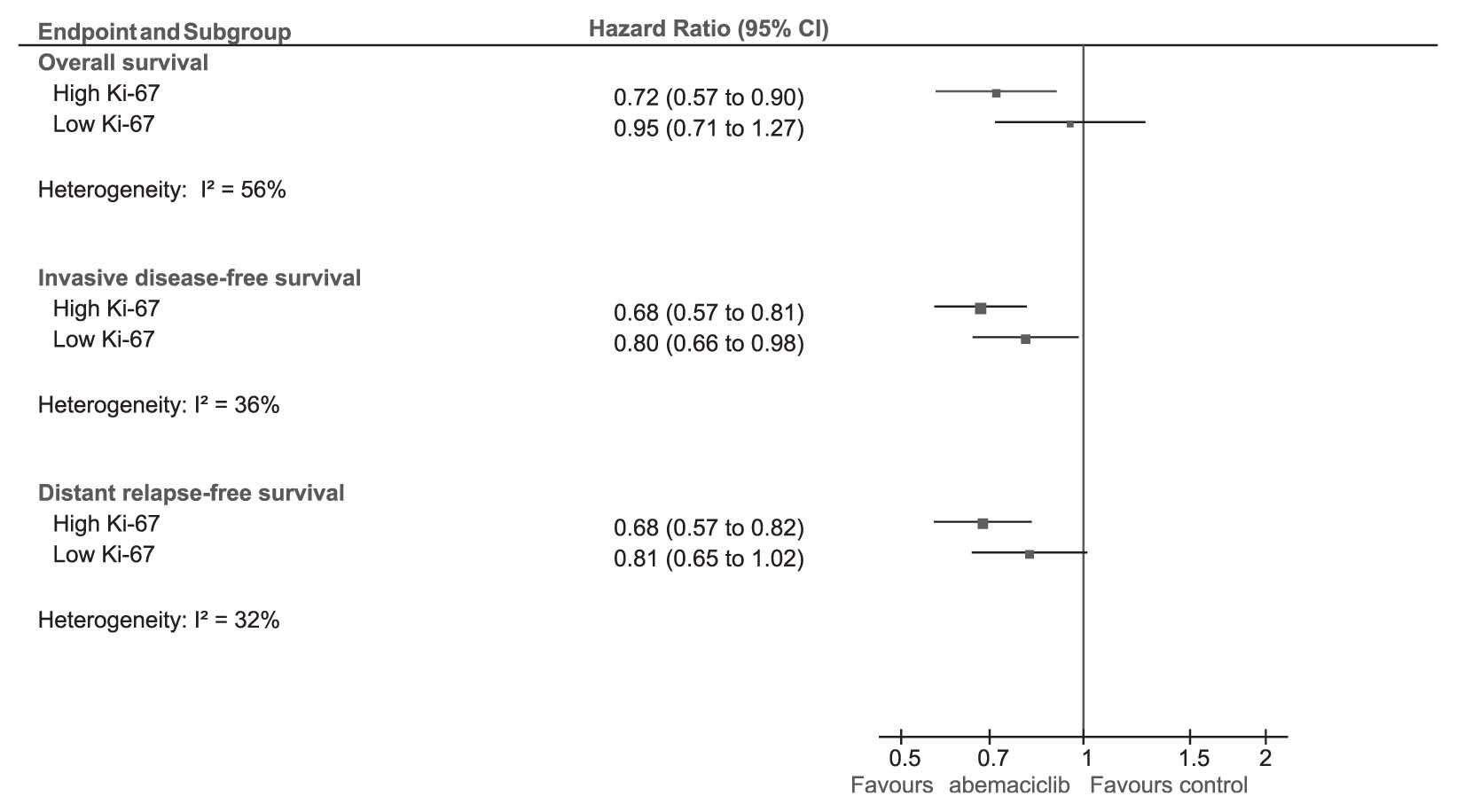
Fig 1. Efficacy by Ki-67 status in the monarchE trial.
Collectively, these data support that while treatment benefits those with more advanced anatomic stage (eg, N2 or N3 disease), the greatest benefit is seen if biologic risk (eg, Ki-67) is also high. Among those with less advanced anatomic stage, meaningful benefit may be limited to those with poor biology.
SUMMARY AND IMPORTANT TAKEAWAYS
The above raises the key clinical question: How should anatomic risk factors influence clinical decision making around neo/adjuvant systemic therapy recommendations in early-stage hormone receptor–positive, HER2-negative breast cancer? There is now a substantial evidence base that anatomic risk factors alone are not sufficient for tailoring treatment. Below are some suggested considerations in considering clinical recommendations:
- Although there is a paucity of data to support deescalation in patients with the most locally advanced anatomic stage (eg, N2 or N3 disease) and among these patients treatments will continue to include chemotherapy, escalated endocrine therapy and consideration of adjuvant CDK4/6 inhibitors, biologic risk factors can be used to estimate absolute benefit and allow for more tailored decision making such as the role of anthracyclines and adjuvant CDK4/6 inhibitors.
- In those with less locally advanced disease, tumor biology can aid in decisions for escalation of endocrine therapy such as the inclusion of OFS in premenopausal women as well as the role of extended adjuvant endocrine therapy. A suggested treatment decision algorithm is shown in Figure 2. Data from the OPTIMA and RxFINE-low trials are eagerly anticipated and should provide valuable data to address this area of unmet need.34,35
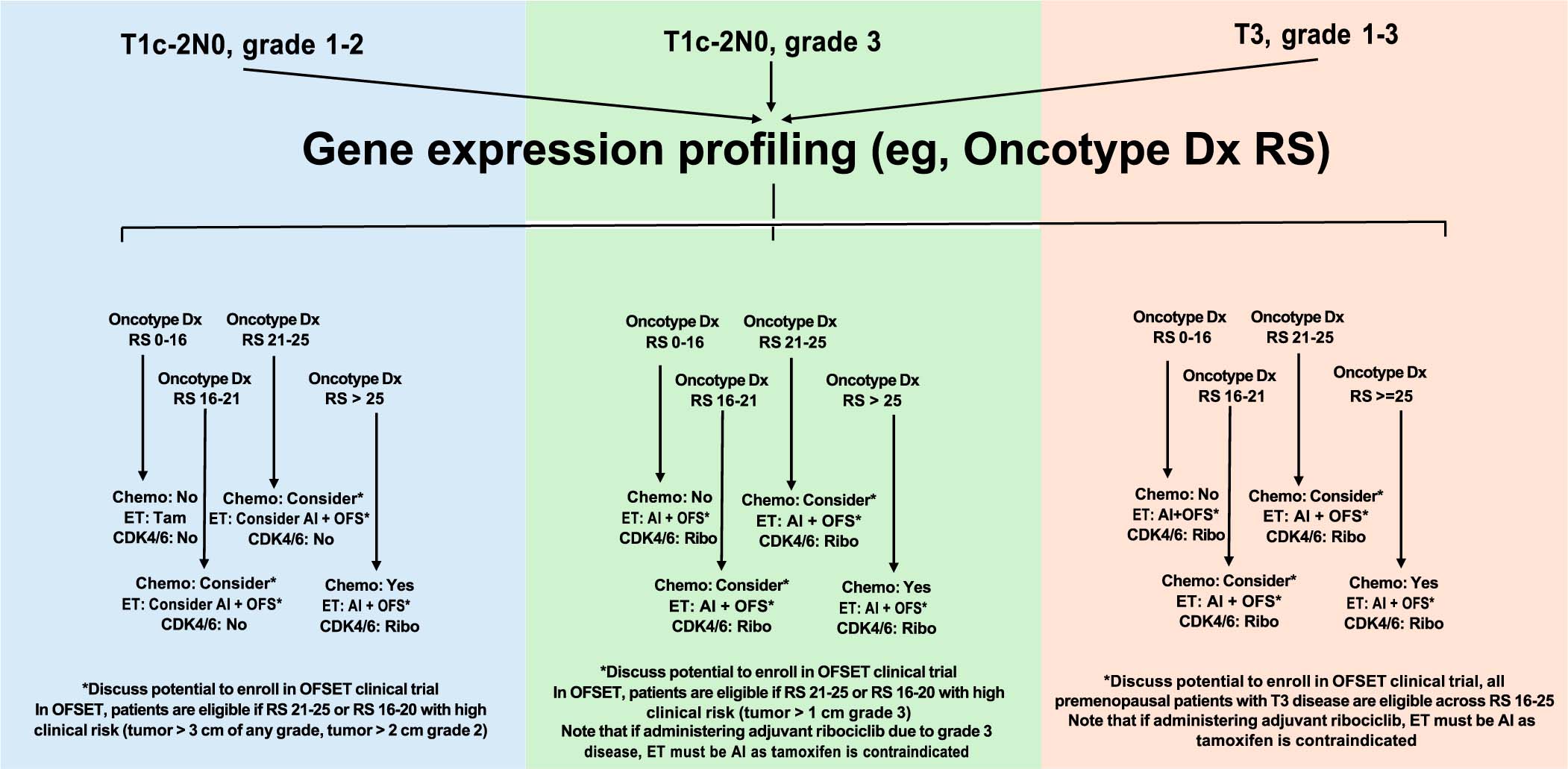
Fig 2. Node-negative treatment algorithm. AI, aromatase inhibitor; ET, endocrine therapy; OFS, ovarian function suppression; RS, Recurrence Score.
CIRCULATING TUMOR DNA SURVEILLANCE IN EARLY BREAST CANCER: HANDLING REQUESTS AND RESULTS
In 1948, French scientists Mandel and Métais first identified cell-free DNA in the sera of patients with cancer, an observation that laid the groundwork for subsequent research on detecting cancer through analysis of blood, a technique now commonly known as liquid biopsy.36 Tumors shed circulating tumor DNA (ctDNA), a subset of cell-free DNA, into the bloodstream. With a short half-life of only 1-2 hours, ctDNA serves as a dynamic and noninvasive snapshot of tumor activity, making it a promising tool for monitoring cancer progression and recurrence.37
In metastatic breast cancer, ctDNA is routinely used to detect actionable alterations that guide later-line therapy. In hormone receptor–positive, HER2-negative disease progressing after endocrine therapy plus a CDK4/6 inhibitor, ctDNA can identify mutations in genes such as ESR1 or PIK3CA, enabling targeted treatment options (eg, oral SERDs, PI3K/AKT inhibitors) in the second-line endocrine therapy setting.38–41 Other novel potential uses of ctDNA in metastatic disease include monitoring for molecular evidence of disease progression in advance of overt radiographic progression, as was employed in the SERENA-6 trial, where there was an observed improvement in PFS for those randomly assigned to switching systemic therapy to camizestrant plus continued CDK4/6 inhibition upon detection of an ESR1 mutation.42,43 Although the potential role for early treatment switching on molecular progression is still evolving, there is a clearly established role in using ctDNA to identify actionable genomic targets to inform future systemic therapy upon radiographic or clinical evidence of progressive disease.
Although ctDNA analysis has a well-established role in metastatic breast cancer, its clinical utility for monitoring patients with EBC remains less clear. Detecting ctDNA in EBC poses technical challenges because of the lower tumor burden compared with metastatic disease, necessitating the development of highly sensitive minimal residual disease (MRD) assays. Recent advances have improved assay sensitivity, decreasing the limit of detection from 100 ppm to as low as 1-10 ppm.44,45 Generally, clinically available ctDNA tests are categorized as either tumor informed, which develop personalized assays on the basis of mutations identified through sequencing the primary tumor, or tumor agnostic, which do not require prior tumor tissue analysis, often incorporate methylation analysis and can detect emergent mutations developing as a mechanism of resistance to therapy.46 Although the clinical utility of ctDNA monitoring in EBC is still being established, the analytical and clinical validity of these assays has been demonstrated.
Notably, ctDNA detection in patients receiving adjuvant therapy for EBC is strongly associated with an increased risk of disease recurrence, underscoring the prognostic significance of this biomarker. For example, in a subset analysis of MonarchE ctDNA was assessed with the tumor-informed Signatera assay at baseline and 3, 6, and 24 months on study. Patients who remained ctDNA negative had far fewer IDFS events (15%) than those ctDNA positive at any time (87%); among ctDNA-positive patients, the median time from first detection to an IDFS event was approximately 10 months, highlighting ctDNA’s strong prognostic value. Only 17% were ctDNA positive at any point, suggesting ctDNA detection was uncommon even in this high-risk cohort and that higher-sensitivity assays may be needed to meaningfully impact outcomes.47
Given ctDNA’s prognostic value, multiple prospective studies have asked whether starting treatment at the time of ctDNA detection before radiographic relapse can prevent or delay recurrence. To our knowledge, to date, trials in triplenegative breast cancer (TNBC) have not demonstrated clinical benefit, largely because ctDNA is often not detected sufficiently early to enable truly preemptive therapeutic intervention. Key studies include the following:
- c-TRAK TN: High-risk patients with residual disease after neoadjuvant chemotherapy for TNBC underwent ctDNA testing every 3 months for up to 18 months.48 If ctDNA was detected without radiographic disease, patients were randomly assigned 2:1 to pembrolizumab vs observation. However, 72% of ctDNA-positive patients already had metastatic disease on imaging, limiting the ability to evaluate early intervention and highlighting the need for more sensitive assays.49
- ZEST: This trial evaluated niraparib (PARP inhibitor) initiated at ctDNA detection in patients without radiographic evidence of disease.50 It closed early for futility: Only 7.7% had detectable ctDNA during monitoring, and 49% of those already had metastatic disease on imaging at detection, rendering them ineligible for niraparib.
Beyond post-treatment surveillance, there is increasing interest in using ctDNA dynamics during and after neoadjuvant therapy (NAT) to refine recurrence risk beyond what residual disease at surgery alone can provide. In a recent real-world study using a highly sensitive tumor-informed assay, ctDNA was detectable at baseline in 77.2% (88/114) of patients starting NAT, with lower detection in hormone receptor–positive tumors than in TNBC.45 Persistent ctDNA partway through treatment was strongly associated with recurrence, and postoperative ctDNA had a 100% positive predictive value for recurrence with a median lead time of 374 days. Additional key studies include the following:
- I-SPY2: Evaluated ctDNA dynamics in high-risk hormone receptor–positive, HER2-negative, and TNBC during NAT. ctDNA positivity was consistently higher in TNBC. In early-stage TNBC, ctDNA clearance by 3 weeks predicted better outcomes, a pattern not clearly seen in hormone receptor–positive disease. Notably, ctDNA negativity after NAT was associated with excellent prognosis even among patients with substantial residual disease, suggesting ctDNA may outperform residual cancer burden for risk stratification.51
- PREDICT-DNA (TBCRC040): In HER2-positive and triple-negative early breast cancer, post-NAT ctDNA status provided more informative prognostic stratification than residual cancer burden, supporting ctDNA as a potential tool to guide adjuvant escalation and de-escalation strategies.52
With ctDNA now well established as a strong prognostic biomarker in EBC, the key next step is determining whether ctDNA-guided changes in systemic therapy can improve outcomes—or support safe de-escalation to reduce toxicity. Ongoing trials include the following:
- DARE: Patients with hormone receptor–positive, HER2-negative early breast cancer on adjuvant endocrine therapy undergo Signatera MRD testing every 4-6 months. If ctDNA is detected and imaging shows no metastases, patients are randomly assigned to continue current therapy or switch to fulvestrant plus palbociclib. ctDNA clearance was 63% in the experimental arm, but 22% of controls also cleared ctDNA without a therapy change, so the clinical meaning of clearance remains uncertain until further data are available.53
- LEADER: Evaluates adding ribociclib to standard endocrine therapy when ctDNA becomes detectable; prior CDK4/6 inhibitor use is allowed if completed ≥12 months before enrollment.54
- TREAT-ctDNA: Randomly assigns patients with hormone receptor–positive/HER2- early breast cancer who are ctDNA-positive but imaging-negative to elacestrant (oral SERD) versus standard endocrine therapy.55
Notably, the above studies focus on patients with luminal breast cancer, which typically have a lower risk of early relapse compared to TNBC or HER2-positive disease. This population may be particularly well-suited for studies involving a switch in adjuvant systemic therapy at the time of molecular relapse, as they are less likely to have clinically detectable disease at ctDNA positivity—a factor that has previously hindered accrual in similar trials. Of note, with the recent presentation of the lidERA study, demonstrating that use of the oral SERD giredestrant in the adjuvant setting resulted in a 30% reduction in the risk of invasive recurrence or death over standard endocrine therapy, we anticipate that oral SERDs may be used routinely for those at high risk of recurrence in the future, limiting options for a switch to an alternative form of endocrine therapy in the event of ctDNA detection.56
Many critical questions remain for future clinical trials involving ctDNA in EBC. Beyond guiding escalation of therapy, an important consideration is whether patients who clear ctDNA after neoadjuvant systemic therapy could be candidates for de-escalation of adjuvant therapy, regardless of their pathologic complete response status. For example, findings from the MonarchE trial suggest that only 5% of patients prescribed abemaciclib based on trial eligibility criteria benefit from treatment.5 Incorporating ctDNA surveillance could help reduce overtreatment, identifying patients who may safely avoid additional therapy. Conversely, patients who do not clear ctDNA after NAT may be eligible for studies targeting those at the highest risk of recurrence, including trials of molecularly targeted agents matched to the specific mutations detected. It will be essential for future research in this field to integrate molecular therapies and personalized, actionable targets.
Summary and Important Takeaways
The above raises the key clinical question: Should oncologists be routinely ordering ctDNA testing for patients with early-stage breast cancer? This question has become increasingly relevant with patients often expressing desire to have this testing following the Center for Medicare and Medicaid Services’ approval of insurance reimbursement for the Signatera MRD assay in stage IIB/III breast cancer of any subtype in 2023. However, until prospective trials demonstrate that ctDNA-guided management meaningfully improves outcomes, ctDNA monitoring should be used cautiously, with tailored patient counseling and adherence to evidence-based practice in this rapidly evolving field. Suggested considerations for oncology providers include the following:
- Prognostic ≠ clinically actionable: Although ctDNA is strongly prognostic, clinical utility for routine surveillance in EBC has not been established, and ctDNA surveillance is not currently endorsed by ASCO or National Comprehensive Cancer Network guidelines.16,57
- Potential harms: A ctDNA-positive result without an available, evidence-based intervention may increase anxiety and could cause harm; quality-of-life effects of intensive monitoring are being studied (eg, SURVIVE trial).58
- Counseling before testing: Before initiating ctDNA surveillance, discuss the patient’s individualized recurrence risk, the limited ability to change therapy outside a clinical trial, and the current lack of evidence that detecting molecular relapse improves long-term outcomes.
REFERENCES
Kalinsky K, Barlow WE, Gralow JR, et al: 21-Gene assay to inform chemotherapy benefit in node-positive breast cancer. N Engl J Med 385:2336-2347, 2021 | |
Piccart M, van ‘t Veer LJ, Poncet C, et al: 70-gene signature as an aid for treatment decisions in early breast cancer: Updated results of the phase 3 randomised MINDACT trial with an exploratory analysis by age. Lancet Oncol 22:476-488, 2021 | |
Pagani O, Walley BA, Fleming GF, et al: Adjuvant exemestane with ovarian suppression in premenopausal breast cancer: Long-term follow-up of the combined TEXT and SOFT trials. J Clin Oncol 41:1376-1382, 2023 | |
Baek SY, Noh WC, Ahn SH, et al: Adding ovarian suppression to tamoxifen for premenopausal women with hormone receptor-positive breast cancer after chemotherapy: An 8-year follow-up of the ASTRRA trial. J Clin Oncol 41:4864-4871, 2023 | |
Johnston S, Martin M, O’Shaughnessy J, et al: Overall survival with abemaciclib in early breast cancer. Ann Oncol 37:155-165, 2025 | |
Crown J, Stroyakovskii D, Yardley DA, et al: Adjuvant ribociclib plus nonsteroidal aromatase inhibitor therapy in patients with HR-positive/HER2-negative early breast cancer: 5-year follow-up of NATALEE efficacy outcomes and updated overall survival. ESMO Open 10:105858, 2025 | |
Paluch-Shimon S, Neven P, Huober J, et al: Efficacy and safety results by menopausal status in monarchE: Adjuvant abemaciclib combined with endocrine therapy in patients with HR+, HER2-, node-positive, high-risk early breast cancer. Ther Adv Med Oncol 15:17588359231151840, 2023 | |
Kalinsky K, Reinisch M, Lu Y-S, et al: Efficacy and safety of ribociclib (RIB) + nonsteroidal aromatase inhibitor (NSAI) in NATALEE: Analysis across menopausal status and age. J Clin Oncol 43:516, 2025 | |
Turner N, Reis-Filho J, Goetz M, et al: Genomic and transcriptomic profiling of primary tumors from patients with HR+, HER2-, node-positive, high-risk early breast cancer in the monarchE trial. Cancer Res 84:GS03-06, 2024 | |
Luen SJ, Viale G, Nik-Zainal S, et al: Genomic characterisation of hormone receptor-positive breast cancer arising in very young women. Ann Oncol 34:397-409, 2023 | |
Brown LC, Luen SJ, Molania R, et al: Evaluation of PAM50 intrinsic subtypes and risk of recurrence (ROR) scores in premenopausal women with early-stage HR+ breast cancer: A secondary analysis of the SOFT trial. J Clin Oncol 41:504, 2023 | |
Qing T, Karn T, Rozenblit M, et al: Molecular differences between younger versus older ER-positive and HER2-negative breast cancers. npj Breast Cancer 8:119, 2022 | |
Kalinsky K, Barlow WE, Pathak HB, et al: Correlation of serum anti-Müllerian hormone (AMH) levels on identification of premenopausal patients (pts) with hormone receptor positive (HR+), HER2-negative, node-positive breast cancer most likely to benefit from adjuvant chemotherapy in SWOG S1007 (RxPONDER). J Clin Oncol 42:505, 2024 | |
Sparano JA, Crager MR, Tang G, et al: Development and validation of a tool integrating the 21-Gene Recurrence Score and clinical-pathological features to individualize prognosis and prediction of chemotherapy benefit in early breast cancer. J Clin Oncol 39:557-564, 2021 | |
Pusztai L, Hoag JR, Albain KS, et al: Development and validation of the RSClinN + tool to predict prognosis and chemotherapy benefit for hormone receptor-positive, node-positive breast cancer. J Clin Oncol 43:919-928, 2025 | |
Andre F, Ismaila N, Allison KH, et al: Biomarkers for adjuvant endocrine and chemotherapy in early-stage breast cancer: ASCO guideline update. J Clin Oncol 40:1816-1837, 2022 | |
Amin MB, Edge SB, Greene FL, et al: Breast—AJCC Cancer Staging Manual. New York, NY, Springer, 2017, pp 589-636 | |
Blum JL, Flynn PJ, Yothers G, et al: Anthracyclines in early breast cancer: The ABC Trials-USOR 06-090, NSABP B-46-I/USOR 07132, and NSABP B-49 (NRG Oncology). J Clin Oncol 35:2647-2655, 2017 | |
Geyer CE, Blum JL, Yothers G, et al: Long-term follow-up of the anthracyclines in early breast cancer trials (USOR 06-090, NSABP B-46-I/USOR 07132, and NSABP B-49 [NRG Oncology]). J Clin Oncol 42:1344-1349, 2024 | |
Davies C, Godwin J, Gray R, et al: Relevance of breast cancer hormone receptors and other factors to the efficacy of adjuvant tamoxifen: Patient-level meta-analysis of randomised trials. Lancet 378:771-784, 2011 | |
Aromatase inhibitors versus tamoxifen in early breast cancer: Patient-level meta-analysis of the randomised trials. Lancet 386:1341-1352, 2015 | |
Francis PA, Pagani O, Fleming GF, et al: Tailoring adjuvant endocrine therapy for premenopausal breast cancer. N Engl J Med 379:122-137, 2018 | |
Pagani O, Francis PA, Fleming GF, et al: Absolute improvements in freedom from distant recurrence to tailor adjuvant endocrine therapies for premenopausal women: Results from TEXT and SOFT. J Clin Oncol 38:1293-1303, 2020 | |
Burstein HJ, Lacchetti C, Anderson H, et al: Adjuvant endocrine therapy for women with hormone receptor-positive breast cancer: American Society of Clinical Oncology clinical practice guideline update on ovarian suppression. J Clin Oncol 34:1689-1701, 2016 | |
Gradishar WJ, Moran MS, Abraham J, et al: Breast cancer, version 3.2024, NCCN clinical practice guidelines in oncology. J Natl Compr Canc Netw 22:331-357, 2024 | |
Davies C, Pan H, Godwin J, et al: Long-term effects of continuing adjuvant tamoxifen to 10 years versus stopping at 5 years after diagnosis of oestrogen receptor-positive breast cancer: ATLAS, a randomised trial. Lancet 381:805-816, 2013 | |
Gray RG, Rea D, Handley K, et al: aTTom: Long-term effects of continuing adjuvant tamoxifen to 10 years versus stopping at 5 years in 6,953 women with early breast cancer. J Clin Oncol 31:5, 2013 | |
Goss PE, Ingle JN, Pritchard KI, et al: Extending aromatase-inhibitor adjuvant therapy to 10 years. N Engl J Med 375:209-219, 2016 | |
van ‘t Veer LJ, Meershoek-Klein Kranenbarg E, Duijm-de Carpentier M, et al: Selection of patients with early-stage breast cancer for extended endocrine therapy: A secondary analysis of the IDEAL randomized clinical trial. JAMA Netw Open 7:e2447530, 2024 | |
Wolmark N, Mamounas EP, Baehner FL, et al: Prognostic impact of the combination of recurrence Score and quantitative estrogen receptor expression (ESR1) on predicting late distant recurrence risk in estrogen receptor-positive breast cancer after 5 years of tamoxifen: Results from NRG Oncology/National Surgical Adjuvant Breast and Bowel Project B-28 and B-14. J Clin Oncol 34:2350-2358, 2016 | |
Sgroi DC, Sestak I, Cuzick J, et al: Prediction of late distant recurrence in patients with oestrogen-receptor-positive breast cancer: A prospective comparison of the breast-cancer index (BCI) assay, 21-Gene Recurrence Score, and IHC4 in the TransATAC study population. Lancet Oncol 14:1067-1076, 2013 | |
Johnston SRD, Toi M, O’Shaughnessy J, et al: Abemaciclib plus endocrine therapy for hormone receptor-positive, HER2-negative, node-positive, high-risk early breast cancer (monarchE): Results from a preplanned interim analysis of a randomised, open-label, phase 3 trial. Lancet Oncol 24:77-90, 2023 | |
Slamon D, Lipatov O, Nowecki Z, et al: Ribociclib plus endocrine therapy in early breast cancer. N Engl J Med 390:1080-1091, 2024 | |
OPTIMA Trial Investigators: Optimal Personalised Treatment of Early Breast Cancer Using Multi-parameter Analysis (OPTIMA), 2026. ISRCTN registry identifier: ISRCTN42400492 | |
RxFINE-Low Trial Investigators: Testing whether hormone therapy with ribociclib is as effective as chemotherapy followed by hormone therapy with ribociclib for the treatment of high anatomic stage breast cancer with low recurrence risk (RxFINE-Low). ClinicalTrials.gov identifier: NCT07391774. ClinicalTrials.gov, 2026 | |
Schwarzenbach H, Hoon DS, Pantel K: Cell-free nucleic acids as biomarkers in cancer patients. Nat Rev Cancer 11:426-437, 2011 | |
Bettegowda C, Sausen M, Leary RJ, et al: Detection of circulating tumor DNA in early- and late-stage human malignancies. Sci Transl Med 6:224ra24, 2014 | |
Bidard FC, Kaklamani VG, Neven P, et al: Elacestrant (oral selective estrogen receptor degrader) versus standard endocrine therapy for estrogen receptor-positive, human epidermal growth factor receptor 2-negative advanced breast cancer: Results from the randomized phase III EMERALD trial. J Clin Oncol 40:3246-3256, 2022 | |
Jhaveri KL, Lim E, Jeselsohn R, et al: Imlunestrant, an oral selective estrogen receptor degrader, as monotherapy and in combination with targeted therapy in estrogen receptor-positive, human epidermal growth factor receptor 2-negative advanced breast cancer: Phase Ia/Ib EMBER study. J Clin Oncol 42:4173-4186, 2024 | |
Andre F, Ciruelos EM, Juric D, et al: Alpelisib plus fulvestrant for PIK3CA-mutated, hormone receptor-positive, human epidermal growth factor receptor-2-negative advanced breast cancer: Final overall survival results from SOLAR-1. Ann Oncol 32:208-217, 2021 | |
Turner NC, Oliveira M, Howell SJ, et al: Capivasertib in hormone receptor-positive advanced breast cancer. N Engl J Med 388:2058-2070, 2023 | |
Bidard FC, Mayer EL, Park YH, et al: First-line camizestrant for emerging ESR1-Mutated advanced breast cancer. N Engl J Med 393:569-580, 2025 | |
Mayer EL, Bidard FC, Park YH, et al: Patient-reported outcomes in the SERENA-6 trial of camizestrant plus CDK4/6 inhibitor in patients with advanced breast cancer and emergent ESR1 mutations during first-line endocrine-based therapy. Ann Oncol 37:180-193, 2026 | |
Coombes RC, Page K, Salari R, et al: Personalized detection of circulating tumor DNA antedates breast cancer metastatic recurrence. Clin Cancer Res 25:4255-4263, 2019 | |
Elliott MJ, Howarth K, Main S, et al: Ultrasensitive detection and monitoring of circulating tumor DNA using structural variants in early-stage breast cancer. Clin Cancer Res 31:1520-1532, 2025 | |
Panet F, Papakonstantinou A, Borrell M, et al: Use of ctDNA in early breast cancer: Analytical validity and clinical potential. NPJ Breast Cancer 10:50, 2024 | |
Loi S, Johnston SRD, Arteaga CL, et al: Prognostic utility of ctDNA detection in the monarchE trial of adjuvant abemaciclib plus endocrine therapy (ET) in HR+, HER2-, node-positive, high-risk early breast cancer (EBC). J Clin Oncol 42:LBA507, 2024 | |
Turner NC, Swift C, Jenkins B, et al: Results of the c-TRAK TN trial: A clinical trial utilising ctDNA mutation tracking to detect molecular residual disease and trigger intervention in patients with moderate- and high-risk early-stage triple-negative breast cancer. Ann Oncol 34:200-211, 2023 | |
Coakley M, Villacampa G Sritharan P, et al: Comparison of circulating tumor DNA assays for molecular residual disease detection in early-stage triple-negative breast cancer. Clin Cancer Res 30: 895-903, 2024 | |
Turner NC, Cescon DW, Loibl S, et al: Abstract OT2-24-02: ZEST: Randomized phase III study evaluating efficacy and safety of niraparib in patients with HER2-negative BRCA-mutated or triple-negative breast cancer with detectable circulating tumor DNA after definitive therapy. Cancer Res 82:OT2-24-02, 2022 | |
Magbanua MJM, Brown Swigart L, Ahmed Z, et al: Clinical significance and biology of circulating tumor DNA in high-risk early-stage HER2-negative breast cancer receiving neoadjuvant chemotherapy. Cancer Cell 41:1091-1102.e4, 2023 | |
Hunter N, Parsons HA, Cope L, et al: Circulating tumor DNA, pathologic response after neoadjuvant therapy, and survival: First results from TBCRC 040 (the PREDICT-DNA trial). J Clin Oncol 43: 1009, 2025 | |
Pusztai L, Scalise CB, Kalashnikova E, et al: Circulating tumor (ct)DNA monitoring of ER+/HER2- high-risk breast cancer during adjuvant endocrine therapy. J Clin Oncol 43:1010, 2025 | |
Spring LM, Scarpetti L, Medford AJ, et al: Adjuvant endocrine therapy with cyclin-dependent kinase 4/6 inhibitor, ribociclib, for localized hormone receptor-positive/HER2- breast cancer (LEADER). NPJ Breast Cancer 11, 2025 | |
Ignatiadis M, Saloustros E, Joaquim A, et al: 338TiP EORTC-2129-BCG: Elacestrant for treating ER+/HER2- breast cancer patients with ctDNA relapse (TREAT ctDNA). Ann Oncol 35:S355-S356, 2024 | |
Bardia A, Schmid P, Martin M, et al: Giredestrant vs standard-of-care endocrine therapy as adjuvant treatment for patients with estrogen receptor-positive, HER2-negative early breast cancer: Results from the global phase III lidERA Breast Cancer trial. SABCS, 2025. Abstract GS1-10. Presented December 10, 2025 | |
Gradishar WJ, Moran MS, Abraham J, et al: NCCN Guidelines ® Insights: Breast cancer, version 5.2025. J Natl Compr Canc Netw 23:426-436, 2025 | |
Pfister K, Huesmann S, Friedl TWP, et al: The SURVIVE study: Liquid biopsy guided surveillance after intermediate- to high-risk early breast cancer. J Clin Oncol 42:TPS620, 2024 |