
Global Oncology: Tackling Disparities and Promoting Innovations in Low- and Middle-Income Countries
Am Soc Clin Oncol Educ Book. 2025 Jun;45(3):e473930.
OVERVIEW
Global cancer incidence is projected to rise dramatically, with over 35 million new cases anticipated by 2050, disproportionately affecting low- and middle-income countries (LMICs) where up to 70% of cancer deaths are expected to occur. This manuscript provides an in-depth assessment of the structural, economic, and sociocultural barriers that drive cancer care disparities in LMICs, including limited access to prevention, diagnosis, treatment, and palliative care services. Key challenges include shortages in oncology workforce, diagnostic infrastructure, radiotherapy access, and participation in clinical trials. Socioeconomic inequities, stigma, and high out-of-pocket costs further exacerbate delayed care and poor outcomes. Some innovative interventions have improved access and quality of cancer care in resource constrained settings. These include task-shifting models, digital health tools, community-based awareness and screening programs, and South-South collaborations that foster local drug innovation and manufacturing. It also explores emerging strategies in precision medicine, AI-assisted decision making, and tele-oncology tailored to LMICs. The role of public-private partnerships, sustainable financing, and international collaborations in advancing cancer control is critically examined. The future of global oncology hinges on a shift from fragmented, reactive responses to coordinated, data-driven, and sustainable strategies. By strengthening health systems and embracing context-sensitive innovation, the global community can address the widening cancer care gap and improve outcomes for vulnerable populations worldwide.
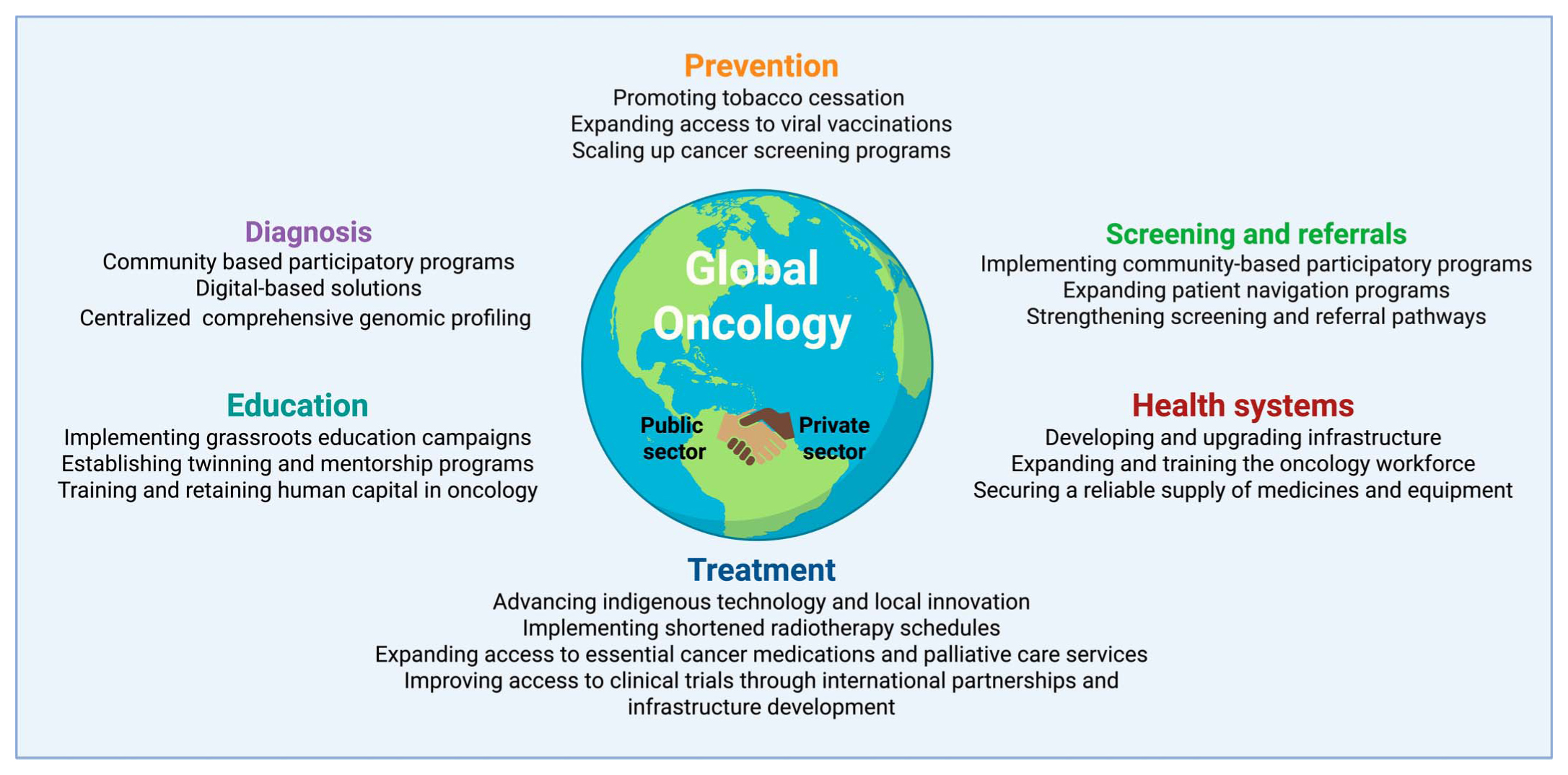
Fig 1. Overview of essential domains for implementing comprehensive global oncology strategies with human impact.
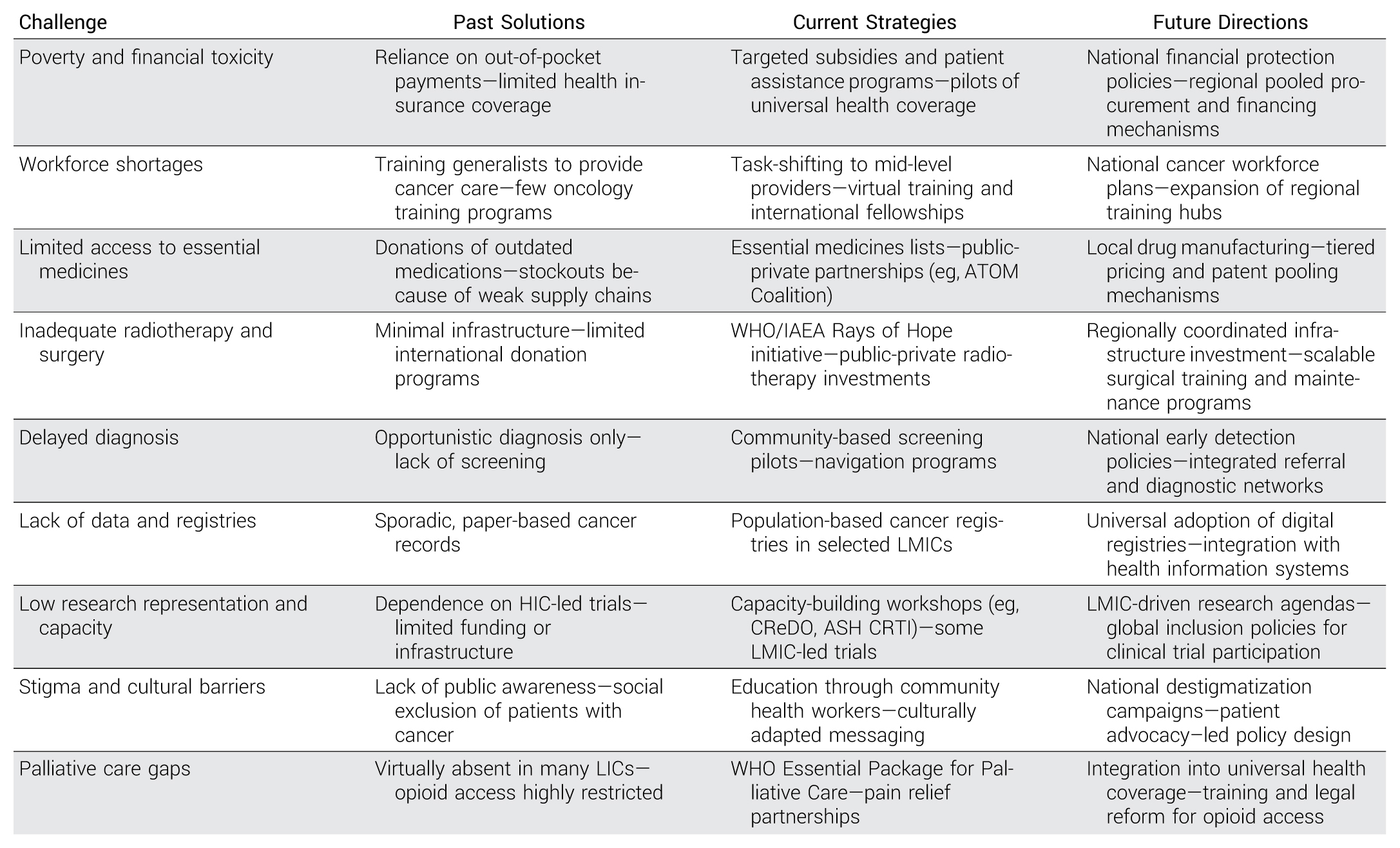
Table 1. Main Challenges in Global Oncology and How They are Being Addressed Over Time
Abbreviations: ASH CRTI, American Society of Hematology Clinical Research Training Institute; ATOM, Access to Oncology Medicines; CReDO, International Collaboration for Research Methods Development in Oncology; HICs, high-income countries; LMICs, low- and middle-income countries; LICs, low-income countries; WHO/IAEA, World Health Organization/International Atomic Energy Agency.
REFERENCES
1. | Bray F, Laversanne M, Sung H, et al: Global cancer statistics 2022: GLOBOCAN estimates of incidence and mortality worldwide for 36 cancers in 185 countries. CA Cancer J Clin 74:229-263, 2024 |
2. | Abuali I, Mathew A, Rugengamanzi E, et al: Guiding principles for community building in global oncology. Am Soc Clin Oncol Educ Book 44:e100045, 2024 |
3. | Pramesh CS, Badwe RA, Bhoo-Pathy N, et al: Priorities for cancer research in low- and middle-income countries: A global perspective. Nat Med 28:649-657, 2022 |
4. | Barrios CH: Global challenges in breast cancer detection and treatment. Breast (Edinburgh, Scotland) 62:S3-S6, 2022 (suppl 1) |
5. | Cervical Cancer. https://www.who.int/news-room/fact-sheets/detail/cervical-cancer |
6. | Howard SC, Zaidi A, Cao X, et al: The my child matters programme: Effect of public–private partnerships on paediatric cancer care in low-income and middle-income countries. Lancet Oncol 19: e252-e266, 2018 |
7. | Knaul FM, Arreola-Ornelas H, Rodriguez NM, et al: Avoidable mortality: The core of the global cancer divide. JCO Glob Oncol 10.1200/JGO.17.00190 |
8. | Martinez ME, Schmeler KM, Lajous M, et al: Cancer screening in low- and middle-income countries. Am Soc Clin Oncol Educ Book 44:e431272, 2024 |
9. | Borda H, Bloem P, Akaba H, et al: Status of HPV disease and vaccination programmes in LMICs: Introduction to special issue. Vaccine 42:S1-S8, 2024 |
10. | Willie MM: Examining the scarcity of oncology healthcare providers in cancer management: A case study of the Eastern Cape Province, South Africa. Open Health 6:20250058, 2025 |
11. | Cassim S, Chepulis L, Keenan R, et al: Patient and carer perceived barriers to early presentation and diagnosis of lung cancer: A systematic review. BMC Cancer 19:25, 2019 |
12. | Sullivan R, Alatise OI, Anderson BO, et al: Global cancer surgery: Delivering safe, affordable, and timely cancer surgery. Lancet Oncol 16:1193-1224, 2015 |
13. | Trapani D, Murthy SS, Boniol M, et al: Distribution of the workforce involved in cancer care: A systematic review of the literature. ESMO Open 6:100292, 2021 |
14. | Omotoso O, Teibo JO, Atiba FA, et al: Addressing cancer care inequities in sub-Saharan Africa: Current challenges and proposed solutions. Int J Equity Health 22:189, 2023 |
15. | Mathew A: Global survey of clinical oncology workforce. JCO Glob Oncol 10.1200/JGO.17.00188 |
16. | Cotache-Condor C, Rice HE, Schroeder K, et al: Delays in cancer care for children in low-income and middle-income countries: Development of a composite vulnerability index. Lancet Glob Health 11:e505-e515, 2023 |
17. | Coudry RA, Assis EACP, Frassetto FP, et al: Crossing the Andes: Challenges and opportunities for digital pathology in Latin America. J Pathol Inform 15:100369, 2024 |
18. | Banda G, Mackintosh M, Njeru MK, et al (eds): Cancer Care in Pandemic Times: Building Inclusive Local Health Security in Africa and India. Cham, Switzerland, Springer International Publishing, 2024 |
19. | Barrios C, de Lima Lopes G, Yusof MM, et al: Barriers in access to oncology drugs—A global crisis. Nat Rev Clin Oncol 20:7-15, 2023 |
20. | Mitchell AP, Tabatabai SM, Dey P, et al: Association between clinical value and financial cost of cancer treatments: A cross-sectional analysis. J Natl Compr Canc Netw 18:1349-1353, 2020 |
21. | Zubizarreta EH, Fidarova E, Healy B, et al: Need for radiotherapy in low and middle income countries—The silent crisis continues. Clin Oncol 27:107-114, 2015 |
22. | Laskar SG, Sinha S, Krishnatry R, et al: Access to radiation therapy: From local to global and equality to equity. JCO Glob Oncol 10.1200/GO.21.00358 |
23. | Atun R, Jaffray DA, Barton MB, et al: Expanding global access to radiotherapy. Lancet Oncol 16:1153-1186, 2015 |
24. | Ramashia PN, Nkosi PB, Mbonane TP: Barriers to radiotherapy access in sub-Saharan Africa for patients with cancer: A systematic review. Int J Environ Res Public Health 21:1597, 2024 |
25. | Sarria GR, Martinez DA, Li B, et al: Leveling up the access to radiation therapy in Latin America: Economic analysis of investment, equity, and inclusion opportunities up to 2030. Int J Radiat Oncol Biol Phys 116:448-458, 2023 |
26. | Penido Mendes de Sousa CF, Pasetsky J, Marta GN, et al: Smart solutions to address the global gap in radiation oncology through trainee engagement and partnerships with industry. Hematol Oncol Clin North Am 38:217-228, 2024 |
27. | Saunders AC, Mutebi M, Rao TS: A review of the current state of global surgical oncology and the role of surgeons who treat cancer: Our profession’s imperative to act upon a worldwide crisis in evolution. Ann Surg Oncol 30:3197-3205, 2023 |
28. | Rubagumya F, Hopman WM, Gyawali B, et al: Participation of lower and upper middle-income countries in clinical trials led by high-income countries. JAMA Netw Open 5:e2227252, 2022 |
29. | Hamel LM, Penner LA, Albrecht TL, et al: Barriers to clinical trial enrollment in racial and ethnic minority patients with cancer. Cancer Control 23:327-337, 2016 |
30. | Millum J: International clinical research and justice in the belmont report. Perspect Biol Med 63:374-388, 2020 |
31. | Paneru B, Karmacharya A, Makaju S, et al: Socio-economic factors associated with cancer stigma among apparently healthy women in two selected municipalities Nepal. PLOS One 19:e0301059, 2024 |
32. | Hernandez-Fuentes GA, Gómez-Bueno JDD, Pérez-Santos VM, et al: Comparing perspectives on traditional and complementary medicine use in oncology: Insights from healthcare professionals and oncology patients in western Mexico. Curr Oncol 32:71, 2025 |
33. | Sadigh G, Coleman D, Switchenko JM, et al: Treatment out-of-pocket cost communication and remote financial navigation in patients with cancer: A feasibility study. Support Care Cancer 30: 8173-8182, 2022 |
34. | Bhoo-Pathy N, Taylor C, Unger-Saldaña K: Operationalizing patient-centered cancer care in low- and middle-income countries. Cell Rep Med 5:101517, 2024 |
35. | Knaul FM, Farmer PE, Krakauer EL, et al: Alleviating the access abyss in palliative care and pain relief—An imperative of universal health coverage: The Lancet commission report. Lancet (London, England) 391:1391-1454, 2018 |
36. | Peeler A, Afolabi O, Adcock M, et al: Primary palliative care in low- and middle-income countries: A systematic review and thematic synthesis of the evidence for models and outcomes. Palliat Med 38:776-789, 2024 |
37. | Wu S, Chalela P, Ramirez AG: Changes in knowledge and awareness for a community-based cancer screening educational program. Arch Public Health 81:130, 2023 |
38. | Grubbs SS, Polite BN, Carney J, et al: Eliminating racial disparities in colorectal cancer in the real world: It took a village. J Clin Oncol 31:1928-1930, 2013 |
39. | Dalton M, Holzman E, Erwin E, et al: Patient navigation services for cancer care in low-and middle-income countries: A scoping review. PLoS One 14:e0223537, 2019 |
40. | Shah SK, Nakagawa M, Lieblong BJ: Examining aspects of successful community-based programs promoting cancer screening uptake to reduce cancer health disparity: A systematic review. Prev Med 141:106242, 2020 |
41. | Sankaranarayanan R, Nene BM, Shastri SS, et al: HPV screening for cervical cancer in rural India. N Engl J Med 360:1385-1394, 2009 |
42. | Gralow JR, Asirwa FC, Bhatt AS, et al: Recommendations from the ASCO academic global oncology task force. JCO Glob Oncol 10.1200/GO.20.00497 |
43. | Stone GW, Midei M, Newman W, et al: Randomized comparison of everolimus-eluting and paclitaxel-eluting stents: two-year clinical follow-up from the Clinical Evaluation of the Xience V Everolimus Eluting Coronary Stent System in the Treatment of Patients with de novo Native Coronary Artery Lesions (SPIRIT) III trial. Circulation 119:680-686, 2009 |
44. | Hopkins J, Burns E, Eden T: International twinning partnerships: An effective method of improving diagnosis, treatment and care for children with cancer in low-middle income countries. J Cancer Policy 1:e8-e19, 2013 |
45. | Chukwu OA, Nnogo CC, Essue B: Task shifting to nonphysician health workers for improving access to care and treatment for cancer in low- and middle-income countries—A systematic review. Res Soc Adm Pharm 19:1511-1519, 2023 |
46. | Bouchardy C, Rapiti E, Benhamou S: Cancer registries can provide evidence-based data to improve quality of care and prevent cancer deaths. Ecancermedicalscience 8:413, 2014 |
47. | Buteau AC, Castelo-Loureiro A, Barragan-Carrillo R, et al: Disparities in cancer control in Central America and the Caribbean. Hematol Oncol Clin North Am 38:35-53, 2024 |
48. | McElwee F, Cole A, Kaliappan G, et al: Alternative payment models for innovative medicines: A framework for effective implementation. Appl Health Econ Health Policy 10.1007/s40258-025-00960-1 [epub ahead of print on April 2, 2025] |
49. | Mallapaty S: Cutting-edge CAR-T cancer therapy is now made in India—At one-tenth the cost. Nature 627:709-710, 2024 |
50. | Pant B, Goda J, Gota V: Drug development in LMICs: Could the emerging Indian model usher the Southeast Asian region? Lancet Reg Health Southeast Asia 29:100464, 2024 |
51. | Anakwenze Akinfenwa CP, Ibraheem A, Nwankwo K, et al: Emerging use of public-private partnerships in public radiotherapy facilities in Nigeria. JCO Glob Oncol 10.1200/GO.21.00066 |
52. | Kothari K, Damoi JO, Zeizafoun N, et al: Increasing access to pathology services in low- and middle-income countries through innovative use of telepathology. Surg Endosc 37:7206-7211, 2023 |
53. | Mutebi M, Bhatia R, Salako O, et al: Innovative use of mHealth and clinical technology for oncology clinical trials in Africa. JCO Glob Oncol 10.1200/JGO.19.00191 |
54. | Zon RT, Kennedy EB, Adelson K, et al: Telehealth in oncology: ASCO standards and practice recommendations. JCO Oncol Pract 17:546-564, 2021 |
55. | AkbariRad M, Keshvardoost S, Shariatmadari H, et al: Virtual tumor boards: An approach to equity in cancer care. Health Promot Perspect 13:166-167, 2023 |
56. | Gebbia V, Guarini A, Piazza D, et al: Virtual multidisciplinary tumor boards: A narrative review focused on lung cancer. Pulm Ther 7:295-308, 2021 |
57. | Sami J, Lemoupa Makajio S, Jeannot E, et al: Smartphone-based visual inspection with acetic acid: An innovative tool to improve cervical cancer screening in low-resource setting. Healthcare 10: 391, 2022 |
58. | Garton EM, Cira MK, Loehrer PJ, et al: Global oncology research and training at US national cancer institute-designated cancer centres: Results of the 2021 global oncology survey. Lancet Oncol 24:e407-e414, 2023 |
59. | Hematology.org: CRTI LA Spanish. https://www.hematology.org/awards/career-enhancement-and-training/clinical-research-training-institute-latin-america/crti-la-spanish |
60. | Ranganathan P, Chinnaswamy G, Sengar M, et al: The International Collaboration for Research methods Development in Oncology (CReDO) workshops: Shaping the future of global oncology research. Lancet Oncol 22:e369-e376, 2021 |
61. | Patil VM, Noronha V, Menon N, et al: Low-dose immunotherapy in head and neck cancer: A randomized study. J Clin Oncol 41:222-232, 2023 |
62. | Santhosh A, Sharma A, Bakhshi S, et al: Topical diclofenac for prevention of capecitabine-associated hand-foot syndrome: A double-blind randomized controlled trial. J Clin Oncol 42:1821-1829, 2024 |
63. | Bamodu OA, Chung CC: Cancer care disparities: Overcoming barriers to cancer control in low- and middle-income countries. JCO Glob Oncol 10.1200/GO.23.00439 |
64. | India’s First Homegrown CAR T-Cell Therapy—NCI. 2024. https://www.cancer.gov/news-events/cancer-currents-blog/2024/nexcar19-car-t-cell-therapy-india-nci-collaboration |
65. | Shah M, Krull A, Odonnell L, et al: Promises and challenges of a decentralized CAR T-cell manufacturing model. Front Transpl 2:1238535, 2023 |
66. | Horgan D, Tanner M, Aggarwal C, et al: Precision oncology: A global perspective on implementation and policy development. JCO Glob Oncol 10.1200/GO-24-00416 |
67. | Dienstmann R, Da Silva LM, Orpinelli Ramos Do Rego F, et al: Real-world study on implementation of genomic tests for advanced lung adenocarcinoma in Brazil. JCO Glob Oncol 10.1200/GO-24-00354 |
68. | Chua IS, Gaziel-Yablowitz M, Korach ZT, et al: Artificial intelligence in oncology: Path to implementation. Cancer Med 10:4138-4149, 2021 |
69. | Zhou N, Zhang CT, Lv HY, et al: Concordance study between IBM Watson for oncology and clinical practice for patients with cancer in China. Oncologist 24:812-819, 2019 |
70. | Gyawali B: Does global oncology need artificial intelligence? Lancet Oncol 19:599-600, 2018 |
71. | Lotter W, Hassett MJ, Schultz N, et al: Artificial intelligence in oncology: Current landscape, challenges, and future directions. Cancer Discov 14:711-726, 2024 |
72. | Zitu MM, Le TD, Duong T, et al: Large language models in cancer: Potentials, risks, and safeguards. BJR Artif Intell 2:ubae019, 2025 |
73. | Vanderpuye V, Hammad N, Martei Y, et al: Cancer care workforce in Africa: Perspectives from a global survey. Infect Agent Cancer 14:11, 2019 |
74. | Forbes VE, Chamberlin MD, Dusabejambo V, et al: Education and training models for remote learning. Hematol Oncol Clin North Am 38:185-197, 2024 |
75. | ASCO Connection: Volunteer Abroad with ASCO’s International Cancer Corps. https://connection.asco.org/do/volunteer-abroad-ascos-international-cancer-corps |
76. | Health Volunteers Overseas: Oncology Volunteer Opportunities. https://hvousa.org/specialty-areas/oncology/ |
77. | Cervical Cancer Elimination Initiative. https://www.who.int/initiatives/cervical-cancer-elimination-initiative |
78. | Tamez-Salazar J, Mireles-Aguilar T, De La Garza-Ramos C, et al: Prioritization of patients with abnormal breast findings in the Alerta Rosa navigation program to reduce diagnostic delays. Oncologist 25:1047-1054, 2020 |
79. | Coles CE, Earl H, Anderson BO, et al: The Lancet Breast Cancer Commission. Lancet (London, England) 403:1895-1950, 2024 |
80. | IAEA/WHO Joint Statement on Reducing Inequity in Access to Cancer Care through Rays of Hope Initiative. https://www.who.int/news/item/04-02-2022-iaea-who-joint-statement-on-reducing-inequity-in-access-to-cancer-care-through-rays-of-hope-initiative |
81. | Landman A, Collingridge D: Global cancer surgery: A vital service to eliminate false economy. Lancet Oncol 24:1296-1297, 2023 |
82. | Global Health Progress. Access to Oncology Medicines (ATOM) Coalition. https://globalhealthprogress.org/collaboration/access-to-oncology-medicines-atom-coalition/ |
83. | De Sousa Neves D, Jayasekar Zürn S, Khuc-Bilon T, et al: The access to oncology medicines coalition: Enhanced in-country coordination for sustainable access. Cancer Manag Res 16:1609-1616, 2024 |
84. | Ocran Mattila P, Ahmad R, Hasan SS, et al: Availability, affordability, access, and pricing of anti-cancer medicines in low- and middle-income countries: A systematic review of literature. Front Public Health 9:628744, 2021 |
85. | The Global Initiative for Childhood Cancer. https://www.who.int/initiatives/the-global-initiative-for-childhood-cancer |
86. | Van Loon K, Breithaupt L, Ng D, et al: A roadmap to establishing global oncology as a priority initiative within a National Cancer Institute–designated cancer center. J Natl Cancer Inst 116:345-351, 2024 |
87. | Luckett T, Phillips J, Agar M, et al: Elements of effective palliative care models: A rapid review. BMC Health Serv Res 14:136, 2014 |
88. | University K: Kabarak University’s Master of Oncology Pharmacy Students Complete Clinical Rotation at International Cancer Institute. 2025. https://kabarak.ac.ke/sop-news/kabus-master-of-oncology-pharmacy-students-complete-clinical-rotation-at-ici |
89. | Riley L: New Training Program Addresses Cancer Care Knowledge Gaps in Africa | News. Rutgers Global Health Institute, 2022. https://globalhealth.rutgers.edu/news/new-training-program-addresses-cancer-care-knowledge-gaps-in-africa/ |
90. | Mutebi M, Dehar N, Nogueira LM, et al: Cancer Groundshot: Building a robust cancer control platform in addition to launching the cancer Moonshot. Am Soc Clin Oncol Educ Book 42:1-16, 2022 |
Jump to
■ Adjusting Global Oncology: Mapping Cancer Care in LMICs
OVERVIEW
Global cancer incidence is projected to rise dramatically, with over 35 million new cases anticipated by 2050, disproportionately affecting low- and middle-income countries (LMICs) where up to 70% of cancer deaths are expected to occur. This manuscript provides an in-depth assessment of the structural, economic, and sociocultural barriers that drive cancer care disparities in LMICs, including limited access to prevention, diagnosis, treatment, and palliative care services. Key challenges include shortages in oncology workforce, diagnostic infrastructure, radiotherapy access, and participation in clinical trials. Socioeconomic inequities, stigma, and high out-of-pocket costs further exacerbate delayed care and poor outcomes. Some innovative interventions have improved access and quality of cancer care in resource constrained settings. These include task-shifting models, digital health tools, community-based awareness and screening programs, and South-South collaborations that foster local drug innovation and manufacturing. It also explores emerging strategies in precision medicine, AI-assisted decision making, and tele-oncology tailored to LMICs. The role of public-private partnerships, sustainable financing, and international collaborations in advancing cancer control is critically examined. The future of global oncology hinges on a shift from fragmented, reactive responses to coordinated, data-driven, and sustainable strategies. By strengthening health systems and embracing context-sensitive innovation, the global community can address the widening cancer care gap and improve outcomes for vulnerable populations worldwide.
INTRODUCTION
Global cancer incidence and mortality are projected to rise sharply in the coming decades because of population growth, aging, and ongoing exposure to risk factors. Over 35 million new cancer cases are predicted in 2050, representing a 77% increase from 2022.1 Up to 70% of these deaths are expected to be in low- and middle-income countries (LMICs), underscoring a disproportionate impact on regions with limited access to resources.1 Global oncology is a dynamic field that addresses the worldwide cancer burden through research, clinical care, and capacity-building initiatives. It collaboratively addresses disparities in cancer prevention, innovation, clinical trials, education, and the social and human impact of the disease globally.2 This field encompasses a broad range of activities, from epidemiology to implementation science to public health policy. Considering the rising incidence and mortality in LMICs, the global oncology community must urgently create equitable partnerships to share knowledge, resources, and expertise. Bridging this gap is essential to ensure that advancements in cancer treatment are accessible and adaptable to the worldwide needs.
This manuscript provides a comprehensive assessment of the current landscape of cancer care in LMICs, underscoring persistent disparities in access to prevention, diagnosis, and treatment when compared with high-income countries (HICs). It examines innovative approaches that have been used to adapt advanced oncology technologies to resource-constrained settings, including digital health tools, workforce development initiatives, and cost-effective treatment strategies. Figure 1 summarizes the key domains for implementing targeted interventions to strengthen oncology care in LMICs.
Fig 1. Overview of essential domains for implementing comprehensive global oncology strategies with human impact.
ADJUSTING GLOBAL ONCOLOGY: MAPPING CANCER CARE IN LMICs
The global cancer burden is rising at an alarming rate, driven by population growth and aging, as well as lifestyle factors. Data indicate that around three quarters of all cancer deaths occur in LMICs.3 This pattern illustrates a change in disease trends as LMICs make strides in combating infectious diseases, cancers, and other noncommunicable diseases that have surfaced as significant contributors to illness and death. Unfortunately, many health systems in these countries are ill-prepared for the growing cancer caseload.4 The disparity is evident in specific cancers. In recent years, over 90% and over 80% of deaths from cervical and penile cancers, respectively, which are two types of neoplasia frequently linked to human papillomavirus (HPV) infection, occurred in LMICs.1,5 Similarly, childhood cancers show considerable differences in survival.6 Moreover, preventable mortality continues to be a significant concern, with nearly 4.3 million cancer deaths annually avoidable through better early diagnosis and treatment methods. Between 70% and 80% of these preventable deaths occur in LMICs.7 Several factors contribute to the global disparities in cancer outcomes. Late diagnoses are common in LMICs becase of limited population awareness and access to cancer screening programs. Although early detection initiatives have greatly enhanced the outcomes of breast and cervical cancers in wealthier nations, many LMICs lack organized screening programs.8 Other preventive measures, such as HPV vaccination, which can virtually eliminate cervical cancer risk, have low coverage in many LMICs, contributing to persistently high cancer incidence.9
PRACTICAL APPLICATIONS
- Strengthening oncology health systems in low- and middle-income countries through task-shifting, digital health tools, and South-South collaborations can immediately expand access to diagnosis, treatment, and palliative care in underserved populations.
- Training and deploying mid-level providers and leveraging tele-oncology can help mitigate workforce shortages, allowing for timely cancer care delivery even in remote or low-resource settings.
- Community-based screening and navigation programs have demonstrated improved early-detection rates and reduced diagnostic delays, offering scalable models for broader implementation.
- Public-private partnerships and local manufacturing of essential medications and radiotherapy equipment can significantly improve affordability and access to life-saving treatments.
A significant obstacle to enhancing cancer outcomes in LMICs are human resource constraints.10 A lack of awareness among primary care providers further exacerbates diagnostic delays, as cancer symptoms are often misattributed to infections or other common ailments.11 Globally, fewer than 25% of individuals have access to essential cancer services, including surgery, radiation, pathology, and palliative care.12 In lower-income settings, the oncology workforce is also critically scarce. Studies have shown that in low-income countries (LICs), there may be as few as 0.09 oncologists per 100,000, compared with a median of 1.6 medical oncologists per 100,000 inhabitants in HICs.13 Furthermore, in many African countries, each clinical oncologist may be responsible for over 1,000 new cancer cases annually, a workload far beyond optimal levels, contrasting with several western European countries and the United States where a clinical oncologist would provide care for <150 patients with a new diagnosis of cancer.14,15
Delays in cancer diagnosis and treatment are leading drivers of the high mortality in LMICs.16 These delays are exacerbated by critical shortages of specialized cancer professionals, notably demonstrated by imbalances in pathologist-to-population ratios. For instance, Latin America has 17 pathologists per million people, significantly lower than North America, which has 50-65 per million. Brazil, the largest country in the region, has only 3,824 pathologists, representing just 0.8% of specialized doctors, or approximately 0.18 pathologists per million residents.17 Such disparities contribute to inadequate pathology and diagnostic imaging services, leading to delayed or incorrect diagnoses. The WHO has identified three primary issues hindering early diagnosis in LMICs: the inability of primary care providers to recognize symptoms, challenges with referral systems, and limited availability of pathology and diagnostic imaging.18 Fragmented health care systems lacking universal health coverage force patients to pay out of pocket for diagnostics and treatments, leading to financial burdens that often result in patients foregoing necessary therapy altogether. Moreover, oncology supply chains frequently experience shortages of essential chemotherapy drugs and morphine for pain management, making them inaccessible or prohibitively expensive.19 Financial barriers also play a significant role in limiting access to care. The high cost of new cancer drugs makes them unaffordable even in HICs. Moreover, there is no direct correlation between the price of cancer therapies and their clinical benefit, raising concerns about equitable access.20 Similarly, radiotherapy remains largely inaccessible to many patients in LMICs as only 10% of the world’s teletherapy machines are available.21,22 Severe shortages in both radiotherapy infrastructure and specialized workforce exacerbate disparities in access to treatment; approximately 36 countries completely lack radiotherapy availability, with a projected deficit of over 10,000 teletherapy machines by 2030.23 Significant geographic clustering of existing resources leaves rural populations particularly underserved. The absence of radiotherapy services in over 20 countries in sub-Saharan Africa is a critical gap in cancer treatment.24 For example, South Africa and Egypt host about 60% of Africa’s radiotherapy machines, yet 29 of 54 African countries have no radiotherapy capacity. As a result, many patients are unable to receive timely and potentially life-saving radiation therapy, adversely affecting survival rates and quality of life.22,23 To address these critical gaps, substantial investments are urgently needed in radiotherapy infrastructure, specialized workforce training, and strategies for equitable resource distribution. Investing in equitable and inclusive access to radiation therapy over the next decade would prevent thousands of deaths.25,26 Surgical oncology also plays a vital role in cancer management, yet access to safe and timely surgery remains highly constrained in LMICs. By 2030, fewer than 25% of patients in LMICs will have access to necessary surgical care.27 This shortfall is exacerbated by a lack of advanced surgical technology, such as robotic-assisted procedures and telemedicine-enabled surgery, which remain largely unavailable in these regions. Addressing these barriers requires targeted investments in health care infrastructure, workforce training, and financial protections to ensure equitable and sustainable cancer care access.
Another pressing issue is the inequity in clinical trial representation. Despite hosting 75% of the world’s population, LMICs account for only 32% of randomized controlled trials. South Asia and sub-Saharan Africa are particularly underrepresented, comprising just 5% and 2% of patients in randomized controlled trials, respectively.28 Several barriers hinder clinical trial participation in LMICs, including limited local funding, a shortage of trained research personnel, complex regulatory landscapes, and insufficient research infrastructure. Furthermore, the US Food and Drug Administration regulations prioritize enrolling patients reflective of the American population, inadvertently limiting LMIC representation. Patient representation within trials is also a concern. African American and Hispanic patients remain underrepresented by 80% and 61%, respectively, relative to their cancer incidence.29 Additionally, many trials conducted in LMICs test novel therapies that remain unavailable to local populations, raising ethical concerns regarding research parasitism.30 Moreover, early-phase trials are notably scarce, further limiting access to innovative treatments. Expanding clinical trial infrastructure and increasing participation of LMICs is crucial to ensuring that emerging therapies are effective across diverse populations. Additionally, research in global oncology encounters several hurdles, including limited funding, complex regulatory environments, ethical considerations, logistical challenges with drug supply, biospecimen collection, and trial coordination. Research priorities in HICs, which primarily drive funding, often do not align with the most urgent needs of LMICs, leading to insufficient investment in cancers disproportionately affecting impoverished populations, such as Burkitt lymphoma in Africa or gallbladder cancer in certain Asian and South American regions (Table 1).
Table 1. Main Challenges in Global Oncology and How They are Being Addressed Over Time
Abbreviations: ASH CRTI, American Society of Hematology Clinical Research Training Institute; ATOM, Access to Oncology Medicines; CReDO, International Collaboration for Research Methods Development in Oncology; HICs, high-income countries; LMICs, low- and middle-income countries; LICs, low-income countries; WHO/IAEA, World Health Organization/International Atomic Energy Agency.
Beyond the health care system, broader sociocultural and economic factors significantly influence cancer outcomes. In many communities, cancer stigma remains prevalent, often associated with fatalism or social isolation. This can delay individuals from seeking care or lead families to conceal a diagnosis.31 Cultural beliefs about illness and medicine further affect treatment adherence as some patients may first consult traditional healers before or instead of visiting a medical clinic.32 Even when treatment is ostensibly free or subsidized, indirect costs such as travel, lodging, and lost income from time off work can be financially devastating.33 Programs to provide patient navigation, psychosocial support, and financial assistance are only beginning to be developed in many LMICs. Supportive care services, particularly palliative care, remain critically underdeveloped.34 Approximately 50% of the global population receives <1% of the world’s morphine supply, leaving millions of patients with cancer to suffer unnecessarily. The disparity is stark as only 0.1 metric ton of opioids are distributed annually in LICs, compared with 298.5 metric tons worldwide.35 This inadequate pain management infrastructure results in widespread suffering among patients with advanced cancer because of the limited availability of opioids or a lack of trained palliative care professionals. Additionally, in some regions, the concept of palliative care and hospice remains underdeveloped, further exacerbating disparities in supportive care.36
The growing cancer burden in LMICs presents a multifaceted challenge requiring coordinated global efforts. Addressing disparities in cancer diagnosis, treatment, and supportive care is essential to improving patient outcomes in these regions. Expanding access to radiotherapy, surgical oncology, clinical trials, and palliative care while also fostering bidirectional collaborations can help bridge the gap in global cancer care. The oncology community must advocate for sustainable investments in health care infrastructure, regulatory harmonization, and workforce development to achieve equitable cancer care worldwide. Overcoming these socioeconomic barriers requires community engagement and culturally sensitive approaches. For instance, successful cervical cancer screening campaigns in parts of India and Africa have effectively used community health workers and women’s groups to educate and encourage participation, adapting outreach to local languages and customs. Similarly, efforts to improve palliative care access must address both structural and cultural barriers, including restrictive opioid regulations and societal attitudes toward pain management and end-of-life care. Crucial steps include expanding opioid availability policies, training more health care professionals in palliative care, and integrating culturally appropriate patient support services.
INNOVATIONS IN GLOBAL ONCOLOGY: WHAT IS WORKING?
Innovations in global oncology have emerged across multiple domains, ranging from community-based initiatives to technological breakthroughs. The following sections describe past interventions that laid the groundwork for progress, current strategies with demonstrated effectiveness, and forward-looking approaches with the potential to transform global cancer control.
Early Innovations: Foundational Strategies in Global Oncology
Community-based awareness programs play a crucial role in dispelling misconceptions about cancer, promoting early detection, and improving patient outcomes. One of the most impactful areas of progress in addressing cancer disparities has been community-based programs that promote cancer screening uptake.37 Programs such as the Delaware Cancer Consortium cancer control program have successfully utilized nurse navigators and care coordinators to significantly improve screening rates for colorectal carcinoma among insured and uninsured populations.38 Grassroots education campaigns, coupled with the active involvement of community health workers, have been crucial in dispelling myths, reducing stigma, and encouraging earlier health-seeking behavior. Evidence consistently demonstrates that education and navigation services delivered by community health care workers or patient navigators can enhance cancer prevention knowledge, significantly increase screening uptake, and facilitate early detection, particularly in low-resource or underserved settings.39 A systematic review has confirmed that community-based participatory research programs employing community health care workers effectively reach disadvantaged populations, improving screening rates and cancer awareness. Such programs have resulted in more cancers being diagnosed at earlier, more treatable stages, ultimately improving patient outcomes.40
Another approach that has proven to decrease cancer-related mortality is the identification of at-risk populations. Interventions such as single-round screening for HPV in several rural communities in India significantly reduced the incidence of advanced cervical cancer and associated mortality.41 In a cluster-randomized trial, screening by HPV testing detected fewer advanced-stage cancers and decreased cervical cancer compared with standard care. However, similar benefits were not observed with cytologic testing or visual inspection and acetic acid screening, highlighting the superiority of HPV-based screening. Despite these encouraging findings, challenges remain in scalability and in achieving consistent, population-level reductions in cancer disparities, underscoring the importance of continued investment and evaluation in these community-driven approaches.
Current Interventions: Scaling Evidence-Based Practices
As mentioned before, the availability of highly specialized health care workers in LMICs is limited, and general health care workers often may not be trained to recognize early signs of cancer, leading to delays in diagnosis and referral. Acknowledging these gaps, professional organizations such as ASCO through the Global Oncology Task Force have highlighted the importance of including comprehensive oncology training in global health initiatives to strengthen local expertise.42 Additionally, programs such as twinning initiatives have emerged, pairing cancer centers in HICs with those in lower-resource settings to facilitate mentorship, education, and the exchange of best practices. For instance, St Jude Children’s Research Hospital has successfully used this model by sharing clinical protocols and training health care teams, leading in Central American partner hospitals, and improving childhood cancer survival rates comparable with those in HICs.43,44 Another crucial innovation is addressing the severe oncology workforce shortages in many LMICs through task-shifting, which refers to training midlevel providers such as nurses, clinical officers, and general practitioners to perform tasks that specialists typically do. In oncology, this approach has been modeled after similar strategies in HIV/AIDS care, where nurses have been empowered to administer therapies and monitor patients. Many countries have implemented nurse-led chemotherapy administration and follow-up, which expands treatment capacity despite the scarcity of oncologists. A systematic review showed that shifting specific cancer care tasks such as patient education, symptom screening, and even some diagnostic procedures to nonphysician health workers can deliver a quality of care comparable with that by physicians, with outcomes in some cases as good as standard care.45 However, task-shifting is not a universal solution as its feasibility depends on the presence of an adequately educated cadre of mid-level providers. In settings where specialized nursing or advanced practitioner training is lacking, additional investment in workforce development is needed before task-shifting can be safely implemented.
Effective cancer control relies on data derived from accurate cancer registries and robust local research to inform tailored, evidence-based solutions.46 Unfortunately, many LMICs lack comprehensive cancer registries, meaning the true incidence, mortality rates, and outcomes of cancers are inadequately captured.47 Without accurate data, policymakers face challenges in allocating resources effectively and measuring progress. Financial pressures in health care systems are a major source of inequities, particularly in the adoption of new diagnostic and therapeutic strategies. Financial schemes such as discounts, rebates, and price-volume agreements are commonly used to initiate negotiations, yet the lack of transparency in these processes often affects technology incorporation and long-term sustainability.48
Several models have been developed to address the complexities of drug incorporation, particularly when pricing and reimbursement decisions are not solely determined by manufacturers and payers because of uncertainties in clinical evidence and cost-effectiveness. Performance-based schemes have been introduced in some countries, linking reimbursement to patient outcomes. Other strategies involve the local development of affordable and generic medications. India’s recent success in launching its first home-grown chimeric antigen receptor (CAR)-T cell therapy exemplifies a successful industry-academia collaboration.49 The infusion cost was reduced tenfold through rigorous research and development, improving affordability and accessibility for patients with cancer in LMICs. India has established a robust pipeline of domestically developed drugs, exemplified by industry-academia collaborations that have accelerated innovation and improved affordability. Additionally, a more favorable regulatory environment has accelerated clinical trials by mandating that Indian authorities respond within 30 working days to applications for investigational drug trials, with automatic approval granted if no response is received within this time frame.50
Access to radiotherapy continues to be challenging in LMICs, yet hypofractionated regimens have made treatment more affordable and lessened its costs burden. Shortened courses have successfully decreased the duration of radiotherapy from 6 to 3 weeks for breast cancer and from 9 to 4 weeks for prostate cancer, allowing more patients to complete their treatment. Public-private partnerships and pharmaceutical industry initiatives have also played a critical role in expanding access to oncology innovation in LMICs. Despite potential conflicts of interest, these collaborations have facilitated significant medical advances, particularly in acquiring and maintaining radiotherapy equipment, overcoming government funding limitations, and ensuring broader access to essential treatments.51
Technology-enabled solutions have had a significant impact on expanding access to cancer care. The growing availability of digital pathology has improved histopathologic diagnostics in LMICs, ensuring timely and accurate cancer diagnoses. Telepathology has helped laboratories manage complex or inconclusive cases in Africa, significantly enhancing diagnostic accuracy and turnaround times.52 However, digital innovations alone cannot resolve issues arising from weak referral pathways and dysfunctional health care systems. To harness the full potential of technological advancements, nuanced evaluations of their applicability in resource-limited settings are necessary.53 In parallel, digital health and telemedicine innovations are helping to overcome geographical barriers to cancer care expertise. Tele-oncology initiatives enable specialists to provide remote support to local clinicians, enhancing the quality of cancer care in rural and underserved areas. However, their integration should be guided by evidence-based frameworks and implemented in carefully defined clinical contexts.54 Multidisciplinary tumor board meetings conducted via teleconference have enabled physicians in remote hospitals to discuss cases with oncology experts, leading to better-informed treatment decisions. These have demonstrated significant benefits, including improved collaboration across geographical barriers, increased adherence to evidence-based guidelines, easier access to clinical trial opportunities, and enhanced familiarity with current clinical trial data and treatment standards.55,56 Beyond clinical decision making, these virtual meetings are educational, empowering clinicians through regular exposure to updated guidelines and expert consensus. Another innovative model, the Kilimanjaro method, uses smartphone-based cervical cancer screening with visual inspection and acetic acid with off-site expert mentorship. Nurses in rural clinics capture cervical images via mobile phones and transmit them to specialists for real-time guidance on diagnosis and management. This approach dramatically improved the accuracy of cervical lesion identification after a brief training period with telementorship.57 Such examples illustrate how telemedicine can enhance both the capacity and the quality of oncology services in LMICs by connecting frontline health workers with specialist support and continuing education.
Future Directions: Advancing Sustainable and Equitable Cancer Care
Clinical research must also reflect the genetic, environmental, and population-specific risk factors in LMICs to ensure equitable treatment outcomes. Greater inclusion of patients from LMICs in clinical trials is essential, and building local research capacity requires sustained investment in training programs and infrastructure as well as knowledge of the region’s potential barriers and limitations.3 The National Institutes of Health have expanded global oncology training, with more than half of its cancer centers providing didactic education.58 The Clinical Research Training Institute in Latin America offers hands-on training specifically designed for regional oncology professionals.59 Furthermore, the International Collaboration for Research Methods Development in Oncology workshop enhances expertise in conducting clinical trials in LMICs.60 LMIC-led clinical trials have demonstrated the potential of reverse innovation, providing globally relevant insights. India’s National Cancer Grid has pioneered cost-effective strategies, including using low-dose nivolumab combined with metronomic chemotherapy for head and neck cancer and topical diclofenac for hand-foot syndrome.61,62 These examples highlight how resource-efficient research in LMICs can lead to impactful discoveries applicable worldwide.
While historically, most cancer drugs and advanced treatments have been developed in HICs, many LMICs are now building domestic capacity to innovate and manufacture treatments at lower costs.63 India, for example, has recently achieved a milestone in homegrown cancer therapy. Recently, India approved its first indigenously developed CAR T-cell therapy, known as actalycabtagene autoleucel. This achievement was the result of a successful industry-academia partnership between scientists at the Indian Institute of Technology Bombay and clinicians at Tata Memorial Hospital, who collaborated with a local start-up to create a CAR T-cell product suited to the regional context. The achievement is particularly noteworthy from a cost perspective. CAR T-cell treatments in the United States can cost around $400,000 US dollars (USD) per patient for a one-time infusion, which is untenable in low-resource settings. By contrast, India’s home-grown CAR-T, produced domestically, is expected to be available for roughly $50,000 USD.64 This eight-fold cost reduction was accomplished through frugal innovation and technology transfer, dramatically improving affordability for advanced cancer care. Similar collaborative efforts are underway in other emerging economies; for instance, a partnership between biotechnology firms in India and South Africa has offered gene therapies at around one tenth the price of comparable Western products.65 These cases exemplify how South-South collaborations and local innovation can revolutionize cancer care by making expensive treatments more accessible.
Expanding access to precision oncology is another critical goal, particularly as its implementation remains highly unequal across regions. Although precision oncology has the potential to transform cancer care by enabling more targeted and effective treatments, many countries, especially LMICs, face persistent challenges related to infrastructure, regulation, financial constraints, and limited workforce capacity. A global perspective on precision oncology underscores the need for coordinated efforts across clinical, technological, and policy domains. These include investment in molecular diagnostics, development of data integration systems, and training programs for health care professionals. National strategies in countries such as South Korea and Italy illustrate how structured implementation and public-private partnerships can improve access. In LMICs, tailored frameworks that incorporate value-based tools, including the ASCO Value Framework and the European Society for Medical Oncology (ESMO) Magnitude of Clinical Benefit Scale, may support cost-effective integration into clinical practice.66 Notably, the Lung Mapping Consortium in Brazil illustrates how industry-sponsored patient support programs have helped bridge the gap in next-generation sequencing access.67 Launched in 2020, this initiative covered the costs of centralized comprehensive genomic profiling for metastatic lung adenocarcinoma. However, logistical challenges arose when tumor samples sent abroad failed due to preanalytical factors such as inadequate fixation and storage. To address these issues, the program transitioned to local genomic laboratories, optimizing assays for paraffin-embedded samples, reducing turnaround times, and improving collaboration with pathologists. Despite these improvements, many tumor samples remained unsuitable for next-generation sequencing, necessitating alternative molecular tests, including polymerase chain reaction for EGFR, immunohistochemistry for anaplastic lymphoma kinase, and fluorescence in situ hybridization for ROS1. A targeted liquid biopsy panel was subsequently introduced as a rescue strategy to detect driver mutations in cases where tissue-based sequencing was not feasible. These advancements were made possible by the Lung Mapping Consortium, which continues to operate in 2025 with financial backing from industry partners.
Artificial intelligence (AI) offers significant potential to improve oncology care worldwide, especially by aiding clinical decision making and possibly alleviating workforce shortages in the field.68 AI-based clinical decision support systems have demonstrated high concordance with multidisciplinary tumor board recommendations for various cancer types in countries such as Thailand, Mongolia, India, and China.69 Nevertheless, significant variability exists in concordance depending on cancer subtype and regional practices, as seen in the notably lower agreement rates for gastric cancer. Such variability underscores the necessity of adapting AI tools to local health care contexts, especially given the substantial limitations and challenges that accompany their use in global oncology.70 Watson for Oncology, for example, relied on data inputs curated primarily by oncology experts from high-resource settings, thus inherently limiting its applicability in LMICs, where treatment guidelines and resource availability can differ markedly.70,71 Similarly, the recent use of large language models, such as ChatGPT, for clinical care and patient education has raised additional concerns, including ethical and data privacy issues, the risk of misinformation or outdated content, and the pressing need for robust regulatory oversight.72
In summary, tackling financial and health care disparities in LMICs requires a comprehensive strategy that combines suitable resource interventions, innovative funding models, and strategic public-private partnerships. Sustainable treatment approaches can improve cancer care by focusing on high-impact therapies and hypofractionated radiotherapy. Initiatives aimed at capacity-building will promote long-term development, such as global oncology training and increased government engagement in research infrastructure. The thoughtful application of technology must be carefully evaluated for local relevance and sustainability. The successful integration of oncology innovations in LMICs depends on context-aware strategies, ethical collaborations between public and private sectors, and continuous education, ultimately enabling health care systems to deliver equitable and high-quality cancer care globally.
THE FUTURE OF GLOBAL ONCOLOGY: WHAT LIES AHEAD?
The future of Global Oncology requires a multifaceted approach that includes financial support, infrastructure enhancement, and workforce training. To bridge the gap in cancer care between HICs and LMICs, it is crucial to develop sustainable solutions that improve cancer care delivery globally. Expanding oncology education, broadening access to essential medications, enhancing palliative care services, and investing in cancer data systems are priorities that will influence the future of global oncology.
Education
Education plays a pivotal role in achieving sustainable cancer care. One of the most pressing challenges in LMICs is the shortage of trained oncology specialists. Oncologists based in LMICs tended to manage all types of cancer, which increased their workloads and elevated the risk of burnout. Additionally, they indicated lower job satisfaction when compared with global averages.73 Addressing these disparities requires implementing incentive programs such as scholarships, loan forgiveness, and improved working conditions. Expanding oncology training programs and investing in mentorship initiatives can support career development and increase the number of qualified oncology specialists.74 International partnerships, such as those supported by the American Society of Oncology and Healthcare Volunteers Overseas, play a vital role in providing education and training to clinical staff in resource-limited settings, ultimately enhancing the sustainability of cancer care services. However, local ownership is key to sustainability of these efforts.75,76
Early Diagnosis
Although improving treatment is crucial, an equally important pillar of global oncology’s future is a stronger emphasis on prevention and early detection. Scaling up prevention could drastically reduce the cancer burden before it reaches the clinic. Tobacco control remains the single most effective strategy to prevent cancer deaths worldwide. Integrating strict tobacco control policies is a high-yield policy for all countries. Similarly, infection-related cancers such as cervical, liver, and stomach cancers can be addressed through vaccines and screenings. The widespread rollout of HPV vaccination for children can virtually eliminate cervical cancer in the long term, yet coverage in many high-burden countries remains low. The WHO Cervical Cancer Elimination Initiative provides a roadmap for countries to introduce HPV vaccines, scale up HPV-based screening for adult women, and treat precancerous lesions.77 Implementing these measures could avert thousands of cervical cancer deaths, which disproportionately affect African and South Asian nations.
Another key aspect is ensuring that once an abnormality is found in a screening test, the system can navigate the patient to diagnosis and treatment promptly. Pilot interventions in LMICs using patient navigation have demonstrated effectiveness. The Alerta Rosa program in Nuevo Leon, Mexico, implemented a triage system to prioritize patients on the basis of breast symptoms and abnormal imaging findings. This approach significantly reduced delays in diagnosis and treatment initiation, with most breast cancer diagnoses made at early stages. Such navigation programs offer a promising strategy to improve timely care and outcomes in settings with limited resources.78 These findings are consistent with recommendations from the Lancet Breast Cancer Commission, which emphasizes that reducing survival gaps in LMICs requires scalable early-detection strategies beyond mammography, strengthened data systems for advanced and metastatic disease, and greater investment in supportive, communication-centered care.79 In the coming years, international support and knowledge-sharing can help more countries establish organized screening where appropriate and build cancer registries to target interventions effectively.
Health Systems Improvement
Strengthening health systems by building facilities, expanding the oncology workforce, and ensuring a reliable supply of medicines and equipment is paramount. Initiatives by international agencies and partnerships are beginning to tackle these needs. The International Atomic Energy Agency and WHO have launched joint programs such as the Rays of Hope initiative to expand access to radiotherapy in countries with the greatest need.80 Such efforts focus on providing radiotherapy machines, training staff, and establishing sustainable cancer treatment centers in underserved regions. Likewise, surgical capacity for cancer and the availability of anesthesia and blood products must be scaled up in parallel, as surgery remains a primary curative modality for many solid tumors. The Lancet Oncology Commission on Global Cancer Surgery underscores that cancer surgery continues to be undervalued, underfunded, and underprioritized across LMICs, despite its cost-effectiveness and central role in cancer control. Their updated roadmap calls for stepwise, domain-based improvements tailored to local infrastructure, policy context, and regional needs. Moreover, the Commission argues that overemphasis on high-cost technologies in some settings has diverted resources from building sustainable systems for safe, timely, and affordable surgical care.81 Access to essential cancer medications remains a major challenge in LMICs because of cost barriers and regulatory limitations. The Access to Oncology Medicines Coalition aims to improve access to essential generic and patented cancer medications, particularly those needed to treat high-priority cancers.82,83 Ensuring the availability of these medications is a crucial step in expanding treatment access and improving patient outcomes in resource-limited settings. Policymakers are encouraged to adopt multipronged strategies to improve medicine availability and affordability.84 These strategies involve creating national essential medicines lists, consolidating procurement for improved pricing, promoting local or generic drug manufacturing, and establishing patient financial protection programs.
Expanding Access to Precision Oncology
Precision oncology offers the potential to personalize cancer care, yet its implementation remains limited in many LMICs because of barriers such as inadequate infrastructure, workforce shortages, fragmented regulation, and lack of reimbursement mechanisms. The successful adoption of precision oncology within the different settings requires alignment across clinical, technological, and policy domains, tailored to local health system capacity. Although a few countries have developed structured national initiatives, including public-private partnerships and standardized guidelines, most LMICs still lack access to the foundational infrastructure needed for precision oncology, such as molecular diagnostics and biobanks. Advancing precision oncology in these settings will require investment in next-generation sequencing, local data interpretation capacity, integration into clinical workflows, and use of value-based tools such as the ASCO Value Framework or ESMO-MCBS to ensure cost-effectiveness. Addressing these gaps demands coordinated efforts in policy, education, and health system strengthening to ensure equitable access to precision cancer care globally.
Equitable Partnerships
There are ongoing international efforts, exemplified by the WHO-led Global Initiative for Childhood Cancer, to enhance access to affordable and effective pediatric cancer medications in LMICs and comparable consortia focused on adult cancers.85 In the future, it will be crucial to fortify supply chains and ensure affordable pricing, potentially through differential pricing strategies or patent agreements, to prevent the emergence of a two-tiered cancer treatment system wherein advanced therapies are exclusively available to affluent individuals. The trajectory of global oncology will hinge on the establishment of resilient health systems capable of delivering a comprehensive array of cancer care services integrated within the universal health coverage framework.86 A foundational package of palliative care services has been formulated, including essential medications, basic medical equipment, and adequately trained health care professionals.87 The estimated cost associated with implementation is comparatively modest, yet its influence on enhancing patient quality of life is significant.
The International Cancer Institute in Kenya exemplifies equitable global partnerships by ensuring local decision making and aligning collaborations with national priorities. Through its partnership with Kabarak University, the institute developed a master’s program in oncology pharmacy that has trained 20 pharmacists since 2021, directly addressing Kenya’s workforce needs.88 Similarly, a program led by Rutgers Cancer Institute of New Jersey in Botswana has strengthened pathology capacity through digital tools, training 15 local staff while also exposing trainees from HICs to resource-limited care.89 This bidirectional model promotes more balanced training exchanges between high- and low-resource settings. Future initiatives should prioritize at least 50% local leadership and aim to retain 70% of resources within LMICs. Additionally, collaboration between international institutions is essential for advancing global cancer care. Many cancer centers have partnered with domestic and foreign institutions to enhance research, education, and treatment initiatives. A recent survey found that most National Cancer Institute–designated cancer centers reported engaging in global oncology collaborations.58 Principal investigators have established research partnerships with institutions across multiple countries, including many in resource-limited regions. These global partnerships are essential for advancing research, enhancing access to innovative treatments, and ensuring equitable cancer care worldwide.
A New Vision for Global Oncology
The future of global oncology must focus on evidence-based, cost-effective interventions that reduce disparities and improve cancer outcomes in LMICs. Rather than emphasizing expensive innovations, the oncology community should prioritize proven strategies that enhance cancer prevention, diagnosis, and treatment at a broader scale. The concept of cancer groundshot underscores the importance of implementing widely accessible, high-value interventions before investing in costly new treatments.90 LMICs should avoid replicating the mistakes of HICs, which have historically invested heavily in high-cost technologies while neglecting basic cancer care needs. Equitable access to existing, effective cancer treatments should be the primary focus before pursuing costly innovations. The global oncology community must adopt an inclusive framework based on principles of global responsibility, sustainability, accessibility, and decolonization. By amplifying the voices of stakeholders in LMICs and fostering international collaborations, a more ethical and equitable approach to global cancer care can be achieved, ultimately improving outcomes for patients worldwide.
REFERENCES
Bray F, Laversanne M, Sung H, et al: Global cancer statistics 2022: GLOBOCAN estimates of incidence and mortality worldwide for 36 cancers in 185 countries. CA Cancer J Clin 74:229-263, 2024 | |
Abuali I, Mathew A, Rugengamanzi E, et al: Guiding principles for community building in global oncology. Am Soc Clin Oncol Educ Book 44:e100045, 2024 | |
Pramesh CS, Badwe RA, Bhoo-Pathy N, et al: Priorities for cancer research in low- and middle-income countries: A global perspective. Nat Med 28:649-657, 2022 | |
Barrios CH: Global challenges in breast cancer detection and treatment. Breast (Edinburgh, Scotland) 62:S3-S6, 2022 (suppl 1) | |
Cervical Cancer. https://www.who.int/news-room/fact-sheets/detail/cervical-cancer | |
Howard SC, Zaidi A, Cao X, et al: The my child matters programme: Effect of public–private partnerships on paediatric cancer care in low-income and middle-income countries. Lancet Oncol 19: e252-e266, 2018 | |
Knaul FM, Arreola-Ornelas H, Rodriguez NM, et al: Avoidable mortality: The core of the global cancer divide. JCO Glob Oncol 10.1200/JGO.17.00190 | |
Martinez ME, Schmeler KM, Lajous M, et al: Cancer screening in low- and middle-income countries. Am Soc Clin Oncol Educ Book 44:e431272, 2024 | |
Borda H, Bloem P, Akaba H, et al: Status of HPV disease and vaccination programmes in LMICs: Introduction to special issue. Vaccine 42:S1-S8, 2024 | |
Willie MM: Examining the scarcity of oncology healthcare providers in cancer management: A case study of the Eastern Cape Province, South Africa. Open Health 6:20250058, 2025 | |
Cassim S, Chepulis L, Keenan R, et al: Patient and carer perceived barriers to early presentation and diagnosis of lung cancer: A systematic review. BMC Cancer 19:25, 2019 | |
Sullivan R, Alatise OI, Anderson BO, et al: Global cancer surgery: Delivering safe, affordable, and timely cancer surgery. Lancet Oncol 16:1193-1224, 2015 | |
Trapani D, Murthy SS, Boniol M, et al: Distribution of the workforce involved in cancer care: A systematic review of the literature. ESMO Open 6:100292, 2021 | |
Omotoso O, Teibo JO, Atiba FA, et al: Addressing cancer care inequities in sub-Saharan Africa: Current challenges and proposed solutions. Int J Equity Health 22:189, 2023 | |
Mathew A: Global survey of clinical oncology workforce. JCO Glob Oncol 10.1200/JGO.17.00188 | |
Cotache-Condor C, Rice HE, Schroeder K, et al: Delays in cancer care for children in low-income and middle-income countries: Development of a composite vulnerability index. Lancet Glob Health 11:e505-e515, 2023 | |
Coudry RA, Assis EACP, Frassetto FP, et al: Crossing the Andes: Challenges and opportunities for digital pathology in Latin America. J Pathol Inform 15:100369, 2024 | |
Banda G, Mackintosh M, Njeru MK, et al (eds): Cancer Care in Pandemic Times: Building Inclusive Local Health Security in Africa and India. Cham, Switzerland, Springer International Publishing, 2024 | |
Barrios C, de Lima Lopes G, Yusof MM, et al: Barriers in access to oncology drugs—A global crisis. Nat Rev Clin Oncol 20:7-15, 2023 | |
Mitchell AP, Tabatabai SM, Dey P, et al: Association between clinical value and financial cost of cancer treatments: A cross-sectional analysis. J Natl Compr Canc Netw 18:1349-1353, 2020 | |
Zubizarreta EH, Fidarova E, Healy B, et al: Need for radiotherapy in low and middle income countries—The silent crisis continues. Clin Oncol 27:107-114, 2015 | |
Laskar SG, Sinha S, Krishnatry R, et al: Access to radiation therapy: From local to global and equality to equity. JCO Glob Oncol 10.1200/GO.21.00358 | |
Atun R, Jaffray DA, Barton MB, et al: Expanding global access to radiotherapy. Lancet Oncol 16:1153-1186, 2015 | |
Ramashia PN, Nkosi PB, Mbonane TP: Barriers to radiotherapy access in sub-Saharan Africa for patients with cancer: A systematic review. Int J Environ Res Public Health 21:1597, 2024 | |
Sarria GR, Martinez DA, Li B, et al: Leveling up the access to radiation therapy in Latin America: Economic analysis of investment, equity, and inclusion opportunities up to 2030. Int J Radiat Oncol Biol Phys 116:448-458, 2023 | |
Penido Mendes de Sousa CF, Pasetsky J, Marta GN, et al: Smart solutions to address the global gap in radiation oncology through trainee engagement and partnerships with industry. Hematol Oncol Clin North Am 38:217-228, 2024 | |
Saunders AC, Mutebi M, Rao TS: A review of the current state of global surgical oncology and the role of surgeons who treat cancer: Our profession’s imperative to act upon a worldwide crisis in evolution. Ann Surg Oncol 30:3197-3205, 2023 | |
Rubagumya F, Hopman WM, Gyawali B, et al: Participation of lower and upper middle-income countries in clinical trials led by high-income countries. JAMA Netw Open 5:e2227252, 2022 | |
Hamel LM, Penner LA, Albrecht TL, et al: Barriers to clinical trial enrollment in racial and ethnic minority patients with cancer. Cancer Control 23:327-337, 2016 | |
Millum J: International clinical research and justice in the belmont report. Perspect Biol Med 63:374-388, 2020 | |
Paneru B, Karmacharya A, Makaju S, et al: Socio-economic factors associated with cancer stigma among apparently healthy women in two selected municipalities Nepal. PLOS One 19:e0301059, 2024 | |
Hernandez-Fuentes GA, Gómez-Bueno JDD, Pérez-Santos VM, et al: Comparing perspectives on traditional and complementary medicine use in oncology: Insights from healthcare professionals and oncology patients in western Mexico. Curr Oncol 32:71, 2025 | |
Sadigh G, Coleman D, Switchenko JM, et al: Treatment out-of-pocket cost communication and remote financial navigation in patients with cancer: A feasibility study. Support Care Cancer 30: 8173-8182, 2022 | |
Bhoo-Pathy N, Taylor C, Unger-Saldaña K: Operationalizing patient-centered cancer care in low- and middle-income countries. Cell Rep Med 5:101517, 2024 | |
Knaul FM, Farmer PE, Krakauer EL, et al: Alleviating the access abyss in palliative care and pain relief—An imperative of universal health coverage: The Lancet commission report. Lancet (London, England) 391:1391-1454, 2018 | |
Peeler A, Afolabi O, Adcock M, et al: Primary palliative care in low- and middle-income countries: A systematic review and thematic synthesis of the evidence for models and outcomes. Palliat Med 38:776-789, 2024 | |
Wu S, Chalela P, Ramirez AG: Changes in knowledge and awareness for a community-based cancer screening educational program. Arch Public Health 81:130, 2023 | |
Grubbs SS, Polite BN, Carney J, et al: Eliminating racial disparities in colorectal cancer in the real world: It took a village. J Clin Oncol 31:1928-1930, 2013 | |
Dalton M, Holzman E, Erwin E, et al: Patient navigation services for cancer care in low-and middle-income countries: A scoping review. PLoS One 14:e0223537, 2019 | |
Shah SK, Nakagawa M, Lieblong BJ: Examining aspects of successful community-based programs promoting cancer screening uptake to reduce cancer health disparity: A systematic review. Prev Med 141:106242, 2020 | |
Sankaranarayanan R, Nene BM, Shastri SS, et al: HPV screening for cervical cancer in rural India. N Engl J Med 360:1385-1394, 2009 | |
Gralow JR, Asirwa FC, Bhatt AS, et al: Recommendations from the ASCO academic global oncology task force. JCO Glob Oncol 10.1200/GO.20.00497 | |
Stone GW, Midei M, Newman W, et al: Randomized comparison of everolimus-eluting and paclitaxel-eluting stents: two-year clinical follow-up from the Clinical Evaluation of the Xience V Everolimus Eluting Coronary Stent System in the Treatment of Patients with de novo Native Coronary Artery Lesions (SPIRIT) III trial. Circulation 119:680-686, 2009 | |
Hopkins J, Burns E, Eden T: International twinning partnerships: An effective method of improving diagnosis, treatment and care for children with cancer in low-middle income countries. J Cancer Policy 1:e8-e19, 2013 | |
Chukwu OA, Nnogo CC, Essue B: Task shifting to nonphysician health workers for improving access to care and treatment for cancer in low- and middle-income countries—A systematic review. Res Soc Adm Pharm 19:1511-1519, 2023 | |
Bouchardy C, Rapiti E, Benhamou S: Cancer registries can provide evidence-based data to improve quality of care and prevent cancer deaths. Ecancermedicalscience 8:413, 2014 | |
Buteau AC, Castelo-Loureiro A, Barragan-Carrillo R, et al: Disparities in cancer control in Central America and the Caribbean. Hematol Oncol Clin North Am 38:35-53, 2024 | |
McElwee F, Cole A, Kaliappan G, et al: Alternative payment models for innovative medicines: A framework for effective implementation. Appl Health Econ Health Policy 10.1007/s40258-025-00960-1 [epub ahead of print on April 2, 2025] | |
Mallapaty S: Cutting-edge CAR-T cancer therapy is now made in India—At one-tenth the cost. Nature 627:709-710, 2024 | |
Pant B, Goda J, Gota V: Drug development in LMICs: Could the emerging Indian model usher the Southeast Asian region? Lancet Reg Health Southeast Asia 29:100464, 2024 | |
Anakwenze Akinfenwa CP, Ibraheem A, Nwankwo K, et al: Emerging use of public-private partnerships in public radiotherapy facilities in Nigeria. JCO Glob Oncol 10.1200/GO.21.00066 | |
Kothari K, Damoi JO, Zeizafoun N, et al: Increasing access to pathology services in low- and middle-income countries through innovative use of telepathology. Surg Endosc 37:7206-7211, 2023 | |
Mutebi M, Bhatia R, Salako O, et al: Innovative use of mHealth and clinical technology for oncology clinical trials in Africa. JCO Glob Oncol 10.1200/JGO.19.00191 | |
Zon RT, Kennedy EB, Adelson K, et al: Telehealth in oncology: ASCO standards and practice recommendations. JCO Oncol Pract 17:546-564, 2021 | |
AkbariRad M, Keshvardoost S, Shariatmadari H, et al: Virtual tumor boards: An approach to equity in cancer care. Health Promot Perspect 13:166-167, 2023 | |
Gebbia V, Guarini A, Piazza D, et al: Virtual multidisciplinary tumor boards: A narrative review focused on lung cancer. Pulm Ther 7:295-308, 2021 | |
Sami J, Lemoupa Makajio S, Jeannot E, et al: Smartphone-based visual inspection with acetic acid: An innovative tool to improve cervical cancer screening in low-resource setting. Healthcare 10: 391, 2022 | |
Garton EM, Cira MK, Loehrer PJ, et al: Global oncology research and training at US national cancer institute-designated cancer centres: Results of the 2021 global oncology survey. Lancet Oncol 24:e407-e414, 2023 | |
Hematology.org: CRTI LA Spanish. https://www.hematology.org/awards/career-enhancement-and-training/clinical-research-training-institute-latin-america/crti-la-spanish | |
Ranganathan P, Chinnaswamy G, Sengar M, et al: The International Collaboration for Research methods Development in Oncology (CReDO) workshops: Shaping the future of global oncology research. Lancet Oncol 22:e369-e376, 2021 | |
Patil VM, Noronha V, Menon N, et al: Low-dose immunotherapy in head and neck cancer: A randomized study. J Clin Oncol 41:222-232, 2023 | |
Santhosh A, Sharma A, Bakhshi S, et al: Topical diclofenac for prevention of capecitabine-associated hand-foot syndrome: A double-blind randomized controlled trial. J Clin Oncol 42:1821-1829, 2024 | |
Bamodu OA, Chung CC: Cancer care disparities: Overcoming barriers to cancer control in low- and middle-income countries. JCO Glob Oncol 10.1200/GO.23.00439 | |
India’s First Homegrown CAR T-Cell Therapy—NCI. 2024. https://www.cancer.gov/news-events/cancer-currents-blog/2024/nexcar19-car-t-cell-therapy-india-nci-collaboration | |
Shah M, Krull A, Odonnell L, et al: Promises and challenges of a decentralized CAR T-cell manufacturing model. Front Transpl 2:1238535, 2023 | |
Horgan D, Tanner M, Aggarwal C, et al: Precision oncology: A global perspective on implementation and policy development. JCO Glob Oncol 10.1200/GO-24-00416 | |
Dienstmann R, Da Silva LM, Orpinelli Ramos Do Rego F, et al: Real-world study on implementation of genomic tests for advanced lung adenocarcinoma in Brazil. JCO Glob Oncol 10.1200/GO-24-00354 | |
Chua IS, Gaziel-Yablowitz M, Korach ZT, et al: Artificial intelligence in oncology: Path to implementation. Cancer Med 10:4138-4149, 2021 | |
Zhou N, Zhang CT, Lv HY, et al: Concordance study between IBM Watson for oncology and clinical practice for patients with cancer in China. Oncologist 24:812-819, 2019 | |
Gyawali B: Does global oncology need artificial intelligence? Lancet Oncol 19:599-600, 2018 | |
Lotter W, Hassett MJ, Schultz N, et al: Artificial intelligence in oncology: Current landscape, challenges, and future directions. Cancer Discov 14:711-726, 2024 | |
Zitu MM, Le TD, Duong T, et al: Large language models in cancer: Potentials, risks, and safeguards. BJR Artif Intell 2:ubae019, 2025 | |
Vanderpuye V, Hammad N, Martei Y, et al: Cancer care workforce in Africa: Perspectives from a global survey. Infect Agent Cancer 14:11, 2019 | |
Forbes VE, Chamberlin MD, Dusabejambo V, et al: Education and training models for remote learning. Hematol Oncol Clin North Am 38:185-197, 2024 | |
ASCO Connection: Volunteer Abroad with ASCO’s International Cancer Corps. https://connection.asco.org/do/volunteer-abroad-ascos-international-cancer-corps | |
Health Volunteers Overseas: Oncology Volunteer Opportunities. https://hvousa.org/specialty-areas/oncology/ | |
Cervical Cancer Elimination Initiative. https://www.who.int/initiatives/cervical-cancer-elimination-initiative | |
Tamez-Salazar J, Mireles-Aguilar T, De La Garza-Ramos C, et al: Prioritization of patients with abnormal breast findings in the Alerta Rosa navigation program to reduce diagnostic delays. Oncologist 25:1047-1054, 2020 | |
Coles CE, Earl H, Anderson BO, et al: The Lancet Breast Cancer Commission. Lancet (London, England) 403:1895-1950, 2024 | |
IAEA/WHO Joint Statement on Reducing Inequity in Access to Cancer Care through Rays of Hope Initiative. https://www.who.int/news/item/04-02-2022-iaea-who-joint-statement-on-reducing-inequity-in-access-to-cancer-care-through-rays-of-hope-initiative | |
Landman A, Collingridge D: Global cancer surgery: A vital service to eliminate false economy. Lancet Oncol 24:1296-1297, 2023 | |
Global Health Progress. Access to Oncology Medicines (ATOM) Coalition. https://globalhealthprogress.org/collaboration/access-to-oncology-medicines-atom-coalition/ | |
De Sousa Neves D, Jayasekar Zürn S, Khuc-Bilon T, et al: The access to oncology medicines coalition: Enhanced in-country coordination for sustainable access. Cancer Manag Res 16:1609-1616, 2024 | |
Ocran Mattila P, Ahmad R, Hasan SS, et al: Availability, affordability, access, and pricing of anti-cancer medicines in low- and middle-income countries: A systematic review of literature. Front Public Health 9:628744, 2021 | |
The Global Initiative for Childhood Cancer. https://www.who.int/initiatives/the-global-initiative-for-childhood-cancer | |
Van Loon K, Breithaupt L, Ng D, et al: A roadmap to establishing global oncology as a priority initiative within a National Cancer Institute–designated cancer center. J Natl Cancer Inst 116:345-351, 2024 | |
Luckett T, Phillips J, Agar M, et al: Elements of effective palliative care models: A rapid review. BMC Health Serv Res 14:136, 2014 | |
University K: Kabarak University’s Master of Oncology Pharmacy Students Complete Clinical Rotation at International Cancer Institute. 2025. https://kabarak.ac.ke/sop-news/kabus-master-of-oncology-pharmacy-students-complete-clinical-rotation-at-ici | |
Riley L: New Training Program Addresses Cancer Care Knowledge Gaps in Africa | News. Rutgers Global Health Institute, 2022. https://globalhealth.rutgers.edu/news/new-training-program-addresses-cancer-care-knowledge-gaps-in-africa/ | |
Mutebi M, Dehar N, Nogueira LM, et al: Cancer Groundshot: Building a robust cancer control platform in addition to launching the cancer Moonshot. Am Soc Clin Oncol Educ Book 42:1-16, 2022 |